
#India’s #EV Market Gains Momentum as Fuel Costs Rise, but Challenges Remain
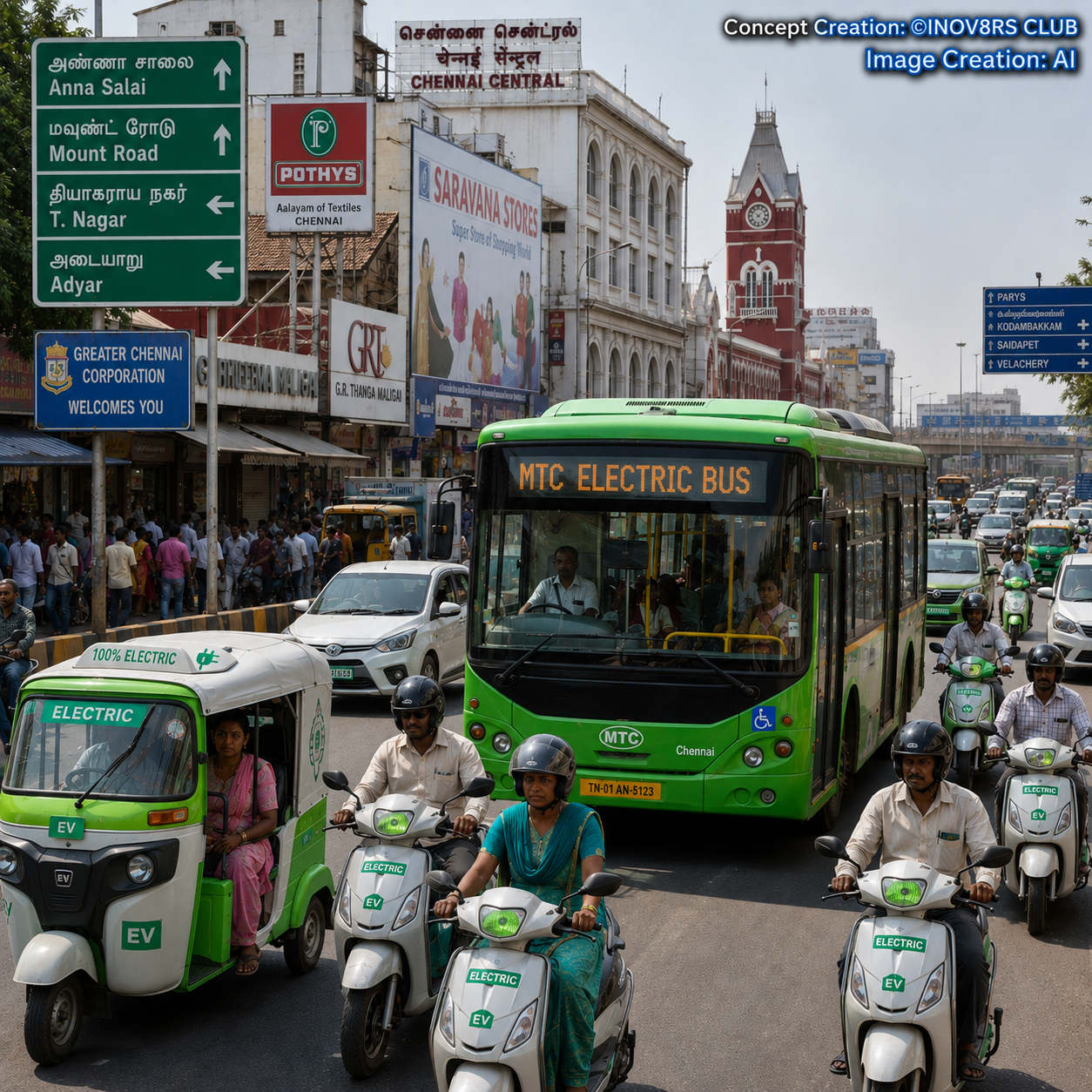
India’s electric vehicle (EV) market is gaining traction as rising fuel prices, regulatory changes, and expanding model offerings encourage more consumers to switch from conventional vehicles.
Electric car sales rose 25% in the year ending March 2026, with EVs surpassing 5% of India’s passenger vehicle market—a key milestone often viewed as the threshold for mainstream adoption. Growth has been strongest in vehicles priced above ₹1 million, where EVs now account for one in every ten sales.
The recent surge in crude oil prices, driven in part by tensions in the Middle East, has strengthened the economic case for EVs. India imports nearly 90% of its oil requirements, making it vulnerable to global energy price fluctuations. Higher fuel costs have prompted increased consumer interest in electric mobility.
Long-term policy support is also expected to drive adoption. Proposed CAFE-3 emission standards, scheduled to take effect from April 2027, would significantly tighten fuel-efficiency and carbon-emission requirements for automakers. Industry analysts believe the new regulations could accelerate EV penetration by making compliance targets more stringent and enforceable.
State governments are also pushing the transition. Delhi has proposed phasing out registrations of new internal combustion engine (ICE) two- and three-wheelers by 2027 as part of efforts to reduce air pollution.
Analysts expect further growth to be supported by a strong pipeline of new EV launches, particularly in the passenger vehicle and two-wheeler segments. Nomura forecasts EV penetration in India’s passenger vehicle market could reach 9% by 2030.
Despite the positive outlook, significant challenges remain. Charging infrastructure continues to lag demand, with public charging stations increasing to more than 10,000 nationwide but remaining concentrated in a few states. Consumer concerns over charging availability and driving range continue to slow adoption.
India also remains heavily dependent on imported battery materials and rare earth elements, exposing the sector to supply-chain and geopolitical risks. Industry experts note that developing a fully integrated domestic EV supply chain could take more than a decade.
While rising fuel prices and supportive policies are boosting demand, industry observers say the pace of India’s EV transition will ultimately depend on regulatory certainty, infrastructure expansion, and stronger domestic manufacturing capabilities.
This version is structured in a concise business-news style, focusing on market trends, drivers, forecasts, and risks rather than narrative storytelling.
Source: BBC News
