Tag Archives: Copper

#Indonesia bets on nickel levy to break its #China habit
A stylized image of Indonesia's map cut out from an Indonesian flag background, showcasing an industrial scene within the map outline.

Indonesia’s sweeping nickel downstreaming policy, launched in 2020, is entering a more consequential phase. Having successfully halted raw ore exports, the government is now preparing to deploy a more assertive instrument: an additional export levy on processed nickel products.

Energy and Mineral Resources Minister Bahlil Lahadalia, who also oversees investment, has made clear that the move is not merely about boosting state revenue but about navigating mounting global economic uncertainty and growing saturation in the base metals market.

The proposal is a direct response to the oversupply of lower-grade nickel products — such as nickel pig iron and ferronickel — which have flooded global markets from Indonesia’s rapidly expanding smelting sector.

This glut has depressed international nickel prices, eroding royalties and state income. From a mining economics perspective, the policy represents a large-scale market correction aimed at safeguarding the value of Indonesia’s strategic resources from being undervalued internationally.

The levy will target nickel derivatives produced through pyrometallurgical processes, particularly nickel pig iron and ferronickel, whose nickel content remains relatively low to mid-range.

Read more at: https://asiatimes.com/2026/04/indonesia-bets-on-nickel-levy-to-break-its-china-habit/

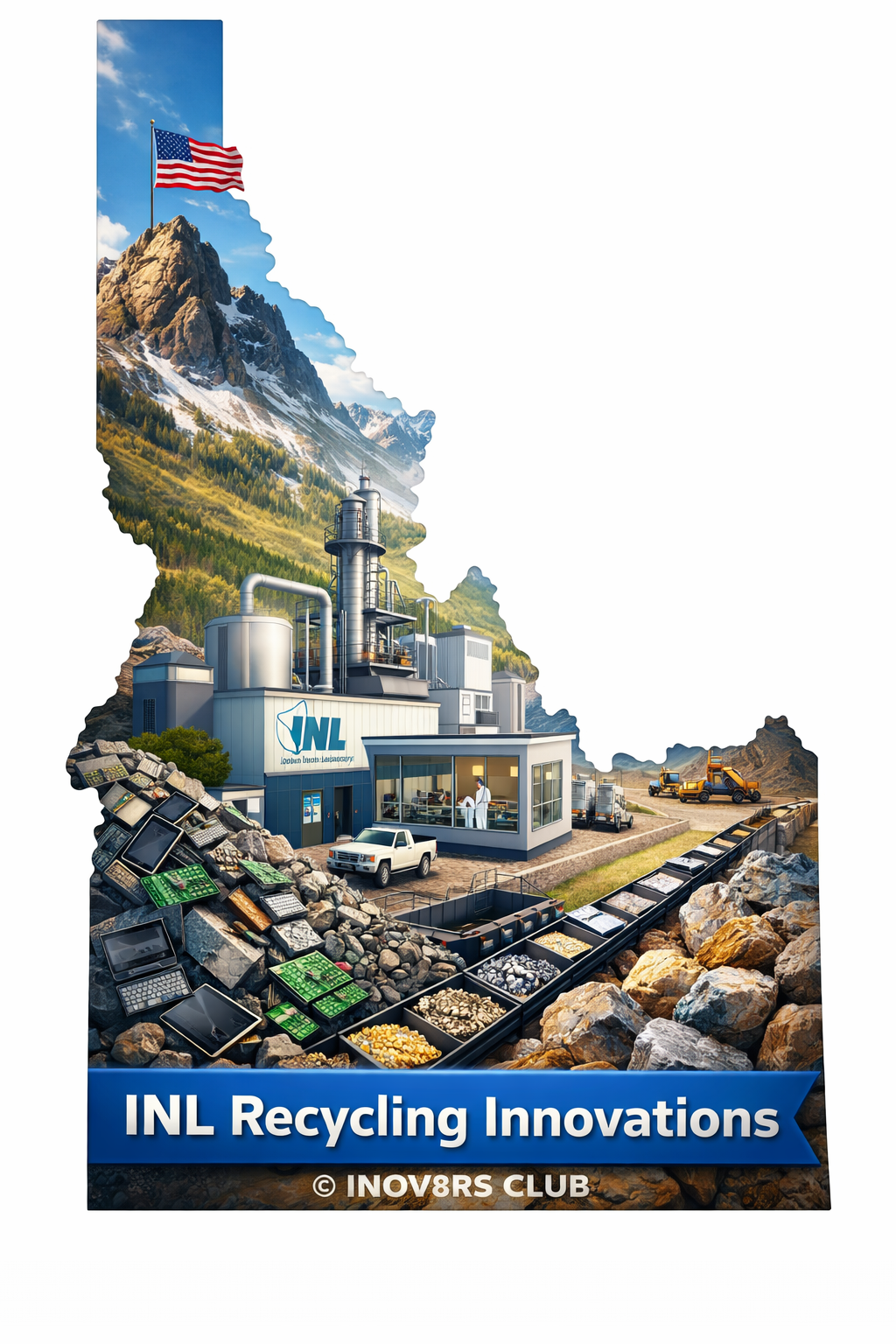
Idaho National Laboratory (#INL) – #CriticalMinerals Recycling Innovations

Illustration of the state of Idaho featuring an INL Recycling Innovations facility, surrounded by mountains and greenery, with recycling materials displayed.

The critical materials in discarded rocks, e-waste and other sources don’t degrade over time and can be recovered. However, the U.S. lacks the infrastructure to recycle them.

Recycling facilities could tap into these largely untouched sources, helping meet U.S. demand. These facilities could be built far more quickly than new mines, which can take over a decade due to permitting, costs and infrastructure needs.

“The U.S. doesn’t recycle well,” said Bob Fox, a senior manager at INL. “There’s a willingness to recover critical materials from recycled sources, but there’s no infrastructure or market for it. Right now, critical materials recycling doesn’t have the economic incentives to drive infrastructure development.”

INL is working to change that by making recycling more efficient, less energy-intensive and economically viable.

“Recycling represents a crucial pathway for the U.S. to obtain critical materials, including rare earth elements like dysprosium,” said Arindam Mukhopadhyay, a staff scientist at INL. “Even critical materials we mine domestically, such as lithium, cobalt, nickel and manganese, can be recovered through recycling.”

Read more at: https://inl.gov/feature-story/idaho-researchers-advance-critical-materials-recycling-technologies/

Datavault AI working with #American Strategic Minerals to tokenize refined metals, #CriticalMetals

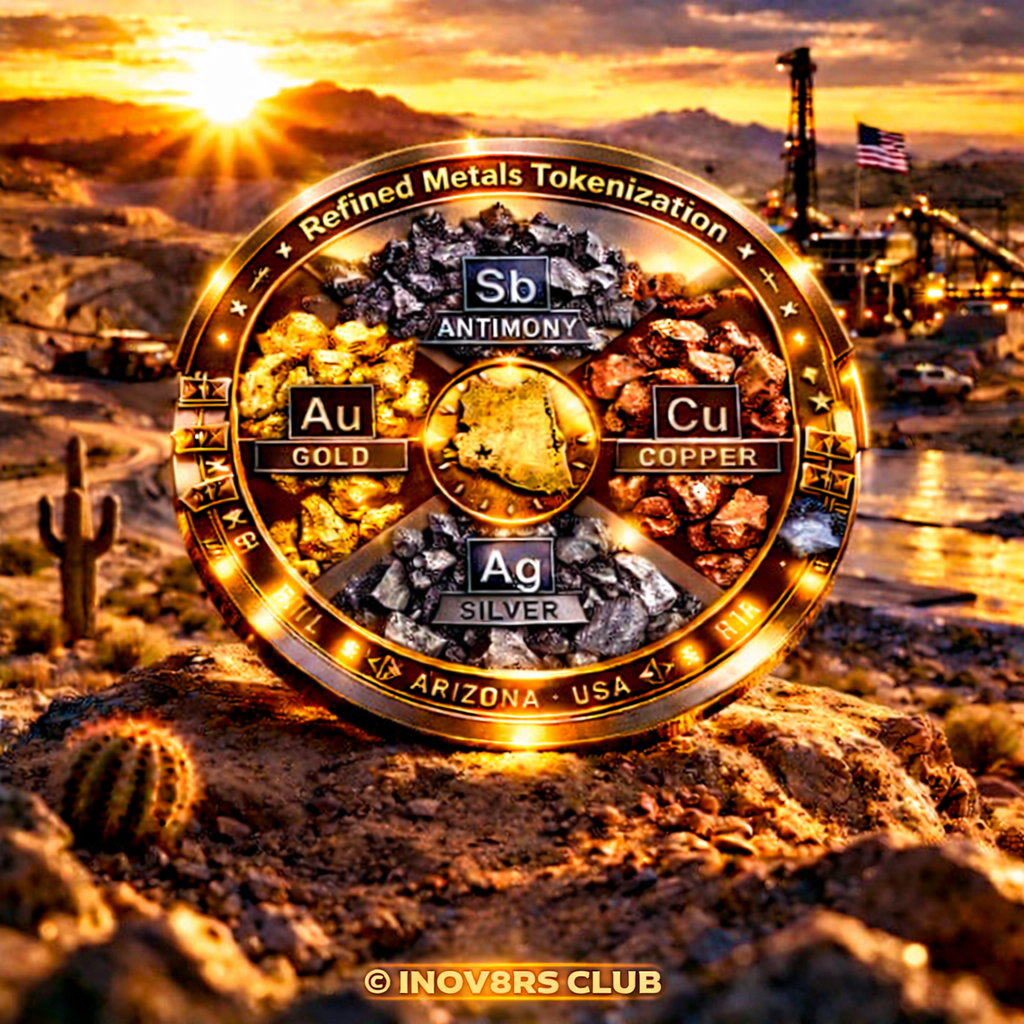
Datavault AI (DVLT) said Thursday it has partnered with American Strategic Minerals to develop and monetize one of the latter’s resource extraction projects in Arizona through a $78.2 million digital tokenization initiative.

Under the agreement, American Strategic will receive up to $68.8 million, while Datavault AI may earn up to a 20% equity stake in the company upon meeting performance milestones under the tokenization program.

Datavault AI said antimony will be the first element tokenized, followed by gold, copper and silver. The initial phase will cover about 5% of the project’s antimony resource through the ASMI Antimony 1 Token.

The partnership sets the stage for the launch of an International Elements Exchange, the company added.

Read more at: https://www.msn.com/en-us/money/companies/datavault-ai-working-with-american-strategic-minerals-to-tokenize-refined-metals-rare-earth-elements/ar-AA1ZrQ9y

#BASF launches biggest overseas project in #China with green-powered mega-site

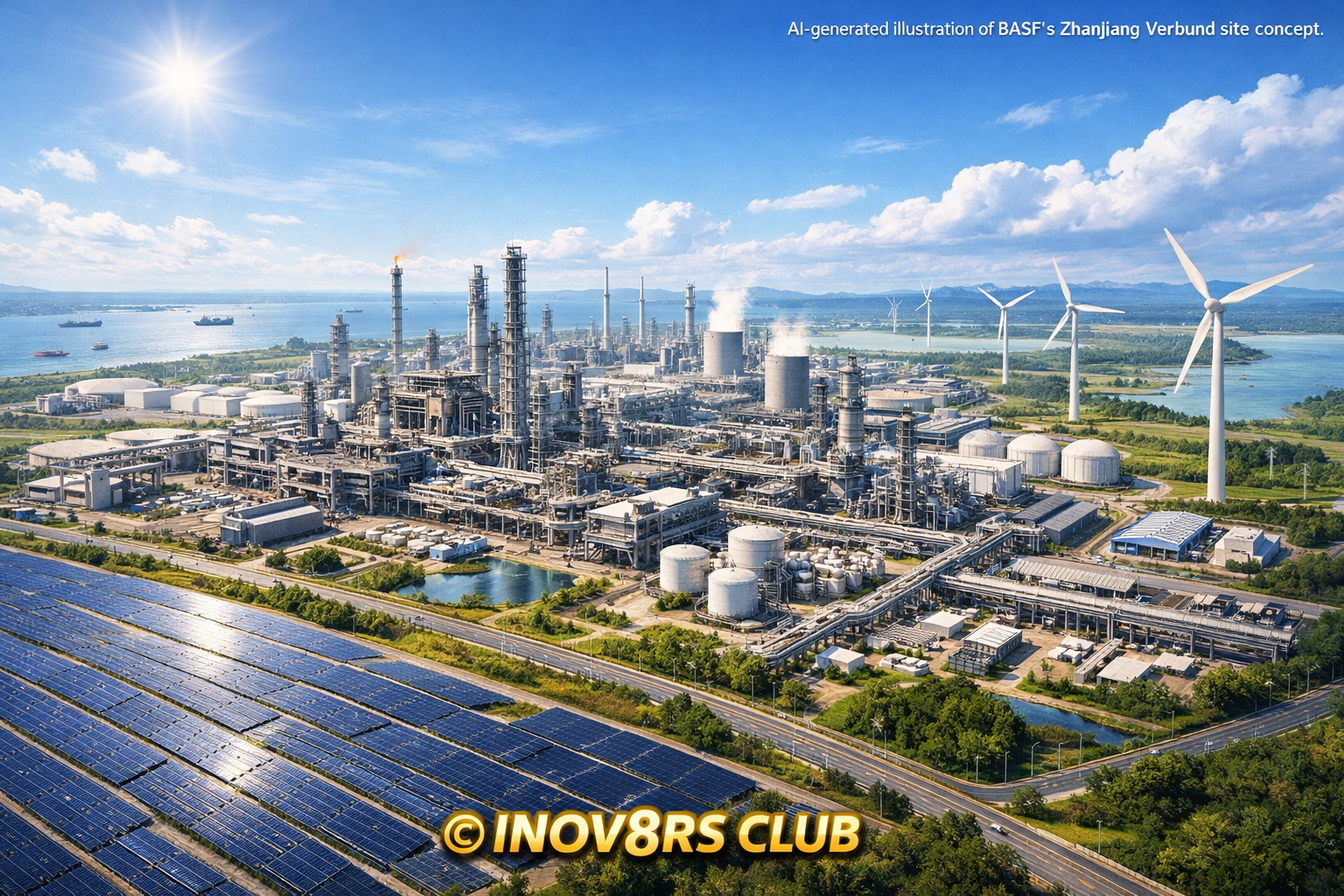
Aerial view of an industrial site featuring large oil refinery structures, solar panels in the foreground, and wind turbines in the background, under a bright blue sky.

German chemical giant opens US$10 billion Zhanjiang complex, its largest overseas investment, as Beijing courts foreign capital.

Germany’s chemical giant BASF has launched operations at its China production base – its largest overseas investment to date – with a total outlay of €8.7 billion (US$10 billion), and the country’s first wholly foreign-owned large-scale Verbund site.

The company on Thursday inaugurated the world-scale complex in Zhanjiang, Guangdong province, designed to run entirely on renewable electricity.

A Verbund site is an integrated chemical complex where plants, energy use and materials are interconnected to maximise efficiency and minimise waste.

The site has brought 18 plants and 32 production lines into operation, producing more than 70 types of products spanning basic chemicals, intermediates and specialty chemicals for industries including transport, consumer goods, electronics, home care and personal care.

Read more at: https://www.scmp.com/business/article/3348021/basf-launches-biggest-overseas-project-china-green-powered-mega-site

Energy Fuels Produces ‘Heavy’ #RareEarthMetal at #Utah Mill

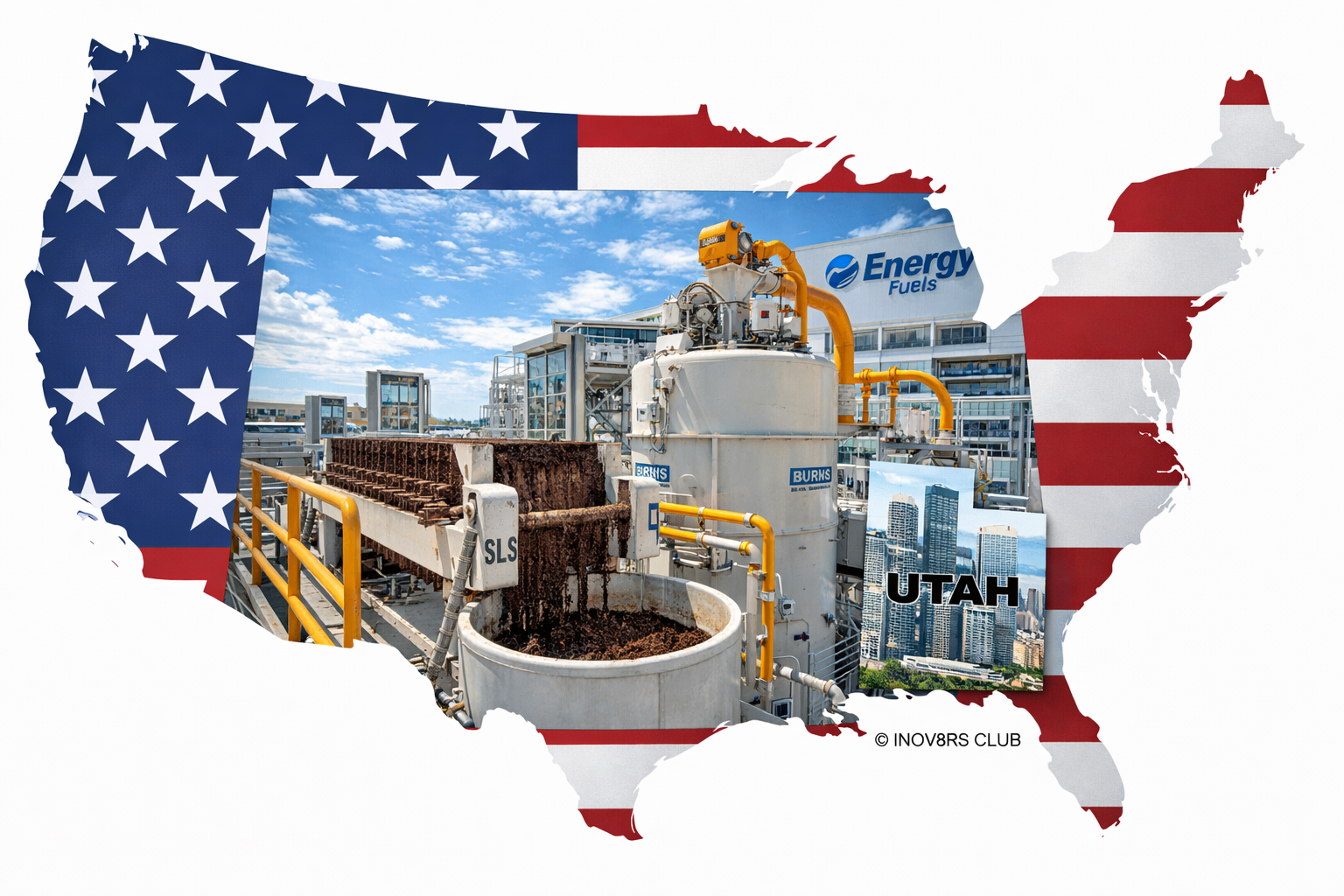
A stylized map of the United States filled with the American flag design, featuring an industrial processing facility in Utah with large equipment and a sign that reads 'Energy Fuels'.

Energy Fuels Inc. produced a so-called heavy rare earth element for the first time at its plant in Utah, advancing efforts to build a domestic supply of critical minerals used in electronics and defense technology.

The US company said on 24th March 2026 that it successfully recovered its first kilogram of terbium oxide at the White Mesa Mill as part of a pilot project to scale production at the facility, which predominantly processes uranium.

Terbium — a heavy rare earth element — is essential to building magnets that support consumer electronics, cars and military-grade weaponry. Heavy rare earths are less abundant and typically more valuable than “light” elements such as neodymium-praseodymium. Mining companies like Energy Fuels are pushing to scale production of these metals through facilities in the US as part of the United States effort to create a supply chain that circumvents China.

Read more at: https://www.bloomberg.com/news/articles/2026-03-25/energy-fuels-produces-key-heavy-rare-earth-metal-at-utah-mill

Two Months of #RareEarths Left – #Reuters / #SCMP

“You can’t fight a twenty-first-century war with twentieth-century supply chains”. “Modern weapons rely on materials that are difficult to source, difficult to process, and difficult to replace once inventories begin to tighten.”

Reports from the South China Morning Post and Reuters indicate Washington could have only weeks or months of certain rare-earth inventories available for defense manufacturing if supply disruptions deepen.

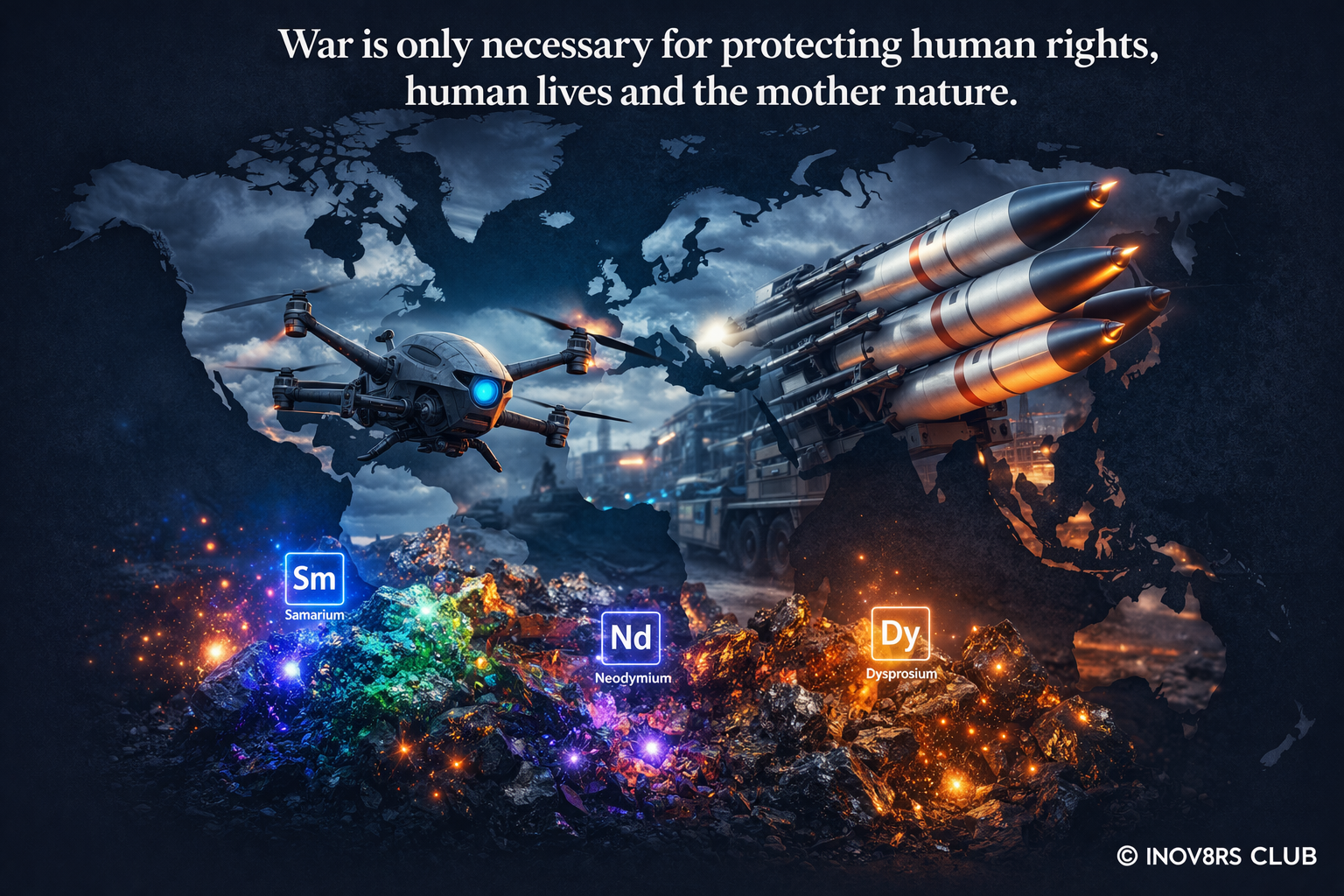
Rare earth elements are embedded throughout modern military systems—from missile guidance and drone propulsion to radar systems and fighter aircraft electronics.

Note: War is only necessary for protecting human rights, human lives and the nature.

Read more at: https://finance.yahoo.com/sectors/energy/articles/chinese-publication-claims-u-two-014600091.html

Ardea – Western #Australian #Nickel project grabs #Japanese – #US attention

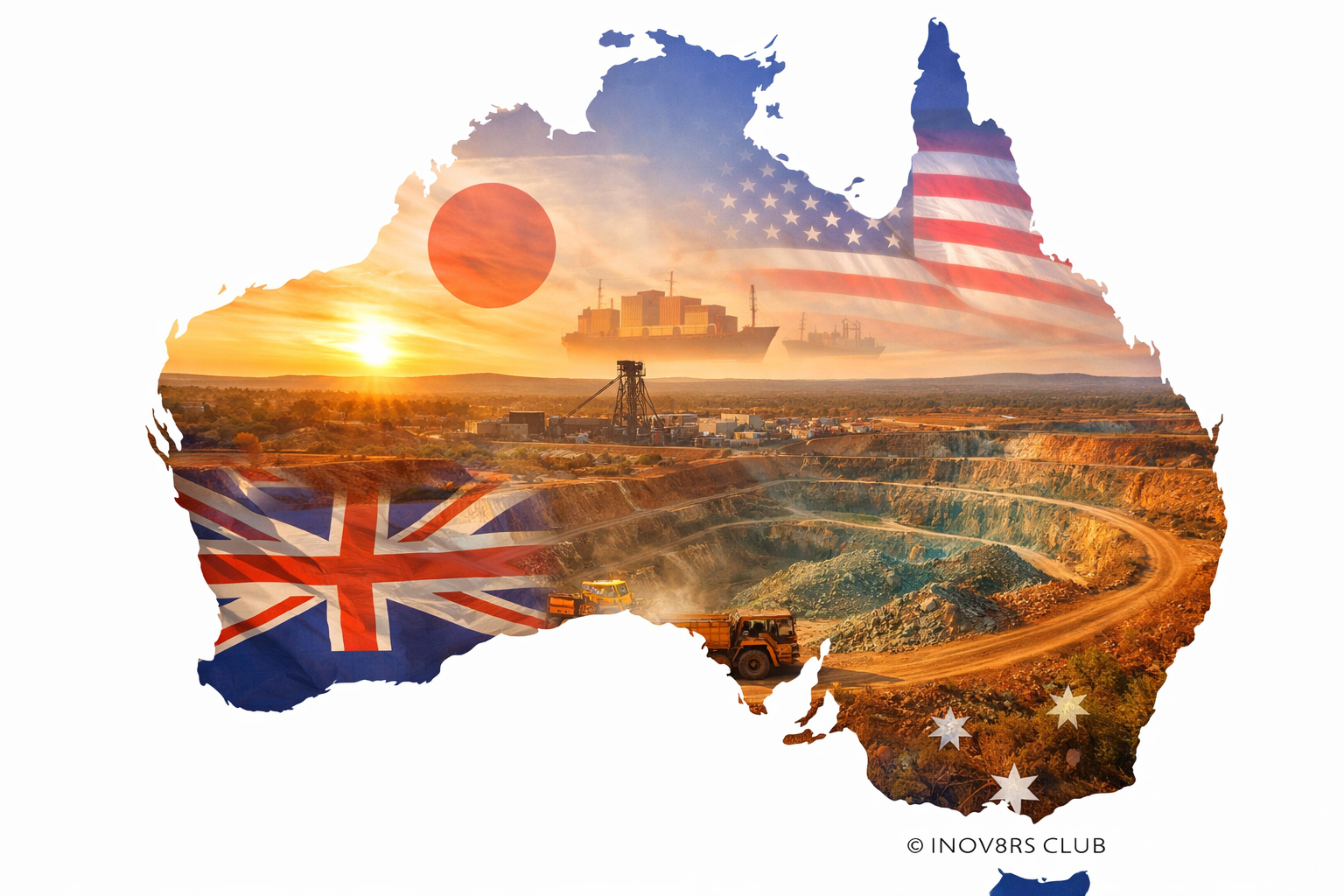
A silhouette of Australia filled with an industrial landscape featuring mining activity, overlaid with the flags of the United Kingdom, United States, and Japan, symbolizing international relationships.

Ardea Resources’ Kalgoorlie nickel project (KNP) has received a shout-out in the Japan-US Critical Minerals Joint Fact Sheet, a call-to-action to shore up critical mineral supply chains between the two powerful nations and other Western markets.

The company’s nickel-cobalt project, about 70 kilometres north of the city of Kalgoorlie-Boulder in Western Australia, comprises its bulk-scale KNP – Goongarrie Hub and hosts a mammoth 854 million tonnes grading 0.71 per cent nickel and 0.045 per cent cobalt for a whopping 6.1 million tonnes of contained nickel and 386,000 tonnes of cobalt.Ardea Resources’ Kalgoorlie nickel project (KNP) has received a shout-out in the Japan-US Critical Minerals Joint Fact Sheet, a call-to-action to shore up critical mineral supply chains between the two powerful nations and other Western markets.

The company’s nickel-cobalt project, about 70 kilometres north of the city of Kalgoorlie-Boulder in Western Australia, comprises its bulk-scale KNP – Goongarrie Hub and hosts a mammoth 854 million tonnes grading 0.71 per cent nickel and 0.045 per cent cobalt for a whopping 6.1 million tonnes of contained nickel and 386,000 tonnes of cobalt.

Read more at: https://www.smh.com.au/business/companies/ardea-wa-nickel-project-grabs-japanese-us-attention-20260323-p5rupb.html

#China spent $120B to lock down #CriticalMinerals overseas

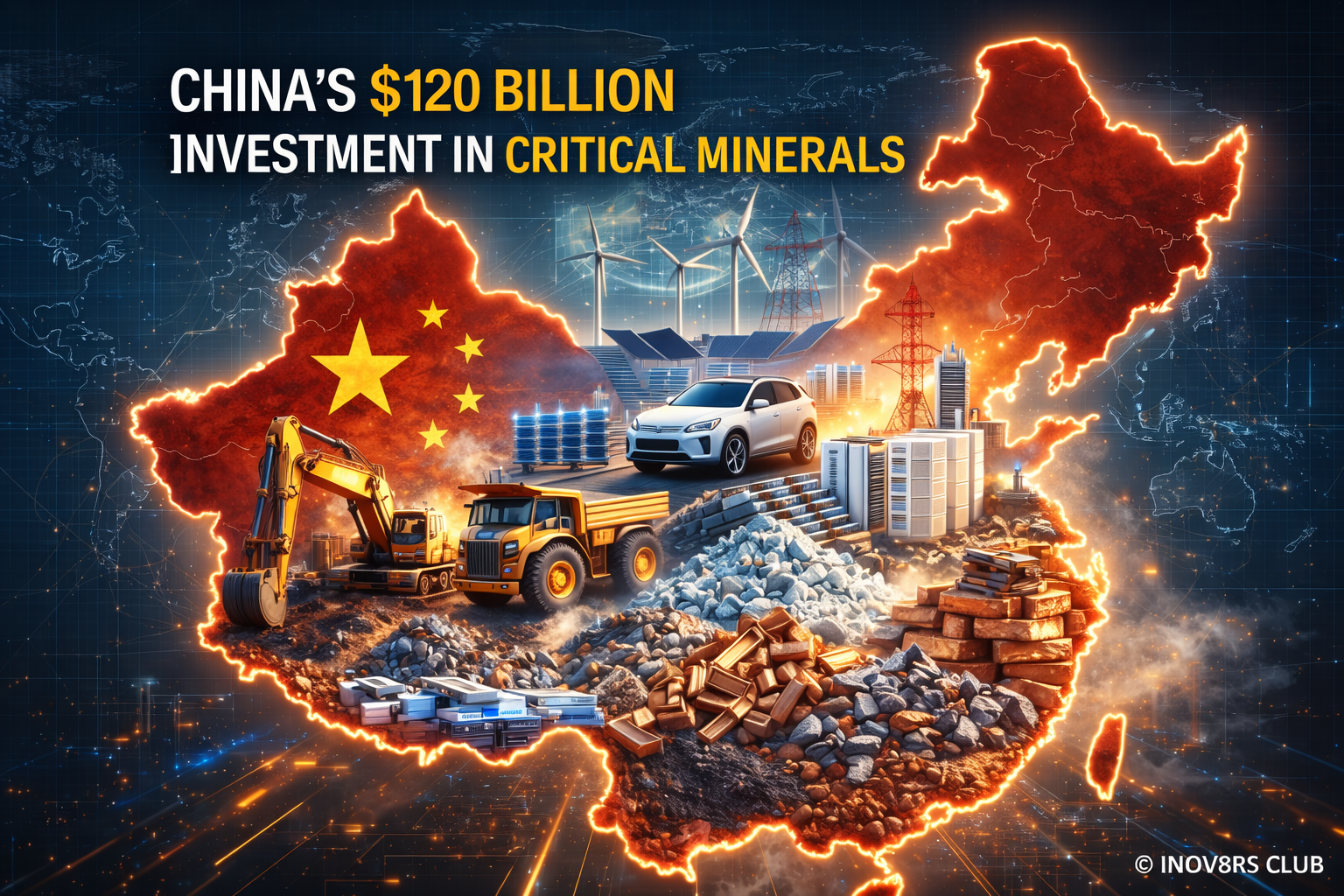
Graphic illustrating China's $120 billion investment in critical minerals, featuring a map of China, construction machinery, renewable energy elements, and various mineral resources.

China has invested more than $120 billion in overseas mining and upstream processing since 2023, accelerating a state-backed push to secure the raw materials underpinning the global energy transition, says Australian think tank Climate Energy Finance (CEF).

A study published last week reveals that China’s spending targeted a wide range of commodities — including lithium, copper, nickel, rare earths and bauxite — that are essential for electric vehicles, renewable power and industrial decarbonization.

Vertical integration at scale

The CEF research also finds that China’s outbound investment in mining is only one piece of a much larger industrial strategy.

Since early 2023, Chinese firms have also deployed more than $220 billion into downstream sectors such as battery manufacturing, electric vehicles, grids, solar and wind infrastructure, creating what researchers describe as a vertically integrated global cleantech expansion.

Read more at: https://www.mining.com/china-spent-120b-to-lock-down-critical-minerals-dominance-report/

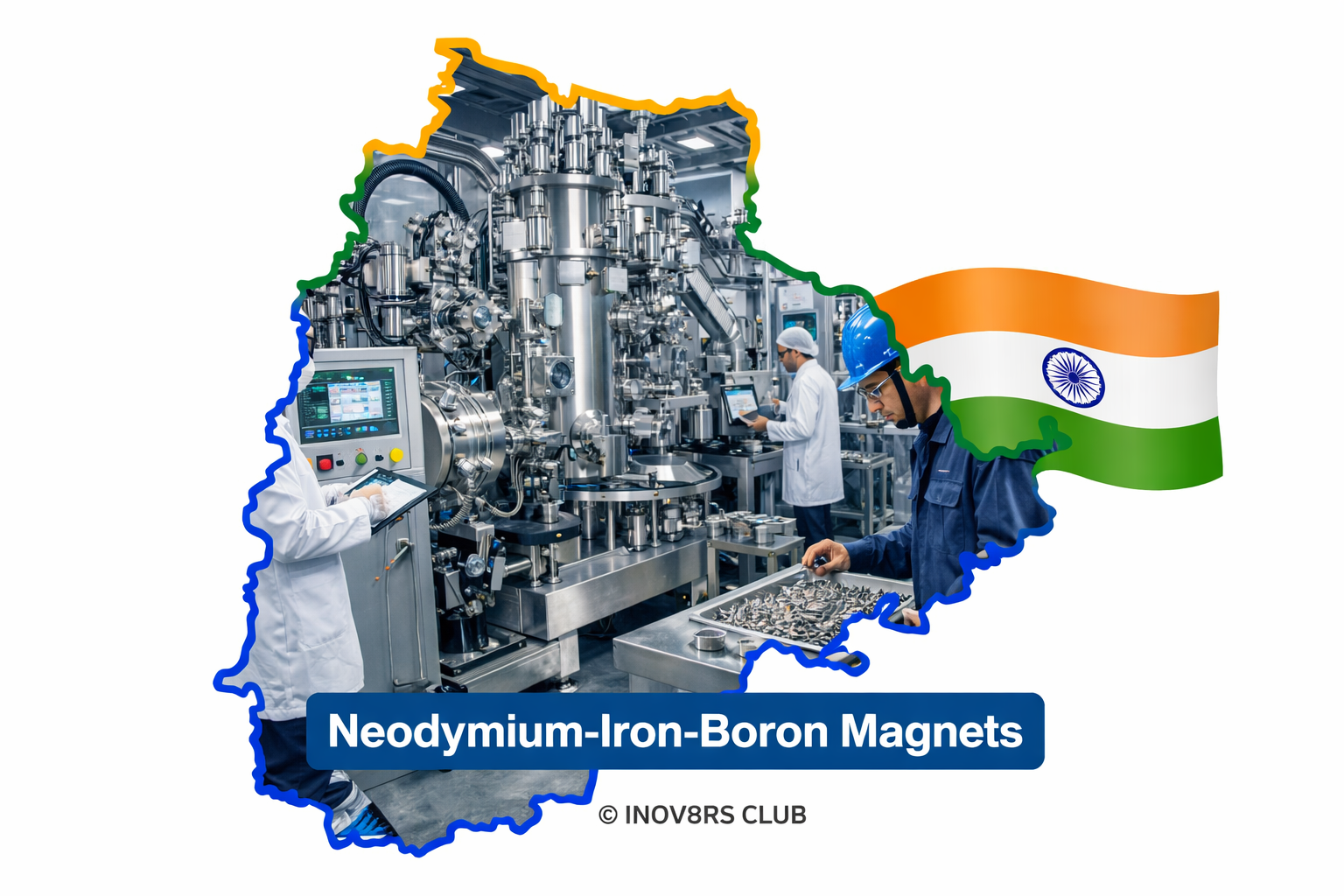
#Nd-Fe-B #RareEarth Permanent Magnets Development- Pilot Plant Established at #ARCI #Hyderabad

Why #Philippines struggles to tap its US$1 trillion #CriticalMineral wealth

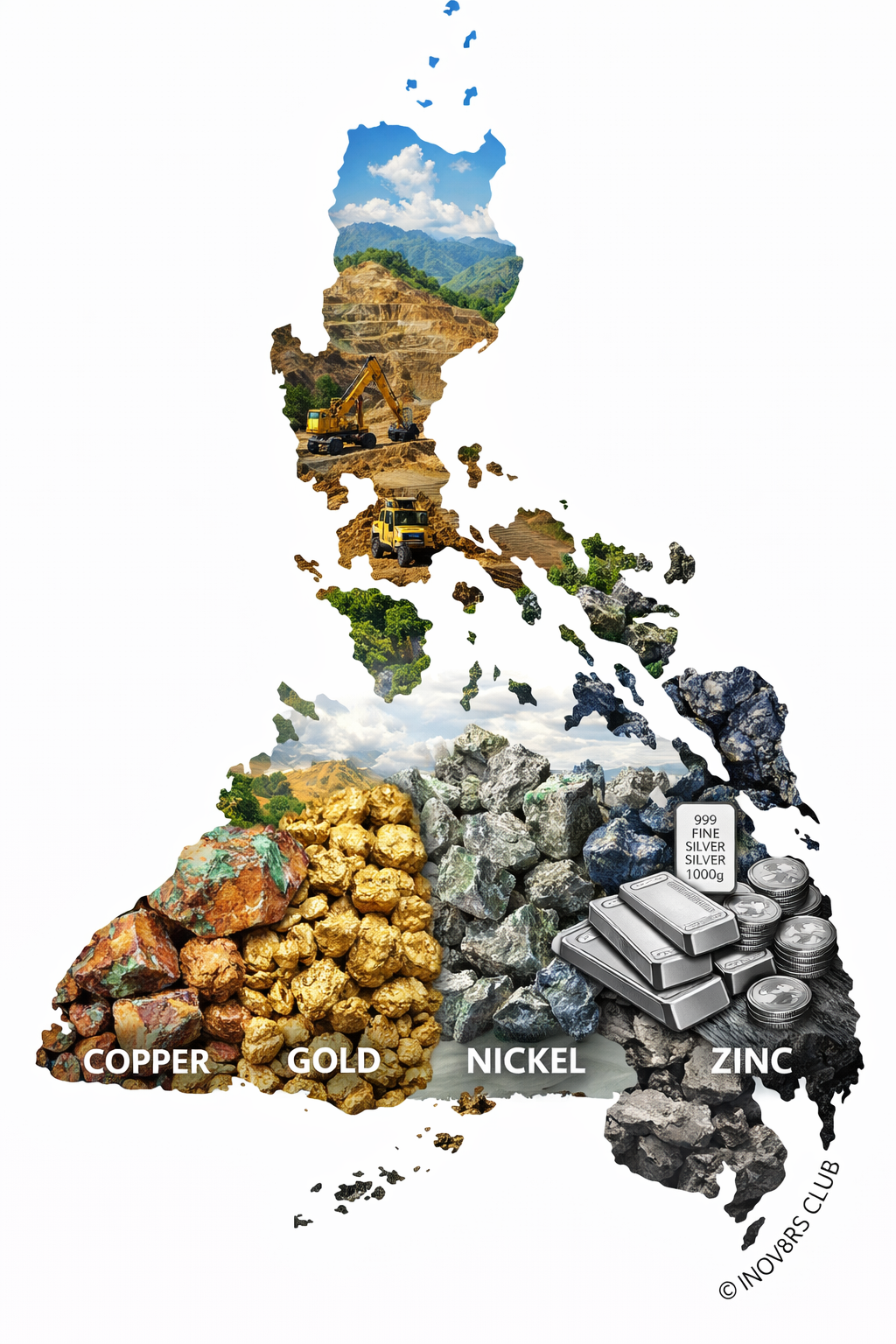
A map of the Philippines showcasing various minerals. The areas are labeled with 'Copper,' 'Gold,' 'Nickel,' and 'Zinc,' surrounded by images of mining activities and mineral deposits.

Without a proper road map to grow its mining sector, the country remains a ‘second-tier mineral economy’.

As the Philippines forms partnerships with several countries to harness its potentially huge wealth of critical minerals, analysts have called for a coherent road map to develop the country’s mining industry to globally competitive standards.

President Ferdinand Marcos Jnr’s administration has signed multiple agreements over the past months, including a memorandum of understanding with the United States to cooperate on diversifying global critical mineral supply chains.

The accord, signed during an inaugural ministerial meeting on critical minerals hosted by Washington last month, is expected to shift Manila’s mining sector from raw mineral ore exports to domestic processing.

Talks on a critical minerals deal between the Philippines and Canada are also in progress. Earlier this month, a delegation from the Philippines took part in the Prospectors and Developers Association of Canada Convention in Toronto, a key gathering for the global mining industry.

Philippines could tap huge global opportunities to grow its industry, as it possessed the world’s fifth-largest mineral reserves, with an estimated US$1 trillion in untapped supplies of copper, gold, nickel, zinc and silver.

Only about 5 per cent of these reserves have been explored, and mining contracts cover just 3 per cent of mineralized areas. At the same time, global demand for these resources, driven by climate change mitigation, clean energy and the broader energy transition, is expected to remain strong for the foreseeable future.

Read more at: https://www.scmp.com/week-asia/economics/article/3347369/why-philippines-struggles-tap-its-us1-trillion-mineral-wealth

« Older Entries