Category Archives: Metals

#Forbes: Batteries Are Already Powering The Future: Here’s Why

One of the great myths of the energy transition is the battery problem. There’s widespread concern about their cost, as well as the question of what we are going to do with ones that have to be replaced, which are often reported as potentially dangerous to the environment.

In 2020 we managed to drop below the strategic $100/kWh threshold, down 13% from 2019, and that’s still counting on the technology of the future being lithium-ion, which doesn’t take into account the potential of other highly promising technologies.

A decade ago, many people believed that the problem with electric vehicles was the need to replace their batteries; but we now know from experience that batteries not only last much longer than we thought , but are set to far exceed the average life of the vehicles they power: there are now batteries that last up to sixteen years or two million kilometers.

The second part of the great battery myth pertains to recycling.

Batteries, whether for powering electric vehicles, heating our homes, or storing the energy produced at renewable power plants, are fundamental to understanding the future of energy.

The sooner we begin to demolish unfounded myths about batteries and understand the factors that determine their evolution in the future and the leadership required for its adoption, the better for everyone.

Read more at: https://www.forbes.com/sites/enriquedans/2021/02/20/batteries-are-already-powering-the-future-hereswhy/?sh=362e67983e63

#Northvolt to invest $200 mln in new #Polish battery plant

(Reuters) – Swedish lithium-ion battery maker Northvolt said on Friday it will invest $200 million in a new energy storage systems factory in Gdansk, Poland.

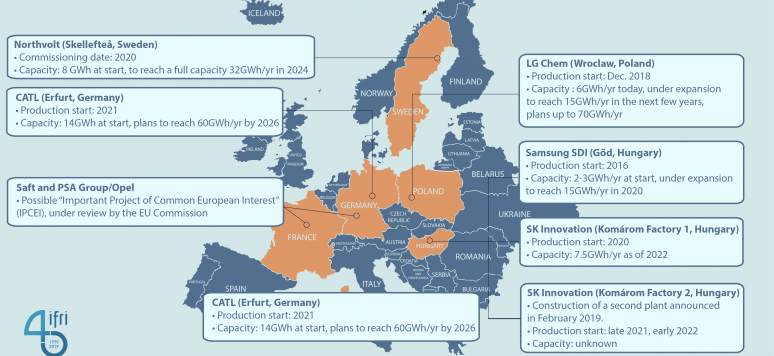
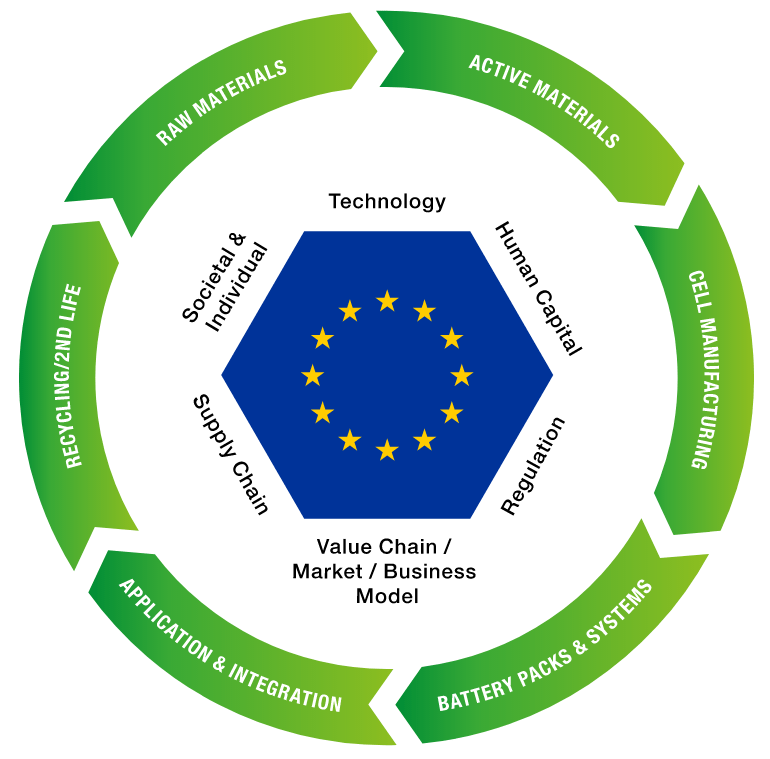
China currently hosts roughly 80% of the world’s lithium-ion cell production, but with demand expected to soar over the next decade Europe’s capacity is set to expand quickly.

“Securing battery cell manufacturing capacity in Europe is key for its industrial future, but what is equally critical is the industrial capacity for integrating cells into real-world solutions,” Northvolt CEO Peter Carlsson said in a statement.

“It is this that the new factory will deliver — sophisticated, sustainable energy storage systems to support the transformation of Europe’s electricity grid and its industry.”

Read more at: https://www.reuters.com/article/northvolt-poland/update-1-northvolt-to-invest-200-mln-in-new-polish-battery-plant-idUKL8N2KP35Y

Mining boom could herald commodity ‘supercycle’

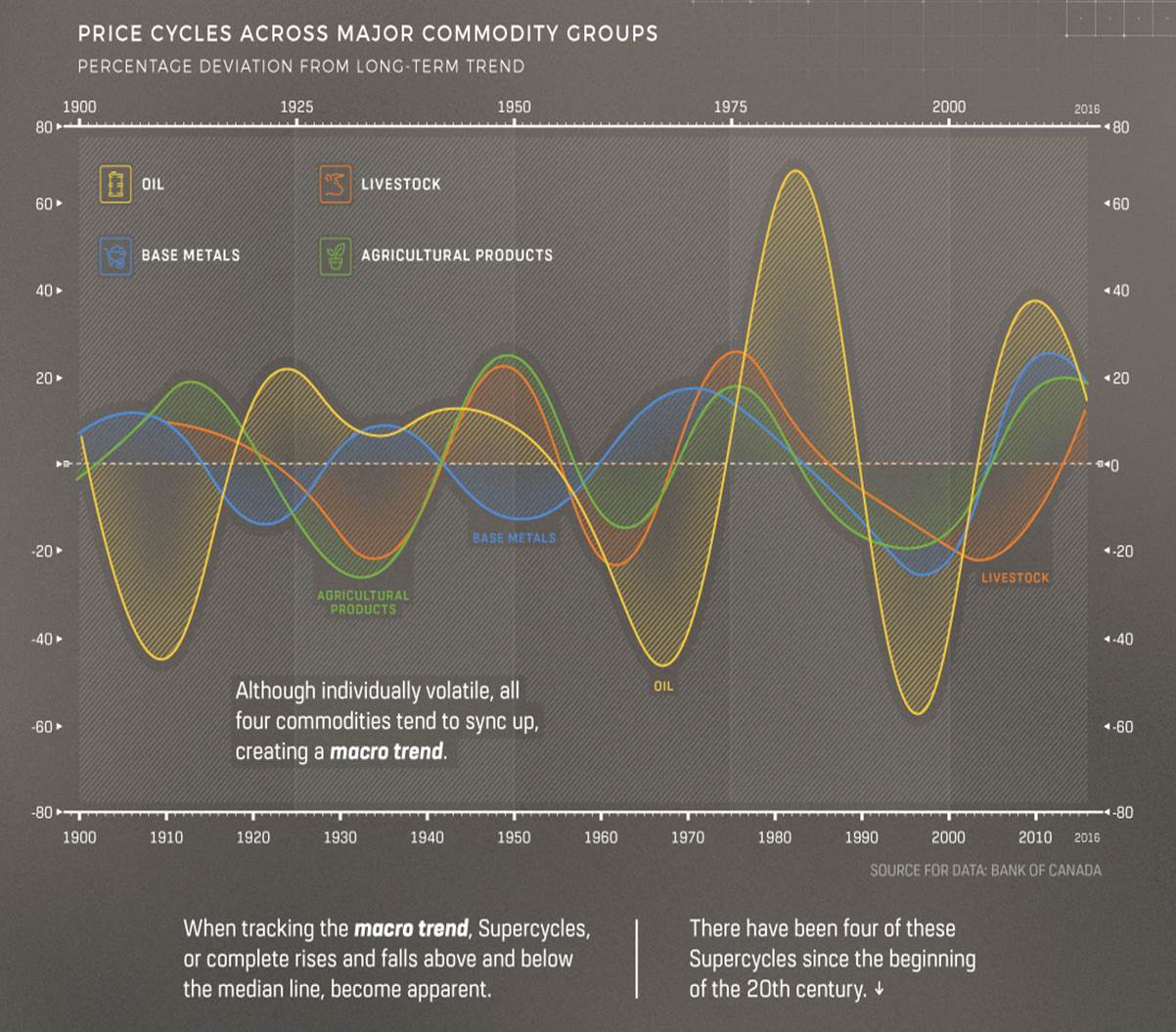
It is known as a “supercycle” – and there have only been four in the past century. The term defines periods when commodity prices enjoy an extended boom, and this week’s multibillion-dollar windfalls for mining company investors suggest a fifth supercycle is on its way.

Read more at: https://www.theguardian.com/business/2021/feb/17/mining-boom-commodity-supercycle-copper-nickel-price-investments-clean-energy

#Yahoo News: #Biden-ordered review of supply chain to include electric car batteries, medical supplies and rare earth metals

WASHINGTON — President Biden will sign an executive order that will require the government to produce unclassified assessments of key industries and their supply chains, including semiconductor manufacturing, electric car batteries, medical supplies, and rare earth elements such as the ones used in iPhones and military systems.

Read more at: https://news.yahoo.com/biden-ordered-review-of-supply-chain-to-include-electric-car-batteries-medical-supplies-and-rare-earth-metals-152610673.html

#ORNL researchers demonstrate new class of #Nickel-#cobalt superalloys for Additive Manufacturing

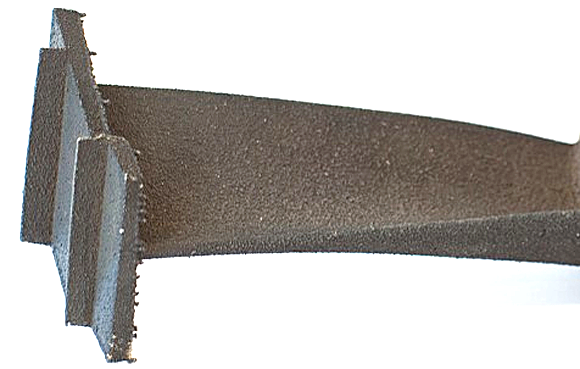
Researchers at Oak Ridge National Laboratory (ORNL), Oak Ridge, Tennessee, USA, are reported to have demonstrated that a new class of superalloys, made of cobalt and nickel, remains crack-free and defect-resistant in extreme heat, making them conducive for use in metal Additive Manufacturing applications.

Read more at: https://www.metal-am.com/ornl-researchers-demonstrate-new-class-of-superalloys-for-additive-manufacturing/

How #Canada can capitalize on #US auto sector’s pivot to electric

China is already working hard to become the “source of a new way” to power vehicles, U.S. President Joe Biden warned last week.

“We just have to step up.”

Canada has both the resources and expertise to do the same, says Mr. Volpe (President of the Automotive Parts Manufacturers’ Association), whose ambitious Project Arrow concept – a homegrown zero-emissions vehicle named for the 1950s-era Avro interceptor jet – is designed to showcase exactly that.

“We’re going to prove to the market, we’re going to prove to the [manufacturers] around the planet, that everything that goes into your zero-emission vehicle can be made or sourced here in Canada,” he says.

Read more at: https://www.theglobeandmail.com/business/article-how-canada-can-capitalize-on-us-auto-sectors-abrupt-pivot-to-electric/

#Tesla to Submit Investment Proposal as #Indonesia’s Battery Plan Is Taking Shape

Jakarta. Indonesia has expected Tesla, the world’s largest carmaker company by market capitalization, to submit a proposal about the company’s plan to establish a car battery plant and energy storage system in the archipelago today, as the country’s plan to dominate the electric car battery market begins to take shape. 

Tesla’s proposal could be one in a series of ore processing and battery investments that the government hope would make up the bulk of the country’s $64 billion investment target for this year. 

Read more at: https://jakartaglobe.id/business/tesla-to-submit-investment-proposal-as-indonesias-battery-plan-is-taking-shape

#Volkswagen Begins Battery Recycling Pilot Project In Salzgitter

https://www.volkswagen-newsroom.com/en/stories/from-old-to-new-battery-recycling-in-salzgitter-6782

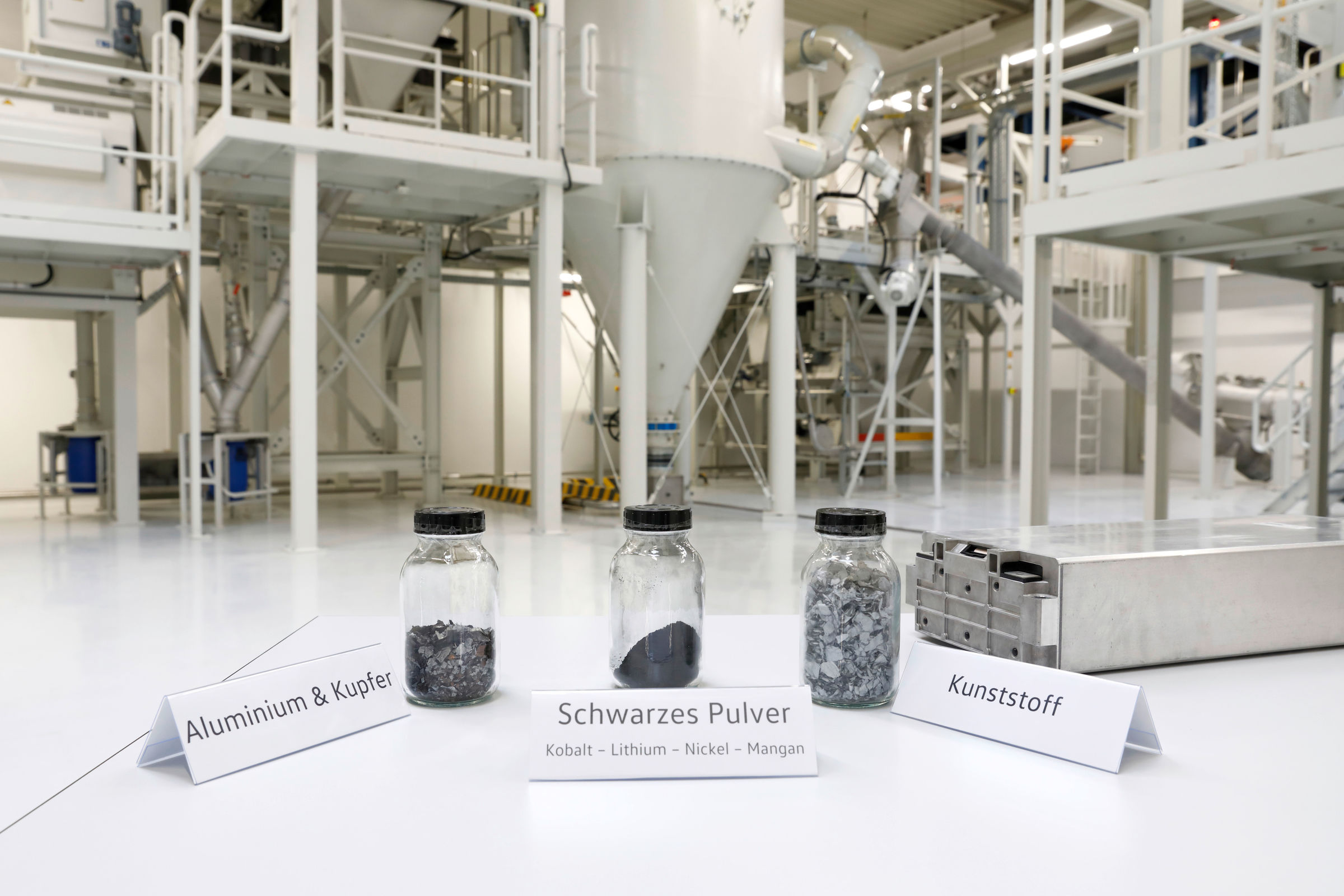
Part of the electric car revolution is making batteries — lots of batteries. But in the not too distant future, another part of the revolution will be dismantling those same batteries and reclaiming the materials inside to be used again in the manufacture of new batteries. What sorts of things can be reclaimed from old batteries? Aluminum, copper, lithium, manganese, nickel, and cobalt, along with various plastics.

Read more at: https://cleantechnica.com/2021/02/01/volkswagen-battery-recycling-pilot-project-salzgitter/

#FORBES: WE CAN CAPTURE CARBON, BUT WHAT THEN? TURNING A PROFIT WILL BE KEY

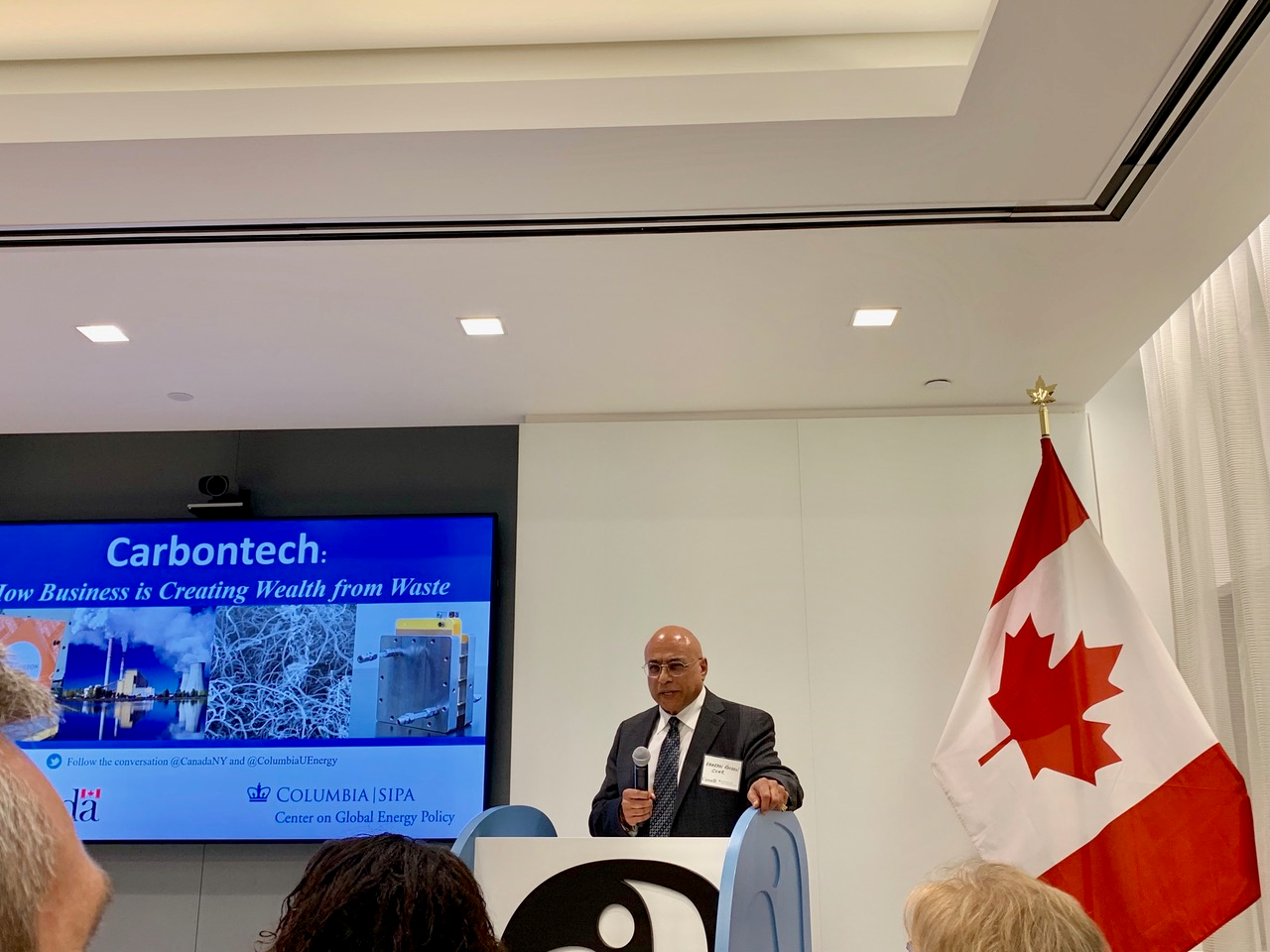
CO2 to Graphite and Graphene – A Build Back Better approach

It’s not new: the technology has been commercially available since the 1970s and is currently used to help industrial plants reduce the amount of carbon and other greenhouse gases they spew into the air, mostly through powerful scrubbers at the site. 

A more practical challenge is that carbon emissions are still predominantly seen as an expense for companies. One of the hurdles for the blossoming of carbon capture technology will be coming up with creative ways to convert it into a valuable product. 

Read more at: https://www.forbes.com/sites/uhenergy/2021/01/27/we-can-capture-carbon-but-what-then-turning-a-profit-will-be-key/?sh=1d3027ab3d90

#Forbes: #China’s Rare Earths ‘Slump’ A Sign Of Domestic ‘Hoarding’ For EV Batteries

China loves to be in everybody’s strategic supply chains. Rare earths is one of them. These are the minerals, often dug out of mines in Africa, that China controls.

China’s rare earth exports fell to 35,448 tons last year from 46,330 tonnes in 2019, customs data showed on Thursday. The 2020 exports were the lowest since 2015,  according to Reuters.

Last month, China’s export control law (ECL) went live. It’s their latest effort to control the export of strategic commodities — including minerals used for EV batteries — and to increase dependency on China by ‘hoarding’ supply.

Read more at: https://www.forbes.com/sites/kenrapoza/2021/01/17/chinas-rare-earths-slump-a-sign-of-domestic-hoarding-for-ev-batteries-and-more/?sh=3df293ad79a8

Around 73% of rare earth elements are used in mature industries, including glass, ceramics and metallurgy. The remaining 27% are used in the production of neomagnets, which are essential components in electric vehicles (EVs).

Using the force produced when two magnets with opposing poles repel each other, electric motors use permanent magnets and coils that have been magnetised by electricity to propel an axle. The force (torque) of the spinning axle is used to power the wheels of an electric car.

Induction-based electrical motors, which do not use permanent magnets, can also power EVs. However, they are an unpopular solution compared to their magnetic cousins. Tesla, one of the only holdouts in induction motors, has used a magnetic engine in its new Model 3.

Read more at: https://www.edisongroup.com/edison-explains/electric-vehicles-and-rare-earths/

« Older Entries Recent Entries »