Category Archives: Metals

#GM signs #Cobalt deal with #Glencore as rush for battery metals intensifies

April 12 (Reuters) – General Motors Co  said on Tuesday it would buy cobalt from miner Glencore PLC  to use in its electric vehicles (EVs), as automakers around the world scramble to stock up on the critical raw material amid supply chain disruptions.

Global automakers, ranging from EV leader Tesla Inc to Volkswagen  are splurging billions of dollars on developing vehicles for a market that could be worth $5 trillion over the next decade.

However, metals to make batteries that last longer hard to come by due to supply chain disruptions, which has led to automakers rushing to secure supplies of lithium, nickel and cobalt.

Read more at: GM signs cobalt deal with Glencore as rush for battery metals intensifies | Reuters

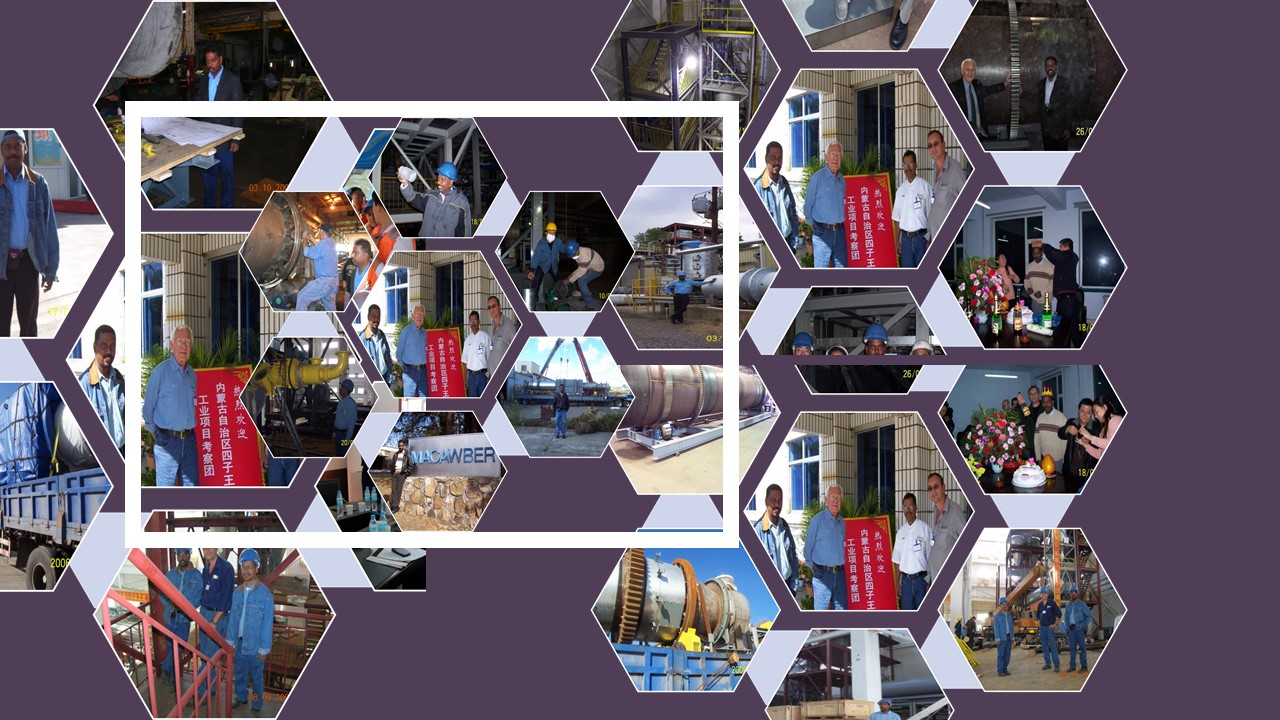
15 Years Ago….. Commissioning a Nickel Carbonyl Refinery.

Commissioning a Nickel Carbonyl Refinery

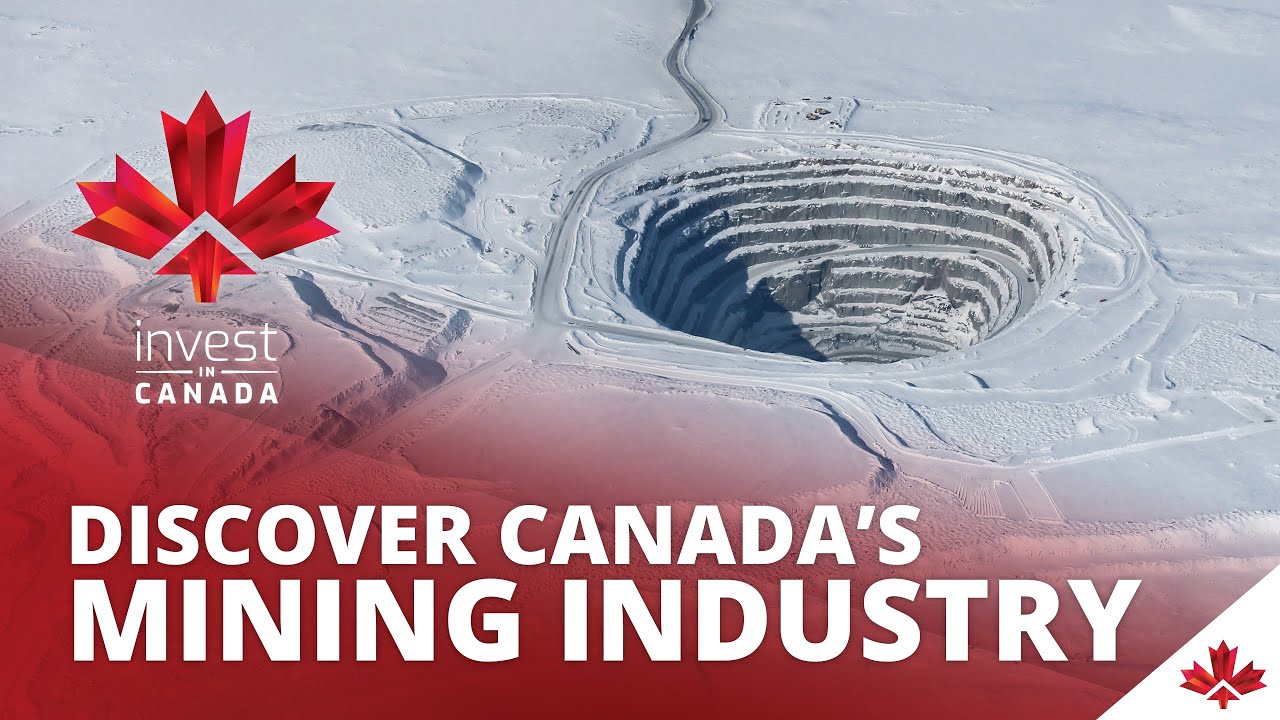
How #Trudeau proposes to make #Canada a key supplier of critical minerals

Chrystia Freeland’s second budget as finance minister proposes billions of dollars in new spending to incentivize more mining of critical minerals through investments in infrastructure, tax credits for exploration, and funding to help attract the downstream industries that turn those minerals into products such as electric vehicles and battery cells.

Critical minerals include not only the lithium, nickel and cobalt used in batteries, but a far wider array of elements, from copper to manganese. The budget proposes allocating at least $3.8 billion in cash, plus more in tax credits, between now and 2030, to develop a supply chain of critical minerals. Whether that investment sounds like too much money, or far too little, depends on how you view the threats posed by climate change and the urgency of the energy transition.

Much of the strategy outlined in the budget hinges on the idea that creating a supply chain will help attract industrial investment to Canada, and thus boost future economic growth. To that end, Prime Minister Justin Trudeau’s government would spend up to $1.5 billion by 2030 on the infrastructure needed to get those materials from the ground to factories.

Read more at: https://financialpost.com/commodities/energy/how-trudeau-proposes-to-make-canada-a-key-supplier-of-critical-minerals

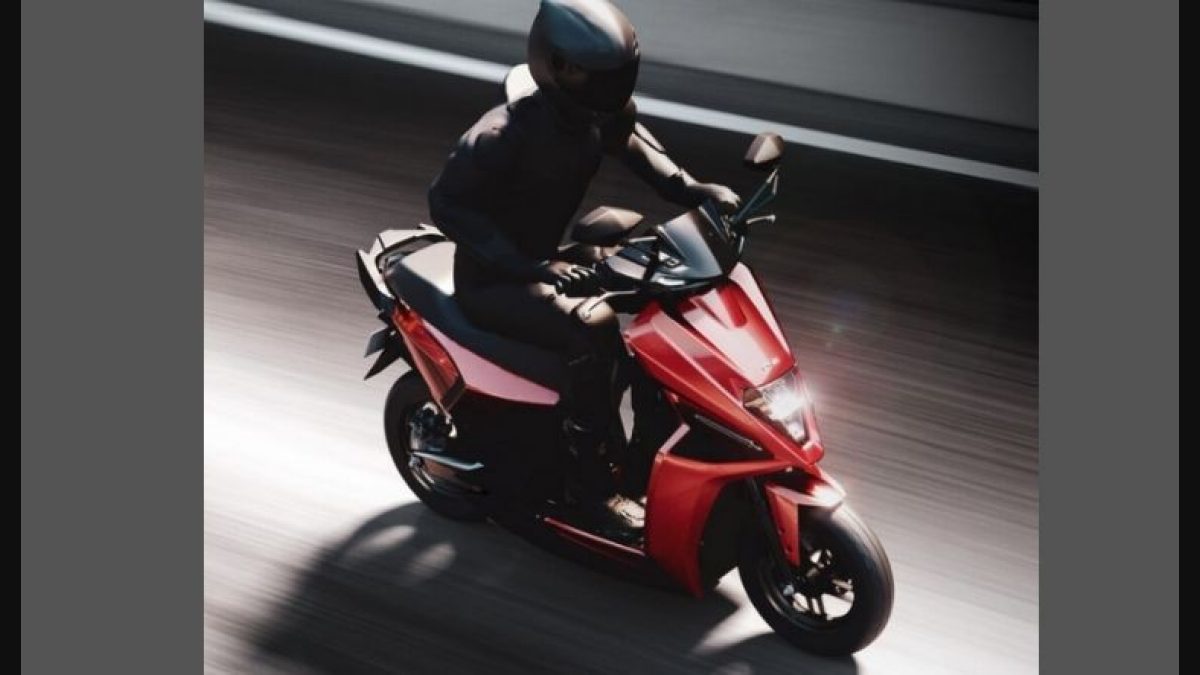
India: Simple Energy invests $150M on Lithium ion cell factory

Chennai: Electric vehicle startup Simple Energy, which is setting up its EV factory at Hosur (Tamil Nadu), will invest $150 million (around Rs 1136.5 crore) on a lithium ion cell manufacturing unit. The company has tied up with US-based battery company C4V for technology and knowhow.

Simple Energy’s flagship product, Simple One, will be produced at Phase I of the company’s manufacturing unit located at Hosur which has an annual production capacity of up to one million units. The factory will be operational in the coming weeks. The company has also commissioned a second plant in Dharmapuri, Tamil Nadu, which will have a capacity of 12.5 million units annually as part of its Phase 2 ramp up.

Read more at: https://timesofindia.indiatimes.com/business/india-business/simple-energy-invests-150-mn-on-lithium-ion-cell-factory/articleshow/90693184.cms

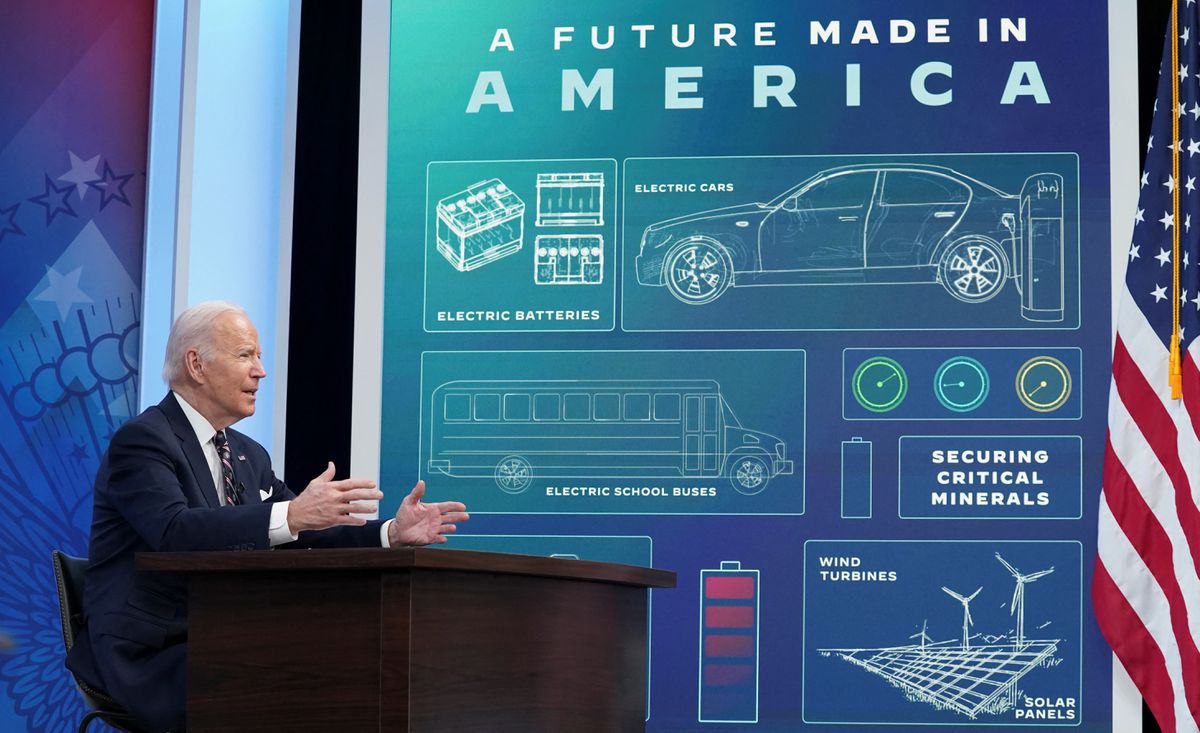
President #Biden Poised to Use Cold-War Powers to Boost Battery Metals

President Joe Biden plans Thursday to invoke Cold War powers to encourage domestic production of critical minerals for electric-vehicle and other types of batteries, according to people familiar with the matter.

Adding minerals like lithium, nickel, graphite, cobalt and manganese to the list could help mining companies access $750 million under the Defense Production Act’s Title III fund, the people said. The move also could aid recycling of battery materials, one of the people said.

Read more at: https://www.bloomberg.com/news/articles/2022-03-30/biden-poised-to-invoke-cold-war-powers-to-boost-battery-metals

#India to invest in exploring #lithium, #cobalt mines in #Australia.

NEW DELHI — India has committed to jointly invest $6 million with the Australian government to explore lithium and cobalt mines in Australia over the next six months, in a bid to firm up supplies of key minerals needed to further its electric vehicle plans.

India’s KABIL, a mining joint venture between state-run firms National Aluminium Co, Hindustan Copper Ltd and Mineral Exploration Corp Ltd, has signed a preliminary agreement with Australia’s Critical Minerals Facilitation Office (CMFO), the Indian government said on Tuesday.

The move comes at a time when India is offering $2.4 billion of incentives for companies to build battery cells locally for electric vehicles. Lithium, whose price has surged in the recent days, is a key raw material used to make electric vehicle batteries.

Read more at: https://financialpost.com/pmn/business-pmn/india-to-invest-in-exploring-lithium-cobalt-mines-in-australia

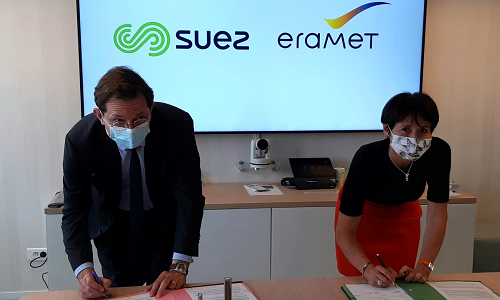
#Eramet, #Suez eye #EV battery recycling in #France by 2024

PARIS, March 16 (Reuters) – French mining group Eramet (ERMT.PA) said on Wednesday it could develop jointly with Suez a recycling facility in France for electric vehicle batteries by 2024.

Eramet, a major producer of nickel and manganese for the steel sector, has focused increasingly on materials for electric vehicles.

In addition to large mine deposits in Indonesia and Argentina, it sees recycling as contributing to its potential to cover 20% of the European Union’s nickel requirements, 25% of the bloc’s lithium needs and 12% of its cobalt demand for EV batteries by 2030.

The joint project would produce black mass, a metal concentrate containing nickel, cobalt, manganese, lithium and graphite that is suitable for hydrometallurgical refining.

Read more at: https://www.reuters.com/technology/eramet-suez-eye-ev-battery-recycling-france-by-2024-2022-03-16/

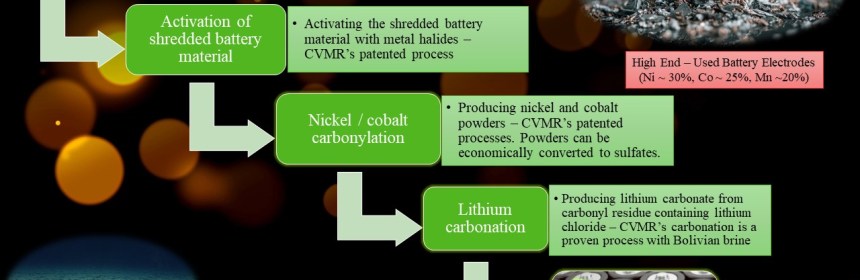
Sourcing Green EV Materials – Sea Nodules to Used Battery Electrodes

#TheWhiteHouse: FACT SHEET- Securing a Made in America Supply Chain for Critical Minerals

Biden-Harris Administration, Companies Announce Major Investments to Expand Domestic Critical Minerals Supply Chain, Breaking Dependence on China and Boosting Sustainable Practices.

Critical minerals provide the building blocks for many modern technologies and are essential to our national security and economic prosperity. These minerals—such as rare earth elements, lithium, and cobalt—can be found in products from computers to household appliances. They are also key inputs in clean energy technologies like batteries, electric vehicles, wind turbines, and solar panels. As the world transitions to a clean energy economy, global demand for these critical minerals is set to skyrocket by 400-600 percent over the next several decades, and, for minerals such as lithium and graphite used in electric vehicle (EV) batteries, demand will increase by even more—as much as 4,000 percent. The U.S. is increasingly dependent on foreign sources for many of the processed versions of these minerals. Globally, China controls most of the market for processing and refining for cobalt, lithium, rare earths and other critical minerals.

Today, President Biden will meet with Administration and state partners, industry executives, community representatives, labor leaders, and California Governor Gavin Newsom to announce major investments in domestic production of key critical minerals and materials, ensuring these resources benefit the community, and creating good-paying, union jobs in sustainable production.

Read more at: FACT SHEET: Securing a Made in America Supply Chain for Critical Minerals | The White House

Climate change: A giant donut-shaped machine just proved a near-limitless clean power source is possible

There’s no silver bullet to the climate crisis, but nuclear fusion may be the closest thing to it. In the quest for a near-limitless, zero-carbon source of reliable power, scientists have generated fusion energy before, but they have struggled for decades to sustain it for very long.

JET’s goal was to prove that nuclear fusion could be generated and sustained, ITER’s aim is to produce a tenfold return on energy, or 500 MW of fusion power from 50 MW of fuel put in.

The core of the JET tokamak machine in Culham, England.© Christopher Roux (CEA-IRFM)/EUROfusion The core of the JET tokamak machine in Culham, England.

Read more at: Climate change: A giant donut-shaped machine just proved a near-limitless clean power source is possible (msn.com)

« Older Entries Recent Entries »