“You can’t fight a twenty-first-century war with twentieth-century supply chains”. “Modern weapons rely on materials that are difficult to source, difficult to process, and difficult to replace once inventories begin to tighten.”
Reports from the South China Morning Post and Reuters indicate Washington could have only weeks or months of certain rare-earth inventories available for defense manufacturing if supply disruptions deepen.
Rare earth elements are embedded throughout modern military systems—from missile guidance and drone propulsion to radar systems and fighter aircraft electronics.
Note: War is only necessary for protecting human rights, human lives and the nature.
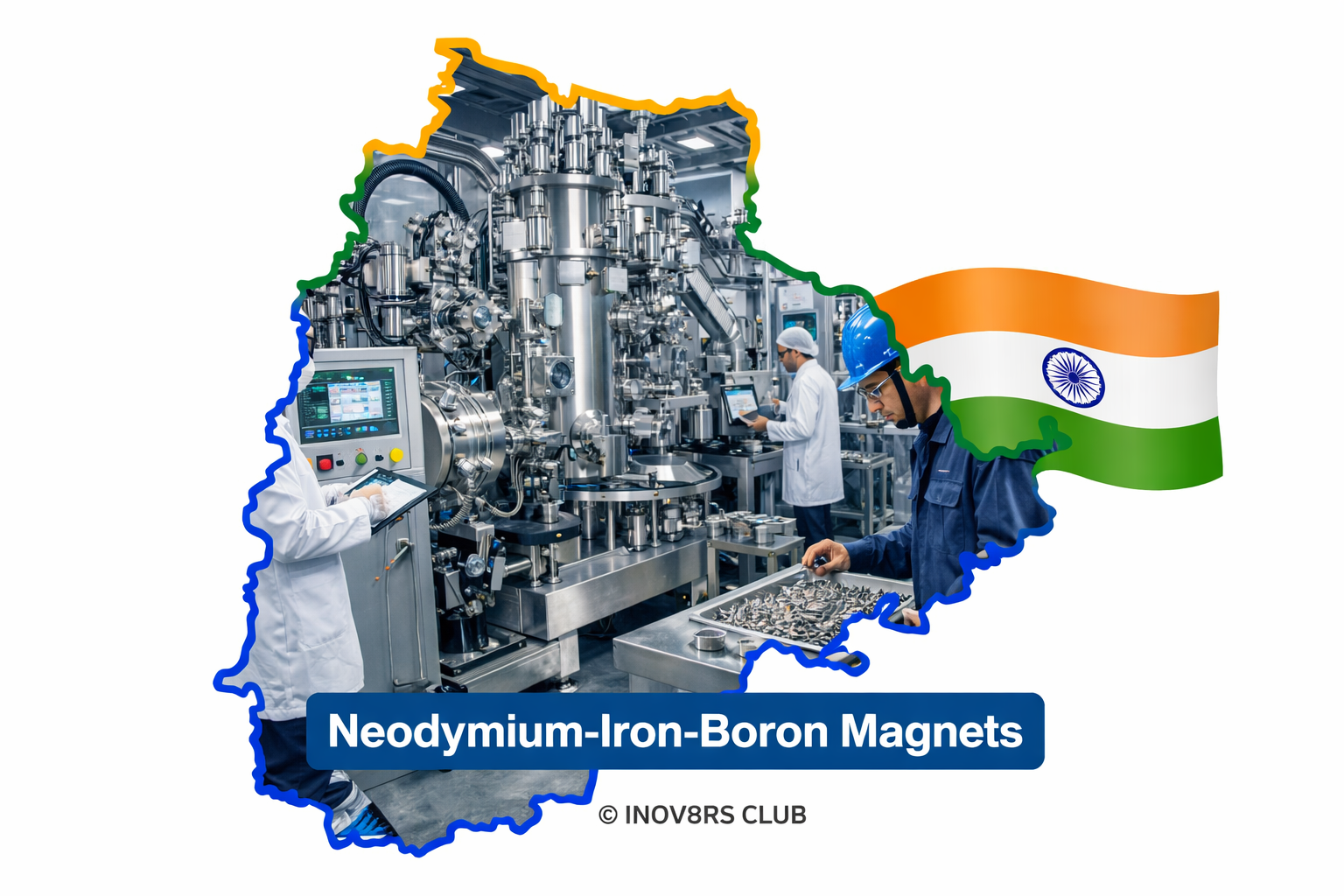
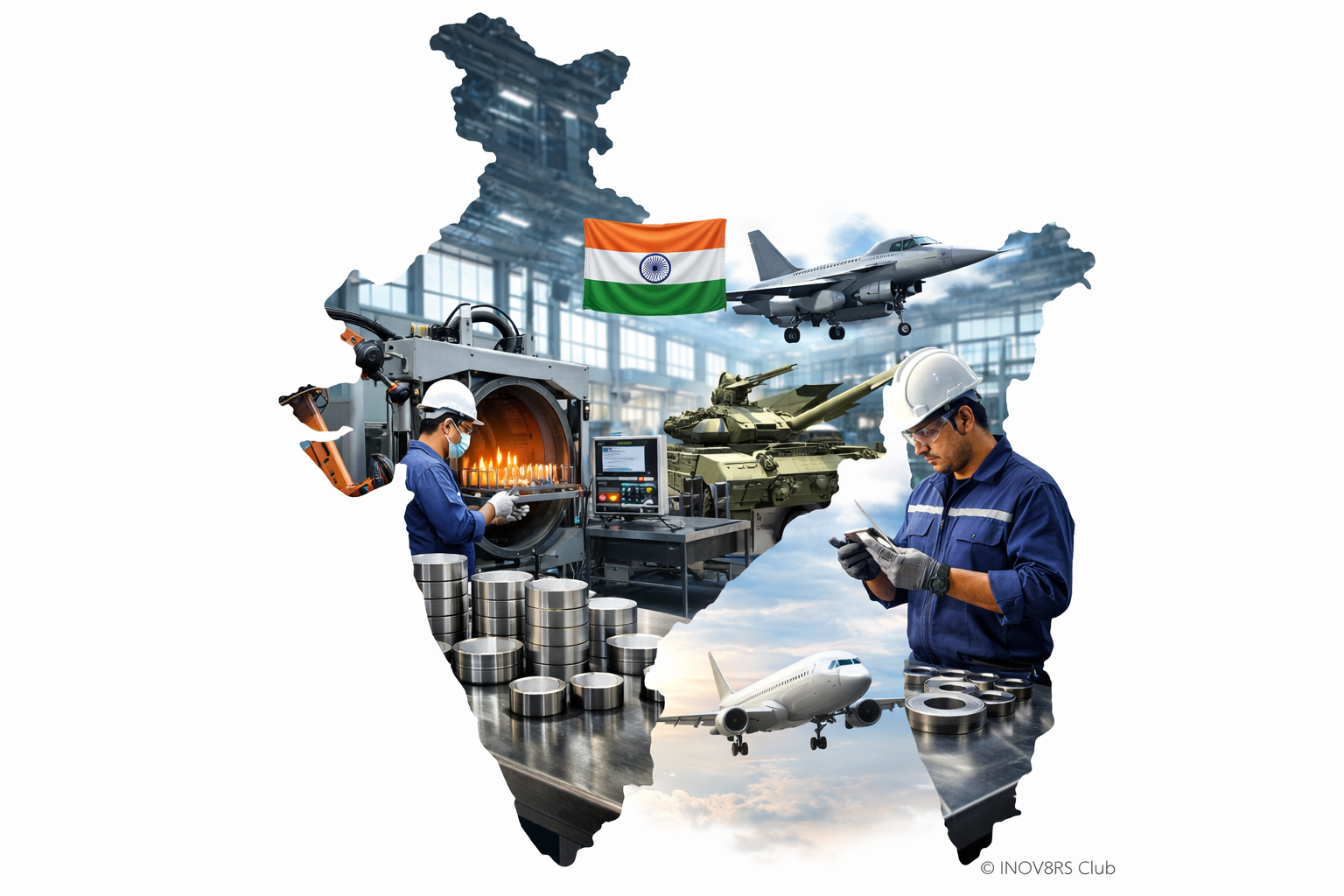
The Ministry of Heavy Industries is likely to call for bids under the Scheme to Promote Manufacturing of Sintered Rare Earth Permanent Magnets (REPM) Friday. Officials said the Rs 7,280 crore scheme will promote domestic manufacturing of 6,000 million tonnes per annum (MTPA) of magnets, strengthening supply chains for the automotive, defense, and aerospace sectors.
Long before trade wars and tariffs, China secured manufacturing dominance by controlling rare earths – a reality so consequential that the United States and its allies are now pledging more than $8.5 billion just to claw back some control of the supply chain. Companies mentioned in this release include: REalloys Inc., MP Materials Corp.,Sociedad Química y Minera de Chile, Amprius Technologies, Inc., Critical Metals Corp., Nouveau Monde Graphite Inc.
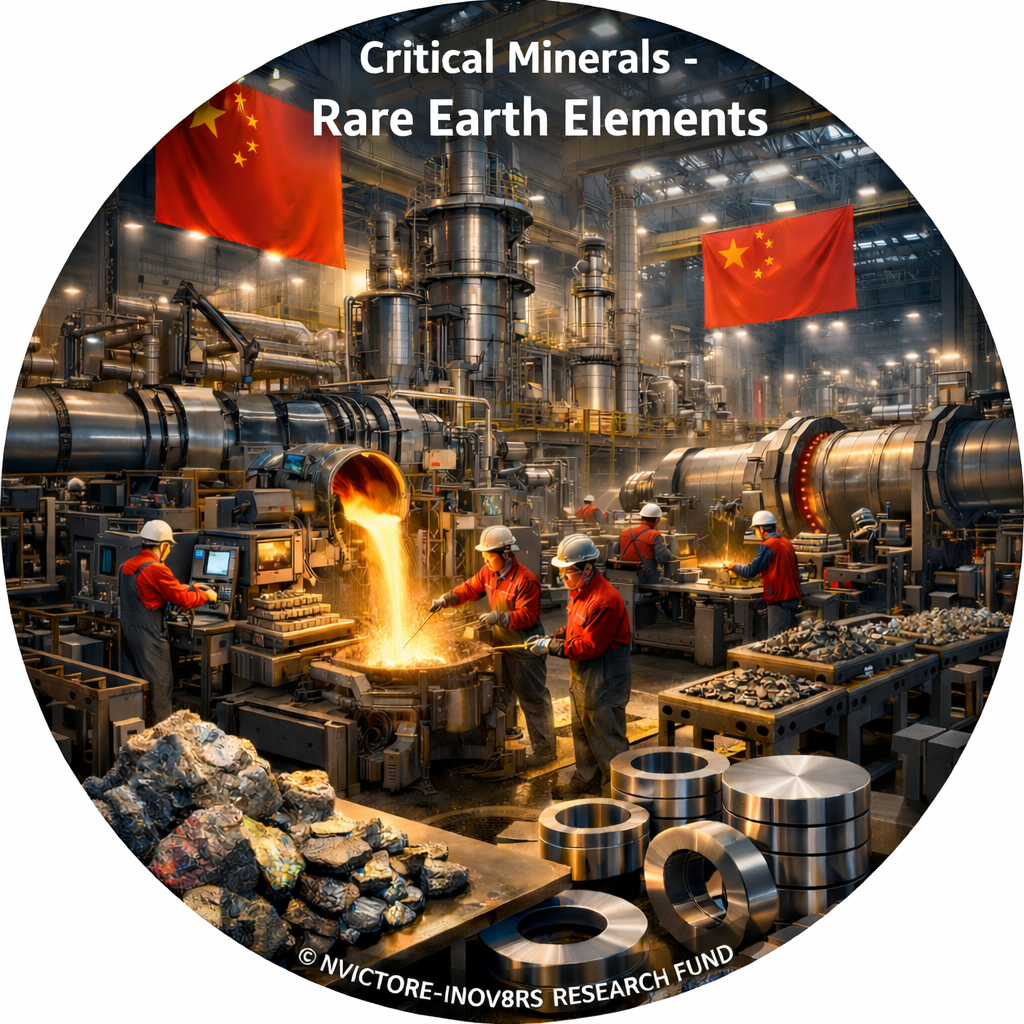
As global manufacturing expanded over the past two decades, rare earth processing was steadily pushed out of Western supply chains. It was capital-intensive, technically demanding, and difficult to defend on short-term economics.
China made the opposite choice, keeping those capabilities in place and methodically expanding them as others exited.
“China didn’t win this by mining. It won by building the entire system–separation, refining, metals, magnets–all connected. Everyone else walked away from it. At that point, control wasn’t up for debate anymore,” REalloys’s CEO Lipi Sternheim said. “North America lost control, and the reality is simple: factories don’t run on ore. They run on metals and alloys and at this moment in time our company is the only one able to actually refine heavy metals and magnets. Our competitors, no matter how well funded they are, are at least 3 years away from production”
Prior to going into mining in unexplored part of the world:
1. We need immediate research and development to improve the existing technologies.
2. Build refineries in the existing mines with infrastructure using developed technologies.
3. Take the price control of the Rare Earth Elements by tariffs or other means until the local refineries optimize the refining processes and operating cost.
We do not want to send the concentrate to another country to do final refining.
The US has developed a critical minerals price floor system that it’s pitching to allies as the Trump administration and more than 50 countries look to reduce dependence on China for the resources that are deemed critical to national security.
Under Secretary of State for Economic Affairs Jacob Helberg said multiple US agencies have developed the system and are having conversations with allies and partners. It’s the latest update to progress being made by the US and its allies to ringfence Western companies from China’s pressure on those markets.
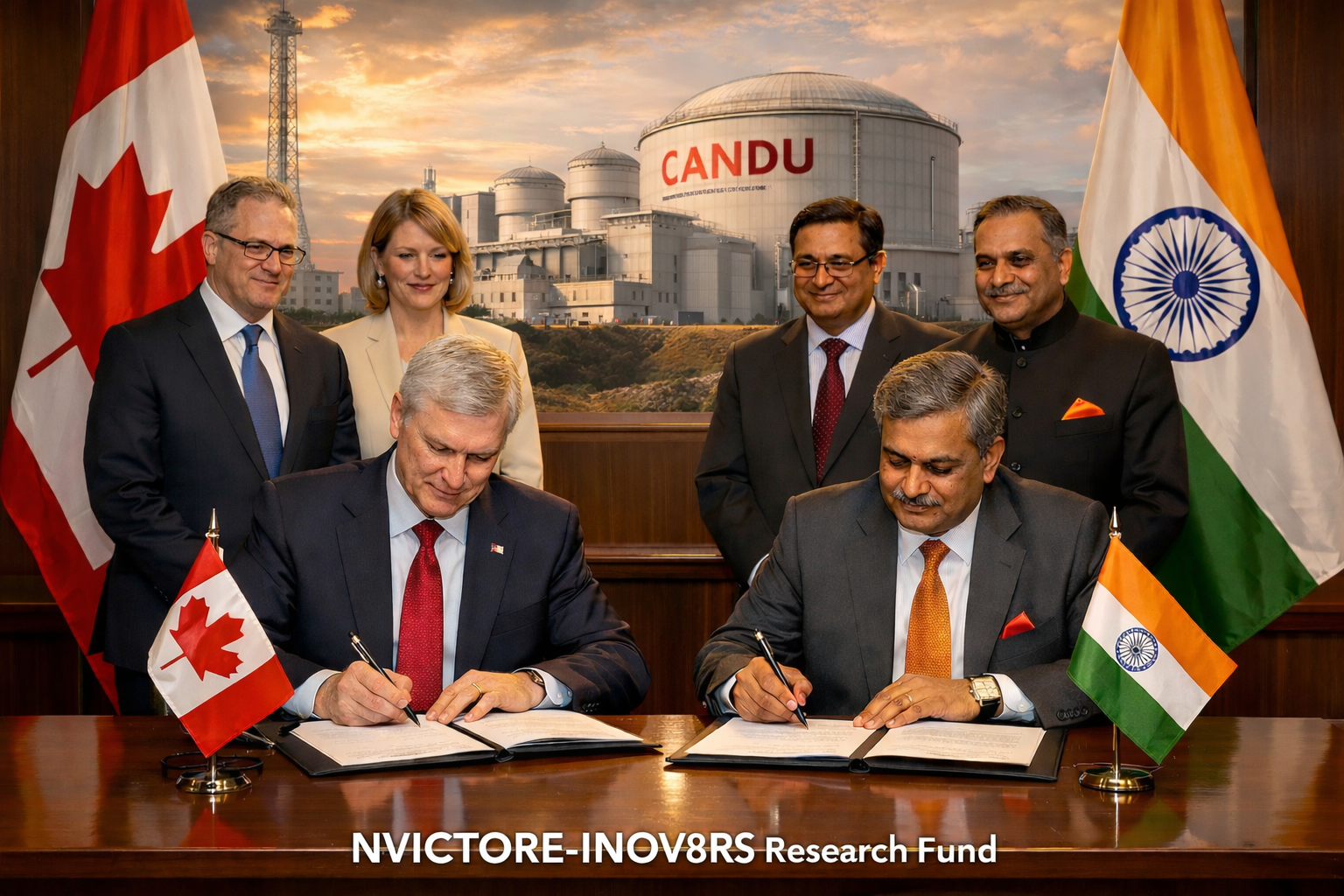
Canada and India are tantalizingly close to a 10-year multibillion dollar uranium supply deal that will likely be signed at a heads of state meeting in March, according to sources from both sides at the recently concluded India Energy Week, held in Goa, India, last week.
Canada is the world’s second-largest producer of uranium, accounting for 13% to 15% of global output, according to the International Energy Agency, while India is the world’s third-largest consumer of energy.
Given its burgeoning economy, India is on a quest for secure uranium supplies as it expands its nuclear power footprint tenfold to 100 gigawatts by 2047, and both sides are looking to partner on that front.
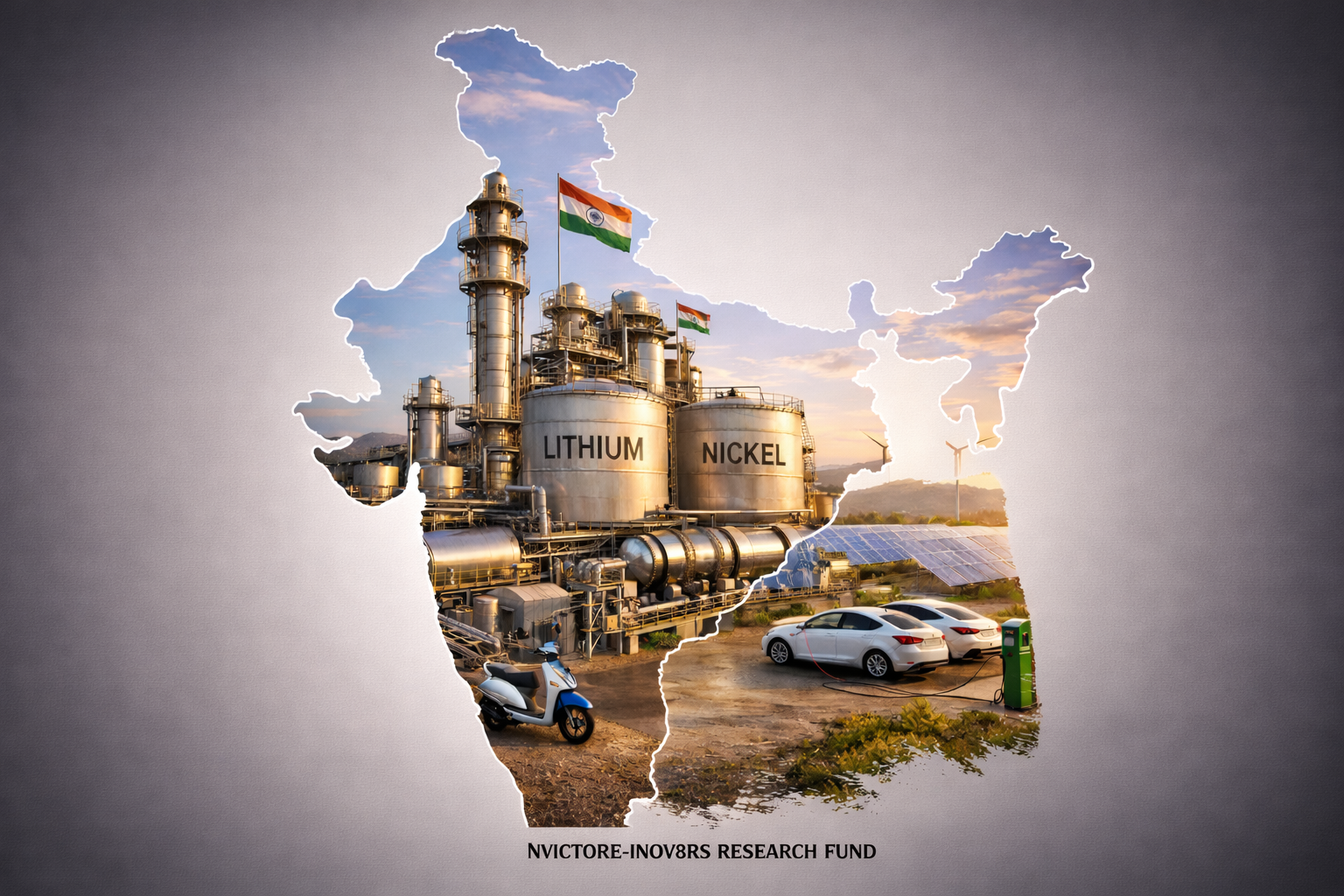
NEW DELHI, Jan 29 (Reuters) – India plans to soon offer incentives for companies to set up lithium and nickel processing plants to help boost output and meet rising demand for critical minerals, according to two sources and a government presentation reviewed by Reuters.
India is seeking to accelerate its energy transition and cut emissions by promoting clean energy initiatives like electric vehicles, though it lacks the technology to process critical minerals, a capacity that is largely dominated by China.
Nickel and lithium are critical to India’s EV supply chain, especially when it comes to batteries, as New Delhi targets 30% electric car penetration and 80% for two-wheelers by 2030 from 4% and 6% at present.
The incentive plan proposes a 15% capital subsidy for eligible investments in lithium and nickel-processing projects starting on or after April 1, 2026, which would be subject to a cap, according to the presentation.
A 15% capital subsidy appears to be “realistic,” one of the sources said.
India’s Ministry of Mines, which is responsible for the proposal, did not respond to a Reuters email seeking comments.
Under the programme, incentives would be available for five years and capped at 40% of annual net sales turnover for lithium processing plants and 25% for nickel plants, the presentation showed.
To qualify for the incentives, lithium processing plants must have a minimum capacity of 30,000 metric tons, while nickel plants must have at least 50,000 tons, it showed.
The subsidy would be disbursed in stages, subject to minimum plant utilisation targets set by the government, the presentation showed.
The government initially plans to roll out the incentives for two lithium and two nickel projects to meet the country’s demand by 2030, one of the sources and the presentation said.
In 2023, India identified more than 20 minerals – including lithium – as “critical” for its energy transition efforts and to meet rising demand from businesses.
NEW DELHI: India has reached out to key critical mineral producers to bring in processing technology into the country, officials said. The move comes close on the back of the government rolling out auctions of critical mineral mines.
“Talks are on with the United States (US), Australia, and United Kingdom (UK), South Korea, and Japan for processing technology. Brazil and Argentina are also positive about collaborating with India,” a senior mines ministry official told ET. According to another official aware of the plan, agreements with countries are being lined up and will soon be signed.
While India is going ahead with auction of mines holding critical minerals, there are no facilities for their beneficiation.
“We want to target India’s first critical mineral beneficiation and processing plant in the next 3-5 years,” the official quoted above said. “We want to ensure that development of critical mineral processing and extraction happen in parallel.”










 A Blog for Browsing Mining, Mineral Processing, and Metals Info