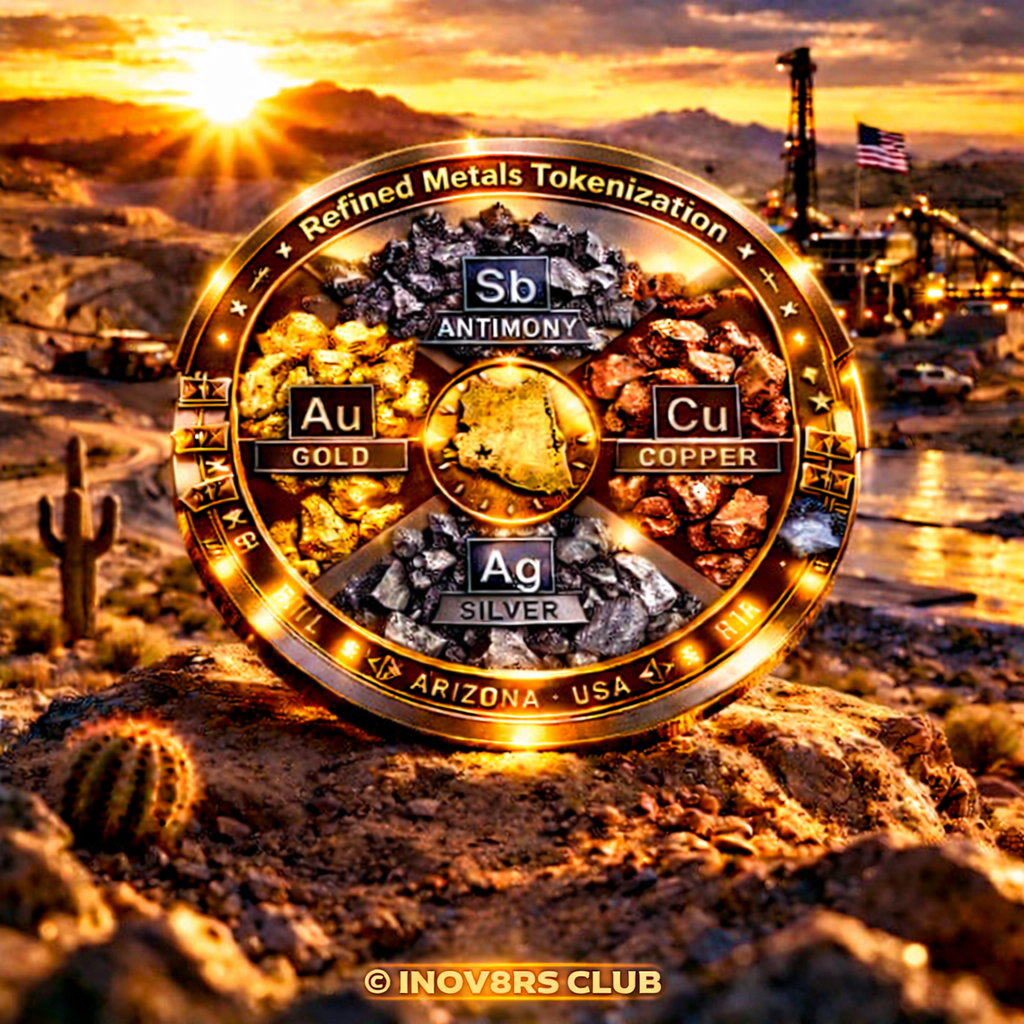
Datavault AI (DVLT) said Thursday it has partnered with American Strategic Minerals to develop and monetize one of the latter’s resource extraction projects in Arizona through a $78.2 million digital tokenization initiative.
Under the agreement, American Strategic will receive up to $68.8 million, while Datavault AI may earn up to a 20% equity stake in the company upon meeting performance milestones under the tokenization program.
Datavault AI said antimony will be the first element tokenized, followed by gold, copper and silver. The initial phase will cover about 5% of the project’s antimony resource through the ASMI Antimony 1 Token.
The partnership sets the stage for the launch of an International Elements Exchange, the company added.
German chemical giant opens US$10 billion Zhanjiang complex, its largest overseas investment, as Beijing courts foreign capital.
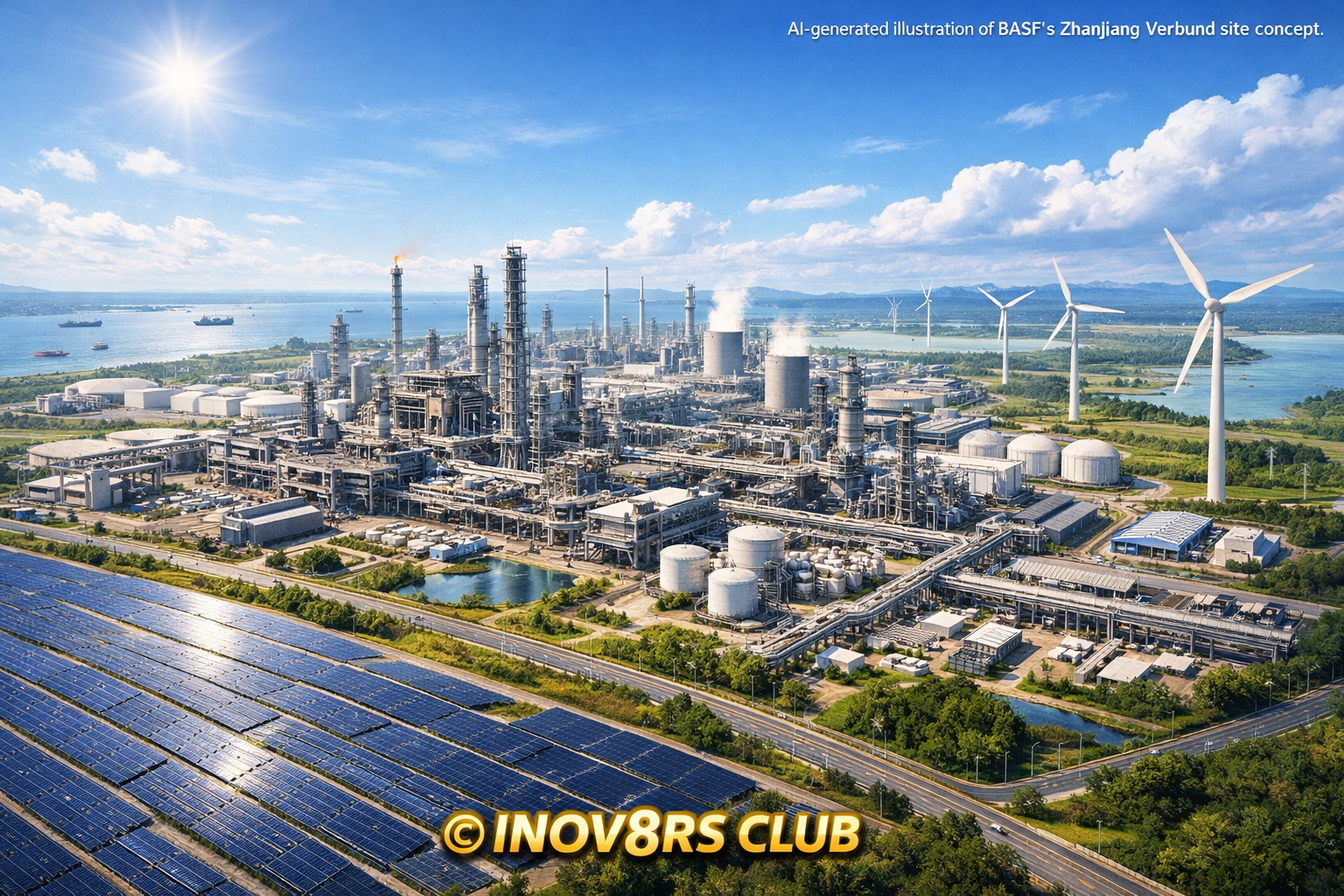
Germany’s chemical giant BASF has launched operations at its China production base – its largest overseas investment to date – with a total outlay of €8.7 billion (US$10 billion), and the country’s first wholly foreign-owned large-scale Verbund site.
The company on Thursday inaugurated the world-scale complex in Zhanjiang, Guangdong province, designed to run entirely on renewable electricity.
A Verbund site is an integrated chemical complex where plants, energy use and materials are interconnected to maximise efficiency and minimise waste.
The site has brought 18 plants and 32 production lines into operation, producing more than 70 types of products spanning basic chemicals, intermediates and specialty chemicals for industries including transport, consumer goods, electronics, home care and personal care.
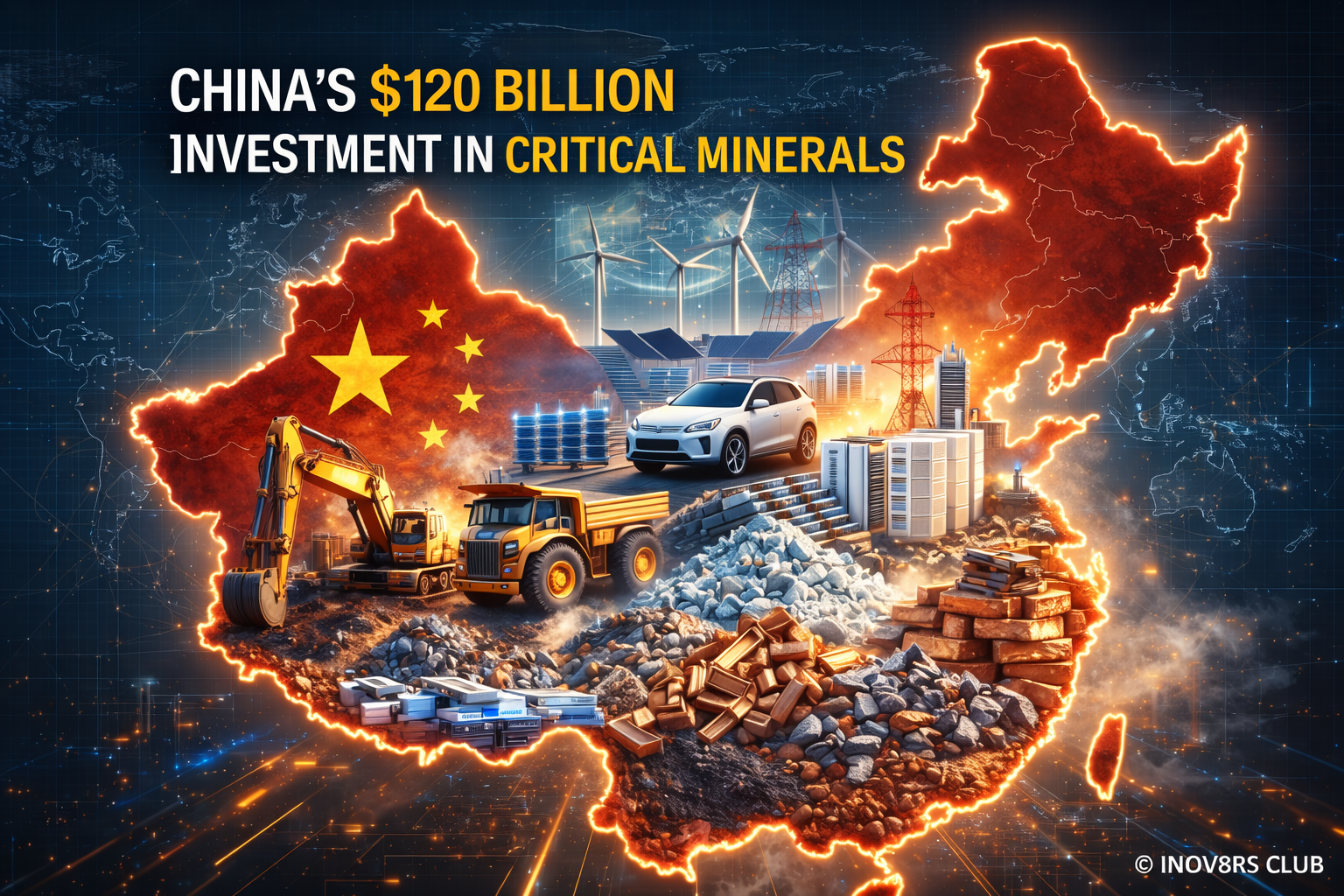
China has invested more than $120 billion in overseas mining and upstream processing since 2023, accelerating a state-backed push to secure the raw materials underpinning the global energy transition, says Australian think tank Climate Energy Finance (CEF).
A study published last week reveals that China’s spending targeted a wide range of commodities — including lithium, copper, nickel, rare earths and bauxite — that are essential for electric vehicles, renewable power and industrial decarbonization.
Vertical integration at scale
The CEF research also finds that China’s outbound investment in mining is only one piece of a much larger industrial strategy.
Since early 2023, Chinese firms have also deployed more than $220 billion into downstream sectors such as battery manufacturing, electric vehicles, grids, solar and wind infrastructure, creating what researchers describe as a vertically integrated global cleantech expansion.
Without a proper road map to grow its mining sector, the country remains a ‘second-tier mineral economy’.
As the Philippines forms partnerships with several countries to harness its potentially huge wealth of critical minerals, analysts have called for a coherent road map to develop the country’s mining industry to globally competitive standards.
President Ferdinand Marcos Jnr’s administration has signed multiple agreements over the past months, including a memorandum of understanding with the United States to cooperate on diversifying global critical mineral supply chains.
The accord, signed during an inaugural ministerial meeting on critical minerals hosted by Washington last month, is expected to shift Manila’s mining sector from raw mineral ore exports to domestic processing.
Talks on a critical minerals deal between the Philippines and Canada are also in progress. Earlier this month, a delegation from the Philippines took part in the Prospectors and Developers Association of Canada Convention in Toronto, a key gathering for the global mining industry.
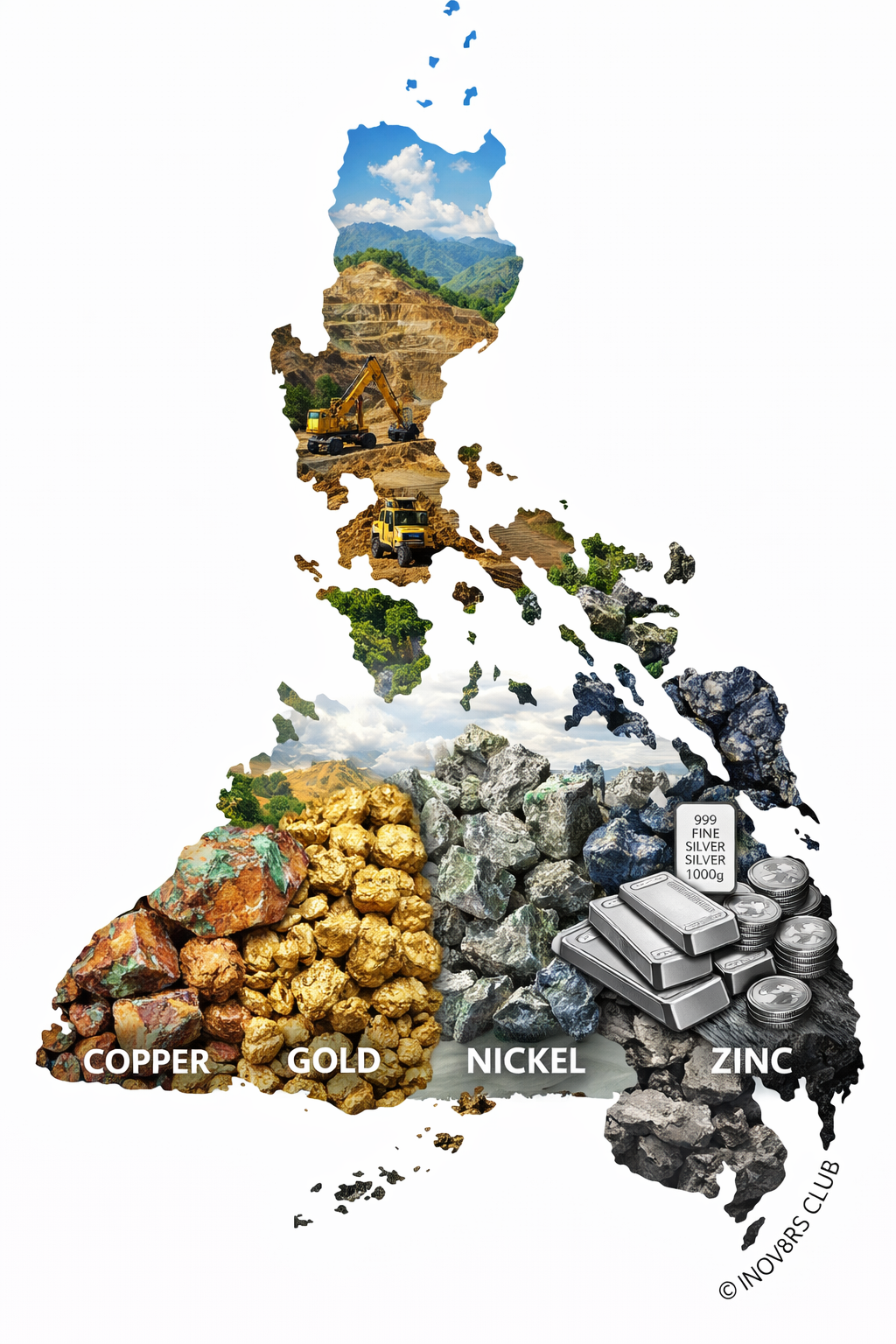
Philippines could tap huge global opportunities to grow its industry, as it possessed the world’s fifth-largest mineral reserves, with an estimated US$1 trillion in untapped supplies of copper, gold, nickel, zinc and silver.
Only about 5 per cent of these reserves have been explored, and mining contracts cover just 3 per cent of mineralized areas. At the same time, global demand for these resources, driven by climate change mitigation, clean energy and the broader energy transition, is expected to remain strong for the foreseeable future.
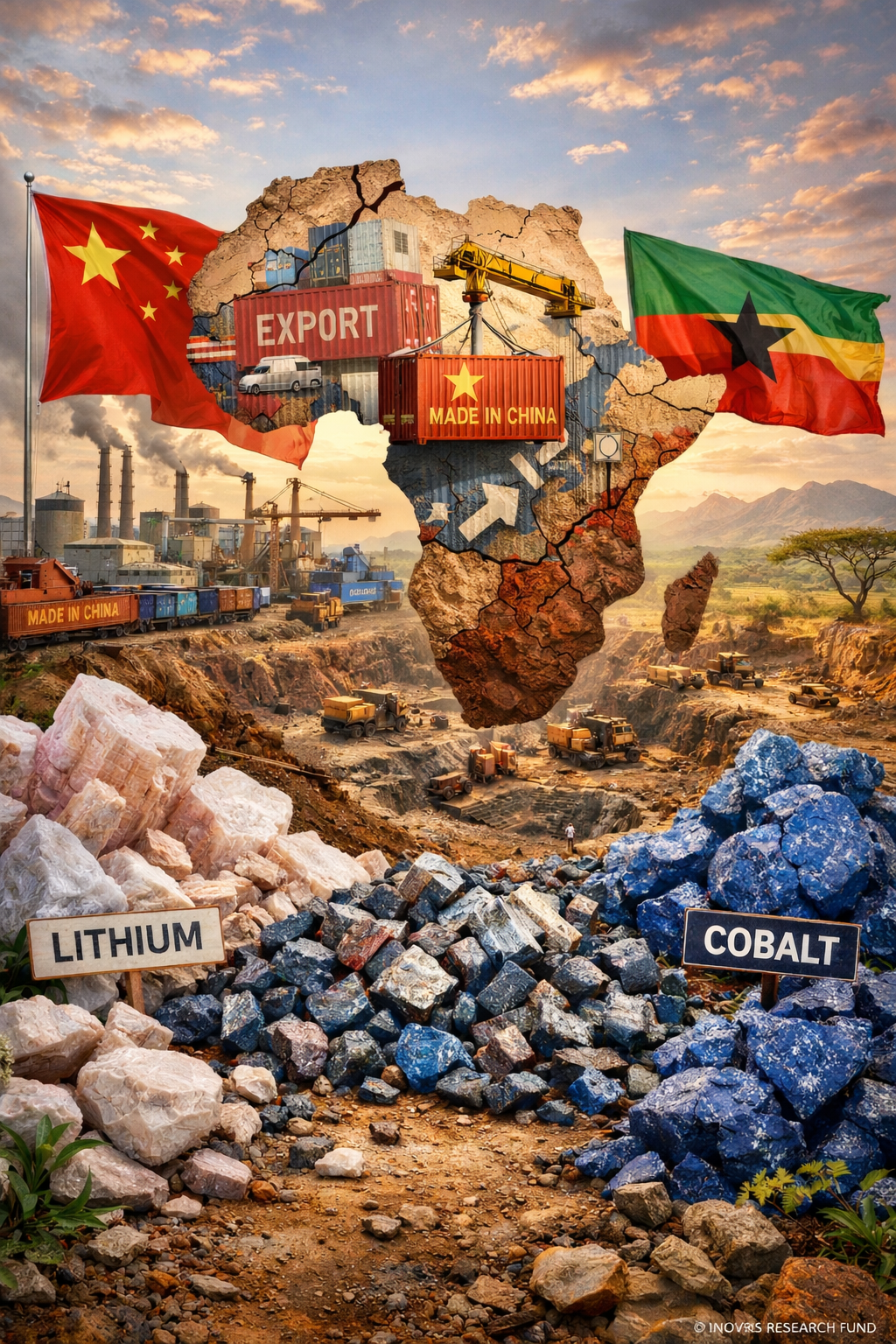
Resource-rich African nations are increasingly asserting control over critical minerals to maximise domestic returns, sending global prices soaring and exerting pressure on Chinese supply chains.
One price crunch started last month when Zimbabwe, Africa’s biggest lithium producer, abruptly suspended exports of raw lithium minerals and concentrates.
Chinese battery producers, which rely on Zimbabwe for about 15 per cent of their total lithium concentrate supply, were hit particularly hard.
The Democratic Republic of Congo (DR Congo) has also sought to extract higher returns from its mineral sales, imposing cobalt export controls last year following a sharp decline in global prices. The embargo was eventually replaced in October by a quota system to rebalance the market, with Kinshasa setting limits of 96,600 tonnes this year.
Although China dominates the processing of cobalt, an essential metal used in batteries for electric vehicles and other electronics, it depends heavily on the DR Congo for raw materials.
Namibia prohibited unprocessed mineral exports in 2023, while Tanzania and Malawi issued mandates for in-country refining and raw export bans last year. Ghana has set a 2030 deadline to halt raw bauxite and lithium shipments for its domestic battery industry.
The US, Japan and the European Union are set to announce plans in the coming weeks to lay the foundation for a trade agreement in critical minerals, according to people familiar with the preparations.
The Office of the US Trade Representative, which has led negotiations with Brussels and Tokyo on the framework, will also head talks for a trade deal that is set to include a price floor and tariffs for the materials to counter any market distortions by China, said the people, who spoke on the condition of anonymity.
Global efforts to diversify critical minerals supply chains intensified after Beijing last year imposed sweeping export controls, including on rare earths and critical minerals, in response to President Donald Trump’s so-called Liberation Day tariffs, which set a 10% levy on nearly all American imports.
Beijing has threatened it would retaliate against the formation of a bloc that would target its exports.
The supply crunch has eased somewhat since its worst point last summer and fall, but companies still complain that they don’t receive the quantities they need and have ordered from Chinese suppliers.
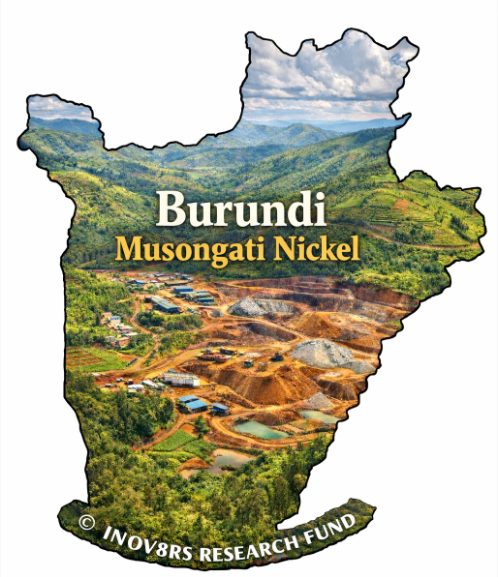
Lifezone Metals said post-market Tuesday it signed an exclusivity agreement with Burundi’s government over the Musongati nickel laterite project, located in Burundi and part of the larger East African Nickel Belt, which also includes the company’s Kabanga nickel project.
The Musongati Nickel Project is Burundi’s most important nickel deposit and sits within the world-class NE-SW-trending line of mafic-ultramafic intrusions known as the Kabanga-Musongati Alignment of the East African Nickel Belt, the company said.
Lifezone said the 14-month exclusivity agreement allows it to commit its expertise and resources to assess the Musongati nickel laterite project within this initial exclusivity phase, as the company heads to a final investment decision on its key Kabanga nickel project in neighboring Tanzania.
A 2011 study defined a resource of more than 140M tons, making Musongati a major, large-tonnage, open-pittable resource.
Group of Seven members Japan, France and Canada are working on alternatives to a U.S.-led trade bloc to secure critical minerals and reduce reliance on China, according to three senior officials from these countries.
Some options include import quotas on certain rare earths, subsidies for mining companies to diversify the supply chain on critical minerals, and a buyers’ club,a Canada-led G7 initiative that aims to develop a reliable supply chain of critical minerals outside of China and break that country’s monopoly on these metals.
Rare earths are difficult-to-extract metals used in cell phones, EVs, and high-tech weapons. China currently controls over 90% of these metals and imposed export controls last year in retaliation for U.S. tariffs.
Japan has asked its manufacturing industries to strike commercial deals with rare earths projects that it has funded with allies such as France, Australia, and Canada.
“They might not be the cheapest, but now that the industry understands the balance of risk and price, it is not a bad idea to use those projects,” Hatada explained.
Benjamin Gallezot, France’s interministerial delegate for supplies of strategic minerals and metals, told Reuters the U.S. proposal is one way to diversify, “but there are other ways to do it.” “There will not be a general policy, that is our view. Second, it has to be built and discussed between a large number of countries, not only the G7, but G7 plus.”
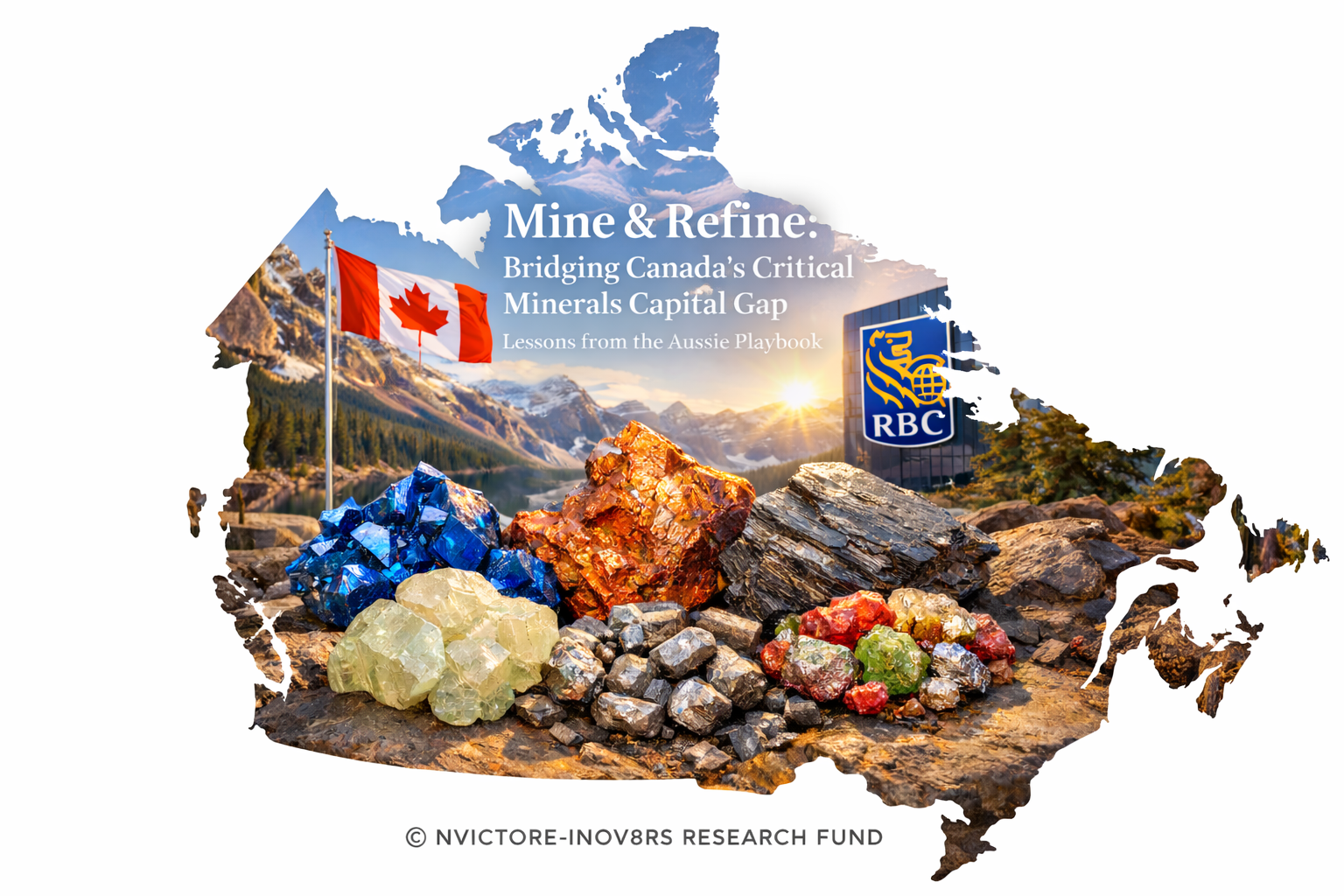
Capital is needed for Canada to take advantage of the critical minerals industry that’s projected to grow between two to three times globally with a capital requirement of US$500-600 billion by 2040, according to an International Energy Agency forecast. Global demand for six core commodities—cobalt, copper, graphite, lithium, nickel and rare earth elements—will be driven by several growth sectors, including electric vehicles, clean energy infrastructure and space. As well as strategic sectors such as defence, manufacturing and electronics.
Canada holds world-class geology across all six metals but remains a relatively marginal player, accounting for roughly 2% of the global supply of the six metals. If identified projects proceed at full capacity, it could climb to 14% of total supply over the next 15 years, on average, according to Canadian government estimates. The development of vertical supply chains such as an expanded advanced manufacturing base, could have an exponential impact on Canadian supply to meet domestic and international demand.
Yet, Canada remains largely a “mine-and-ship” jurisdiction. Raw metals are shipped mostly to China where they are refined and transformed into high-value components. It’s the result of two decades of capital allocation decisions and the lack of a robust national strategy, but also China’s ability to depress metal prices to crush competitors.
There’s considerable global momentum to propel the Canadian critical minerals industry forward. The U.S. is leveraging its funding, market mechanisms and guarantees to build out a critical minerals market that excludes China. Meanwhile, Europe and several G20 allies are eager to diversify their critical minerals supply chain as they fear the Chinese industrial machine will crush their domestic economies and leave them ever more beholden to Beijing.
China’s recent export controls on key minerals—including rare earths, graphite, gallium, germanium—over the past year are a clarion call for Western countries to act.
Among its G7 allies, Canada is best equipped to take advantage: it’s home to high-grade lithium belts and graphite deposits in Quebec and Ontario, globally significant nickel resources in Manitoba, formidable copper reserves in British Columbia, and rare earth elements in pockets across Canada, including Newfoundland and Labrador. Few countries can claim this breadth across all six critical minerals at scale.
Closing the gap requires a coordinated public-private agenda anchored in sovereign co-investment, infrastructure financing, miner-driven shared processing corridors and integration into Western supply chains.
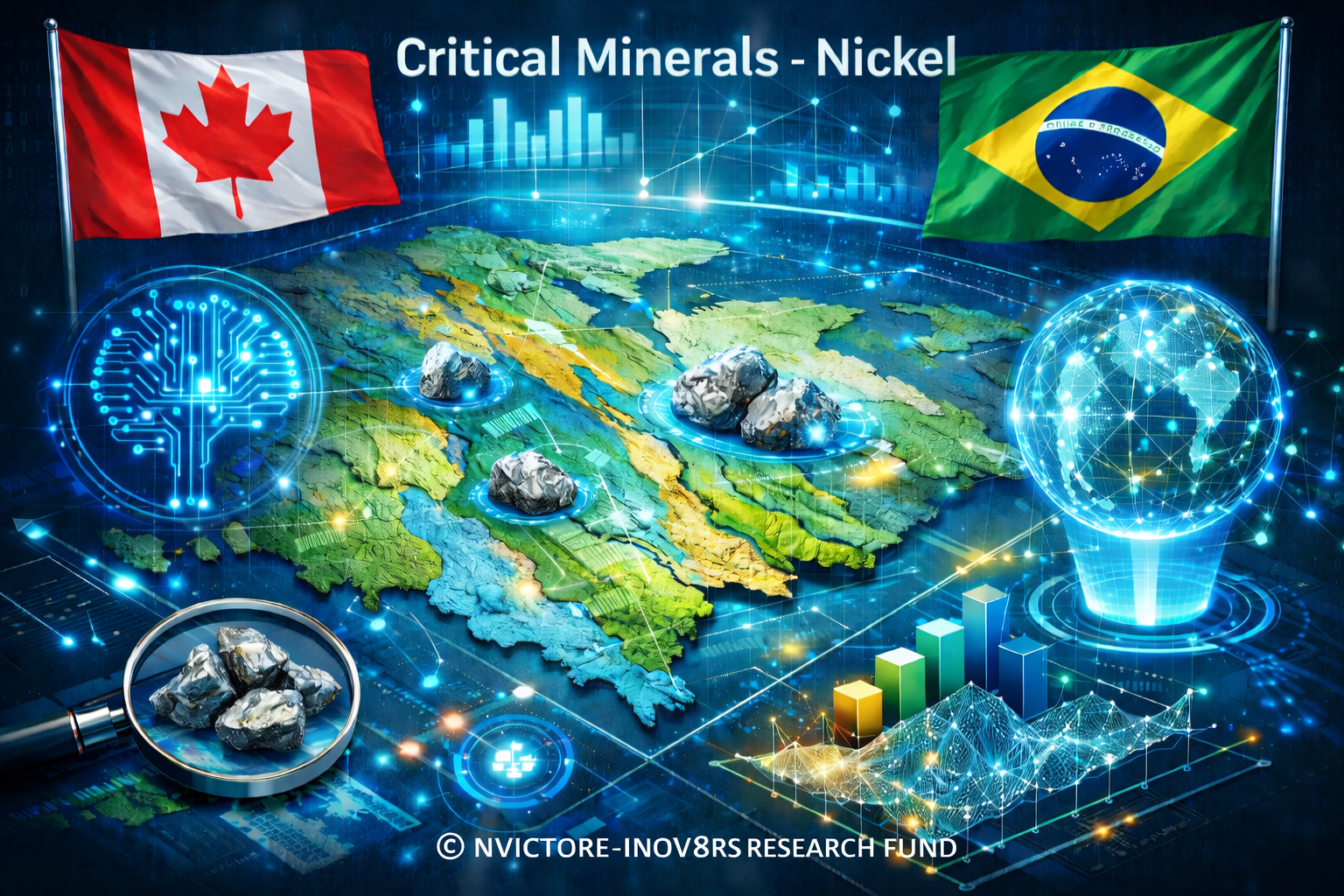
Canada and Brazil have signed a technical cooperation agreement to advance research aimed at identifying areas with a higher probability of containing nickel deposits.
The Geological Survey of Brazil (SGB) and the Geological Survey of Canada (GSC) formalized the partnership during the PDAC 2026 global mining convention in Toronto and the signed the accord.
Researchers from both countries will collaborate on studies examining the geological processes responsible for the formation, concentration and preservation of nickel deposits. The work will focus on developing an integrated exploration approach that combines geoscientific databases, including geology, geochemistry, geophysics and remote sensing data.
The partnership will also apply mineral potential modelling using artificial intelligence, with results processed and compared on a shared research platform. Initial findings from the joint work are expected in 2027.
The collaboration will allow both countries to expand exploration capabilities by sharing expertise and modern techniques.
“The partnership is strategic because it allows us to exchange experiences and advance in the use of more modern methodologies to identify areas with mineral potential,” GSC said in a statement. “Brazil and Canada have much to gain from this cooperation, but the impacts go further. We are talking about a contribution that will meet the global demand for strategic minerals for the energy transition.”
Brazil holds an estimated 16 million tonnes (Mt) of nickel reserves, ranking third globally behind Indonesia, which has about 62 Mt, and Australia with 25 Mt. Despite that resource base, Brazil ranks eighth in global nickel production and accounts for about 2.1% of total output, data from SGB shows.
International interest in Brazil’s nickel potential has grown in recent years, although volatile nickel prices have created challenges for project development and financing. Several projects have struggled to advance even as dealmaking in the sector continues.











 A Blog for Browsing Mining, Mineral Processing, and Metals Info