Why #Greenland? not #Mountainpass, #California for #RareEarth elements?

North Americans and Europeans need reliable processes to refine both light and heavy rare earth metals.
The processes currently available in North American and Europe to refine light and heavy rare earth elements do not meet the economic and environmental standard.
Prior to going into mining in unexplored part of the world:
1. We need immediate research and development to improve the existing technologies.
2. Build refineries in the existing mines with infrastructure using developed technologies.
3. Take the price control of the Rare Earth Elements by tariffs or other means until the local refineries optimize the refining processes and operating cost.
We do not want to send the concentrate to another country to do final refining.
Process Development:
“Two different rare earth elements may be fractions of an angstrom different in diameter — that means it’s very difficult to separate using physical means. The processes that are used right now … can be 100 steps,” Chrisey said, also noting that the procedure can be very expensive and environmentally hazardous due to the chemicals used to separate and purify the metals.
U.S. Begins Forging Rare Earth Supply Chain
Molycorp was struggling to stay solvent. Those new innovative technologies? They didn’t generate significant revenue or work as designed. By 2013, the company’s revenues were in free fall.
Molycorp’s most profitable assets being transferred to Chinese-linked Neo Materials, where he formerly served as CEO. Molycorp’s final remaining husk declared bankruptcy in 2014. Unsurprisingly, the majority of Neo Materials’ revenue-producing operations are now in China. To make matters worse, the Mountain Pass mine was purchased out of bankruptcy by a consortium that included a Chinese-owned firm.
Mountain Pass was now sending U.S.-mined rare earth concentrate to China for processing. The dream of a one-stop American rare earths solution was over, and the private sector had little appetite for reviving it.
Crucial innovation is also needed to break China’s stranglehold on the sector without sacrificing environmental quality, industry analysts said, with concerns over current processes’ toxic waste impeding projects.
The collapse of American rare earth mining — and lessons learned
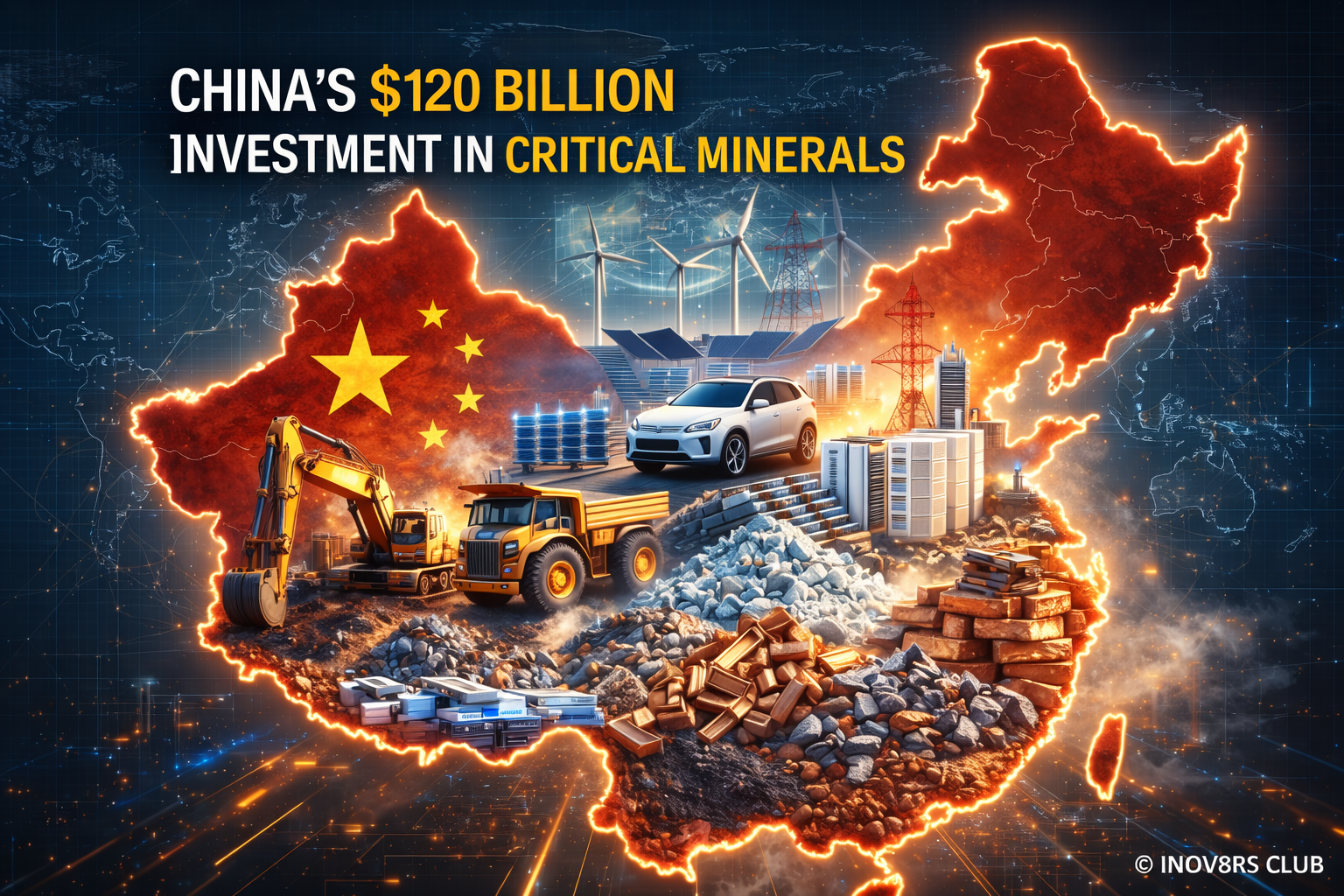
Technical complexities, partnership strains and pollution concerns are hampering companies’ ability to wrest market share away from China, which according to the International Energy Agency controls 87% of global rare earths refining capacity.
Late last year, U.S.-based MP said it was commissioning refining equipment near its California mine as part of an intricate calibration process that has so far not succeeded, leaving the company reliant on China for refining and thus nearly all of its revenue.
Rare Earth Reserve:
1.China – Rare earths reserves: 44 million metric tons
2. Brazil – Rare earths reserves: 21 million metric tons
3. India – Rare earths reserves: 6.9 million metric tons
4. Australia – Rare earths reserves: 5.7 million metric tons
5. Russia – Rare earths reserves: 3.8 million metric tons
6. Vietnam – Rare earths reserves: 3.5 million metric tons
7. United States – Rare earths reserves: 1.9 million metric tons
8. Greenland – Rare earths reserves: 1.5 million metric tons
The town of Mountain Pass, California, is home to the largest rare-earth element mine in the U.S. Its story began in the 1940s, when prospectors went searching for uranium.
https://earthobservatory.nasa.gov/images/151085/mountain-pass-rare-earth-mine
The U.S. contains potential sources for many of them, and powerful voices in politics and business insist that the country must exploit them. But despite skyrocketing demand for the energy-critical elements, would-be domestic producers just can’t compete with global forces. This then is a story of comprehensive failure — but not the obvious one. Molycorp’s impending demise reflects failure by politicians and the media to understand how weak China’s grip on the metals market really is, and failure by Wall Street to understand the most basic dynamics of supply and demand, and failure by Silicon Valley to distinguish between hype and hard numbers.
Why rare-earth mining in the West is a bust – High Country News
Price Control:
China’s refining expertise has allowed the country to engineer rare earths prices at different stages in the processing chains to its advantage, including low prices for finished products, to inhibit foreign competition.
Beijing for years has allowed imports of lightly processed rock known as rare earths concentrate for refining. The strategy helps ensure prices that incentivize other countries to dig new mines but not build processing plants.
China plans to prohibit non-state companies from mining rare earths, further tightening its control over a strategic sector that has emerged as a battleground in its trade war with the US. The government said only large state-owned groups can mine, smelt or separate the minerals and proposed banning private firms from the activities, according to draft rules issued by the Ministry of Industry and Information Technology.