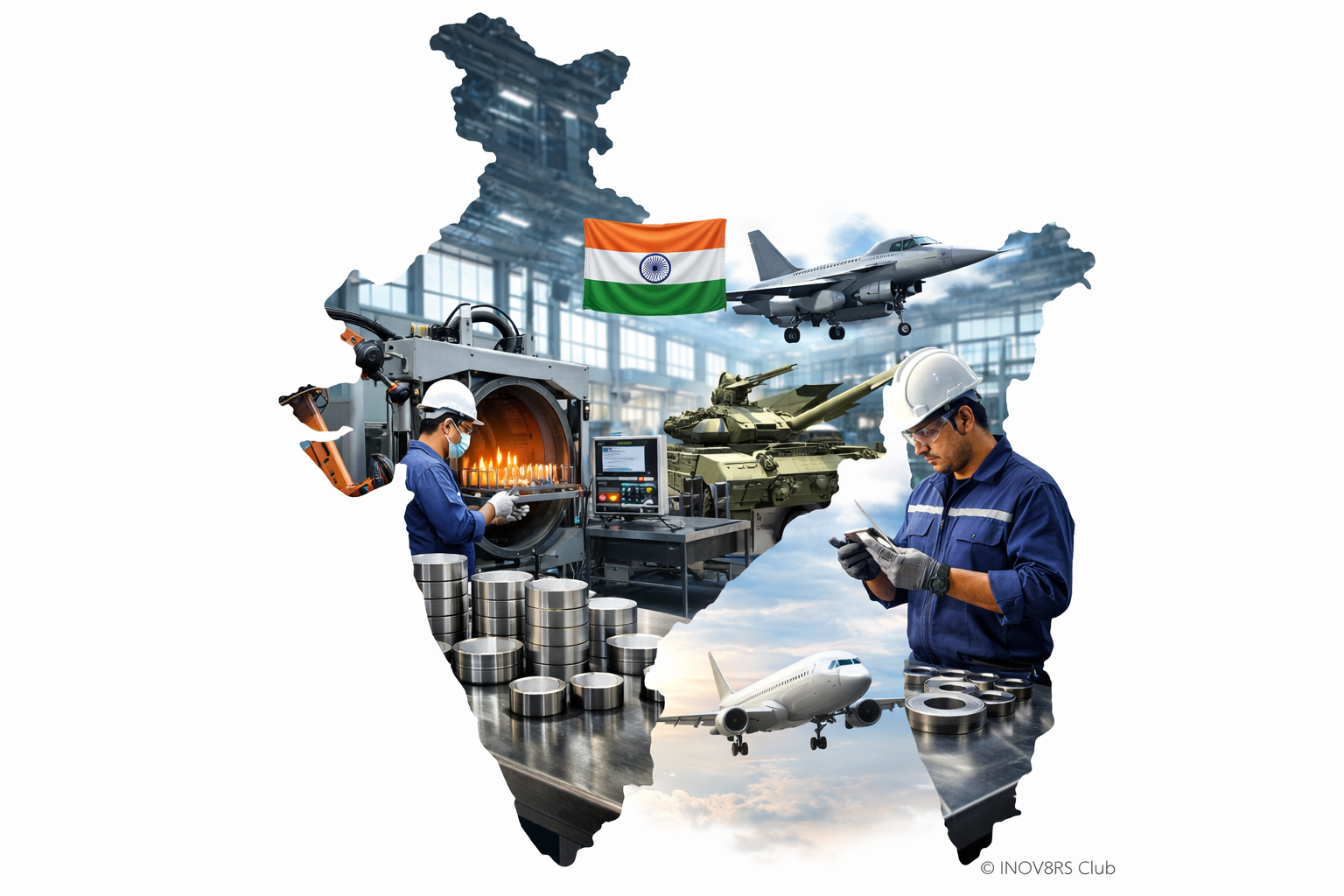
The Ministry of Heavy Industries is likely to call for bids under the Scheme to Promote Manufacturing of Sintered Rare Earth Permanent Magnets (REPM) Friday. Officials said the Rs 7,280 crore scheme will promote domestic manufacturing of 6,000 million tonnes per annum (MTPA) of magnets, strengthening supply chains for the automotive, defense, and aerospace sectors.
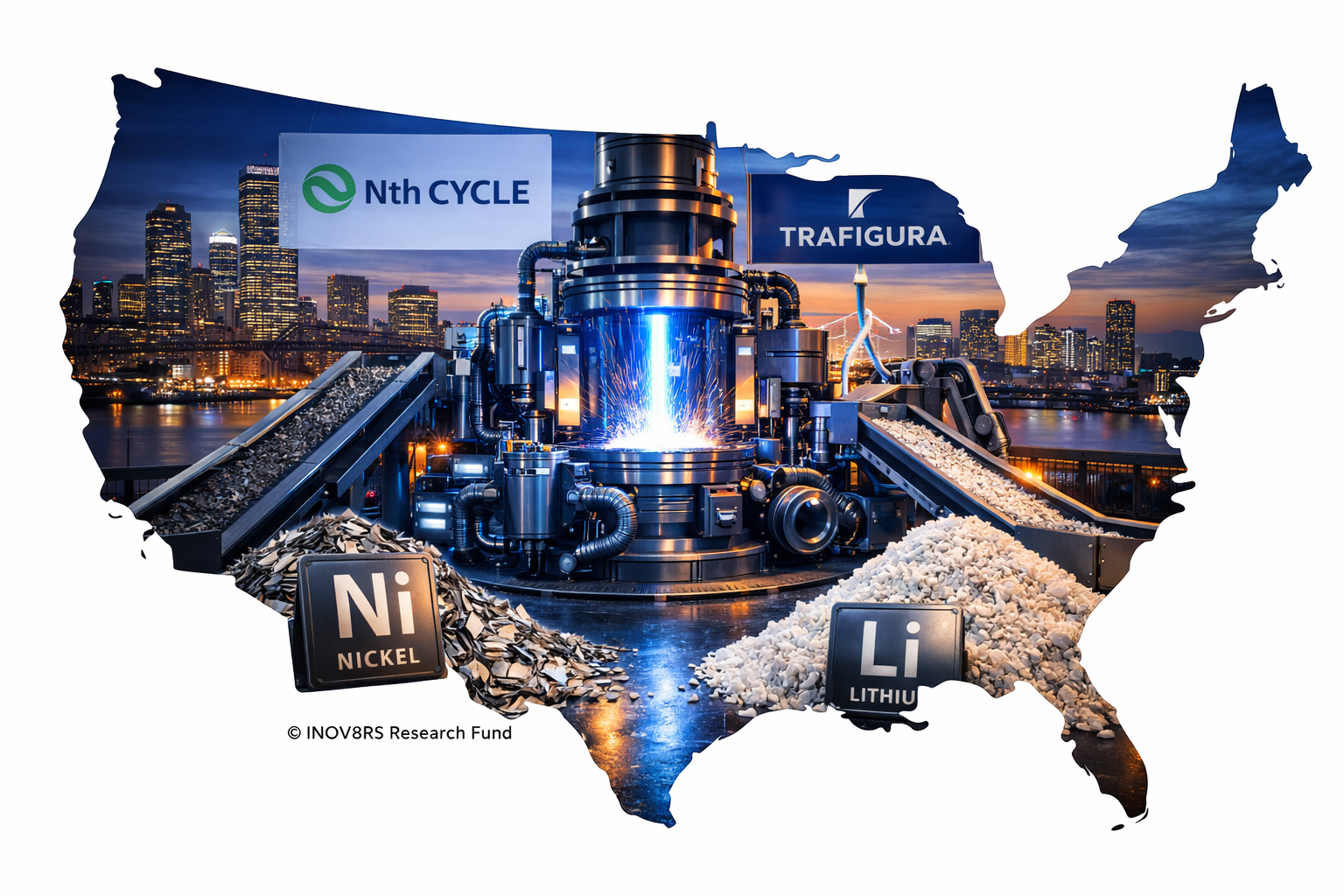
Metal recycling startup Nth Cycle of Burlington says it’s struck a deal with Singapore-based metals trading company Trafigura to deliver $1.1 billion in recycled nickel and lithium over the next decade.
Nth Cycle, which operates a recycling plant in Ohio, plans to add capacity by building facilities in South Carolina and the Netherlands. The deal was announced at an energy security forum in Tokyo co-hosted by the Japanese and US governments, in an effort to reduce the two nations’ dependence on China for access to critical metals.
Nth Cycle is the second local recycling company to team up with Trafigura, which is scrambling to meet surging global demand for lithium, cobalt, nickel, and other scarce metals that are vital in high-tech manufacturing.
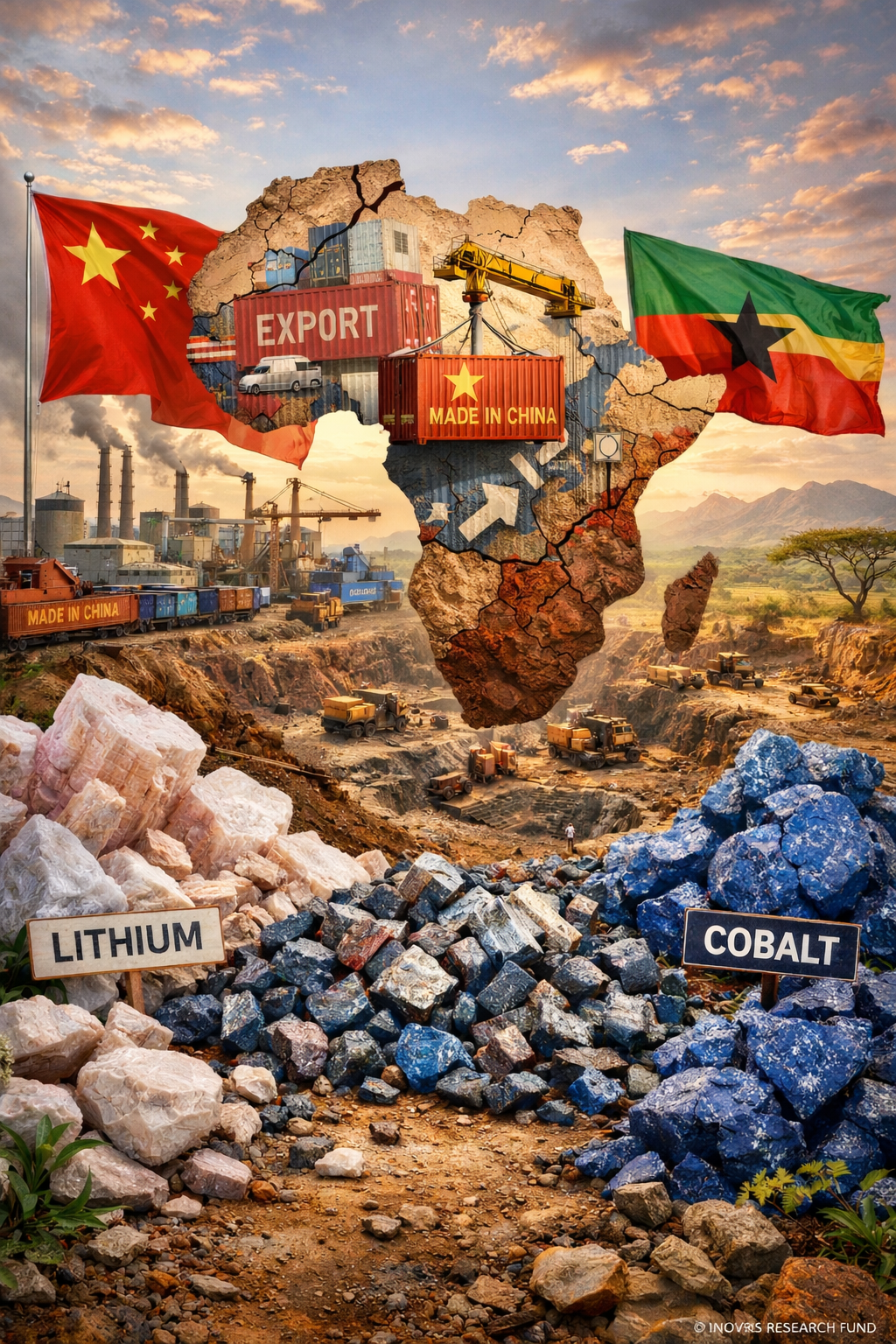
Resource-rich African nations are increasingly asserting control over critical minerals to maximise domestic returns, sending global prices soaring and exerting pressure on Chinese supply chains.
One price crunch started last month when Zimbabwe, Africa’s biggest lithium producer, abruptly suspended exports of raw lithium minerals and concentrates.
Chinese battery producers, which rely on Zimbabwe for about 15 per cent of their total lithium concentrate supply, were hit particularly hard.
The Democratic Republic of Congo (DR Congo) has also sought to extract higher returns from its mineral sales, imposing cobalt export controls last year following a sharp decline in global prices. The embargo was eventually replaced in October by a quota system to rebalance the market, with Kinshasa setting limits of 96,600 tonnes this year.
Although China dominates the processing of cobalt, an essential metal used in batteries for electric vehicles and other electronics, it depends heavily on the DR Congo for raw materials.
Namibia prohibited unprocessed mineral exports in 2023, while Tanzania and Malawi issued mandates for in-country refining and raw export bans last year. Ghana has set a 2030 deadline to halt raw bauxite and lithium shipments for its domestic battery industry.
The US, Japan and the European Union are set to announce plans in the coming weeks to lay the foundation for a trade agreement in critical minerals, according to people familiar with the preparations.
The Office of the US Trade Representative, which has led negotiations with Brussels and Tokyo on the framework, will also head talks for a trade deal that is set to include a price floor and tariffs for the materials to counter any market distortions by China, said the people, who spoke on the condition of anonymity.
Global efforts to diversify critical minerals supply chains intensified after Beijing last year imposed sweeping export controls, including on rare earths and critical minerals, in response to President Donald Trump’s so-called Liberation Day tariffs, which set a 10% levy on nearly all American imports.
Beijing has threatened it would retaliate against the formation of a bloc that would target its exports.
The supply crunch has eased somewhat since its worst point last summer and fall, but companies still complain that they don’t receive the quantities they need and have ordered from Chinese suppliers.
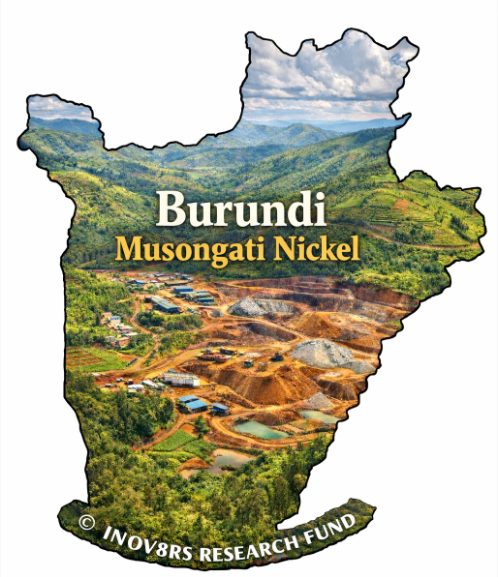
Lifezone Metals said post-market Tuesday it signed an exclusivity agreement with Burundi’s government over the Musongati nickel laterite project, located in Burundi and part of the larger East African Nickel Belt, which also includes the company’s Kabanga nickel project.
The Musongati Nickel Project is Burundi’s most important nickel deposit and sits within the world-class NE-SW-trending line of mafic-ultramafic intrusions known as the Kabanga-Musongati Alignment of the East African Nickel Belt, the company said.
Lifezone said the 14-month exclusivity agreement allows it to commit its expertise and resources to assess the Musongati nickel laterite project within this initial exclusivity phase, as the company heads to a final investment decision on its key Kabanga nickel project in neighboring Tanzania.
A 2011 study defined a resource of more than 140M tons, making Musongati a major, large-tonnage, open-pittable resource.
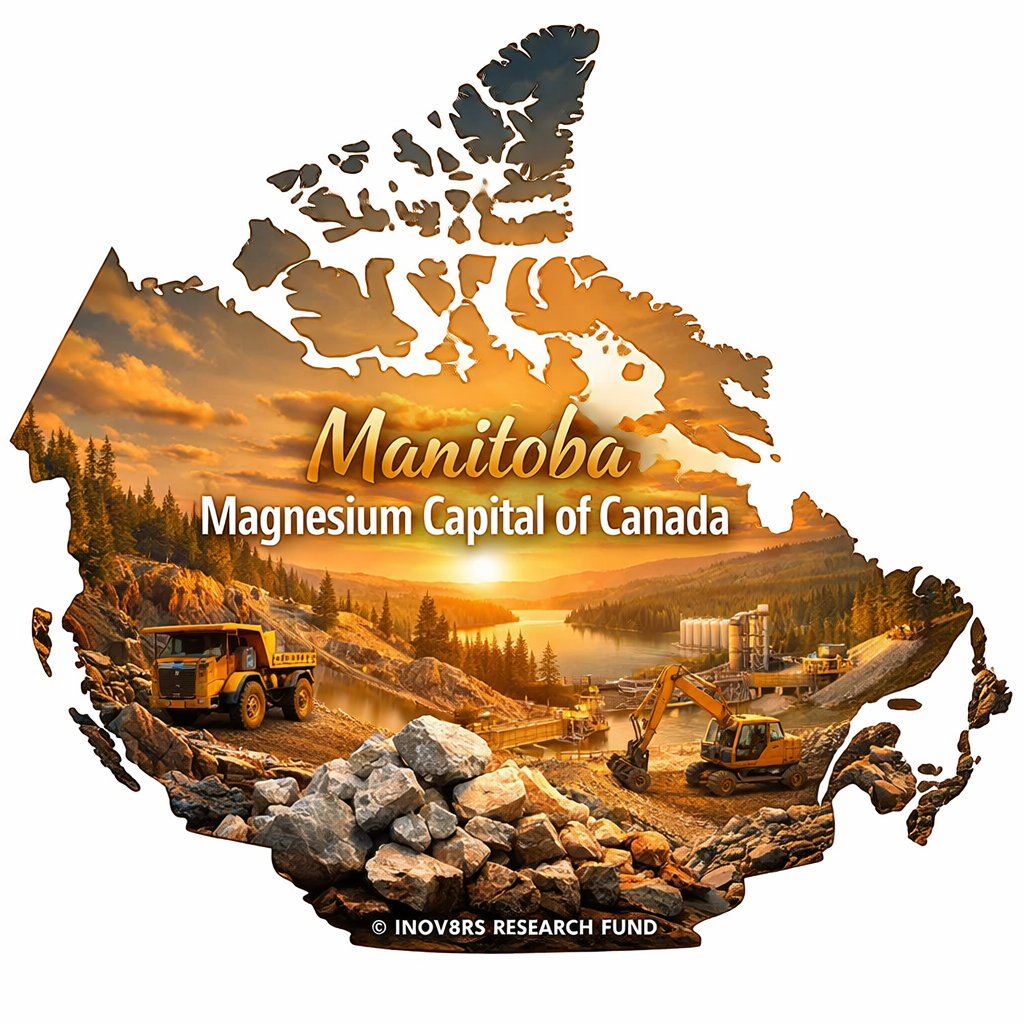
A critical mineral mining project owned by a First Nation is closer to its goal of positioning Manitoba as the “magnesium capital of Canada.”
The project has received an amended environmental licence from the province.
Kinosao Sipi, also known as Norway House Cree Nation, took full ownership of the former Minago nickel project in the Thompson nickel belt in November 2024. The project was rebranded after magnesium and other platinum-group metals were discovered.
It is Canada’s first critical minerals project to be fully owned by a First Nation, the province said in a news release last week. The project is now licensed to produce 10,000 tonnes of materials per day, but the project’s planning and financing still need to be finished.
Group of Seven members Japan, France and Canada are working on alternatives to a U.S.-led trade bloc to secure critical minerals and reduce reliance on China, according to three senior officials from these countries.
Some options include import quotas on certain rare earths, subsidies for mining companies to diversify the supply chain on critical minerals, and a buyers’ club,a Canada-led G7 initiative that aims to develop a reliable supply chain of critical minerals outside of China and break that country’s monopoly on these metals.
Rare earths are difficult-to-extract metals used in cell phones, EVs, and high-tech weapons. China currently controls over 90% of these metals and imposed export controls last year in retaliation for U.S. tariffs.
Japan has asked its manufacturing industries to strike commercial deals with rare earths projects that it has funded with allies such as France, Australia, and Canada.
“They might not be the cheapest, but now that the industry understands the balance of risk and price, it is not a bad idea to use those projects,” Hatada explained.
Benjamin Gallezot, France’s interministerial delegate for supplies of strategic minerals and metals, told Reuters the U.S. proposal is one way to diversify, “but there are other ways to do it.” “There will not be a general policy, that is our view. Second, it has to be built and discussed between a large number of countries, not only the G7, but G7 plus.”
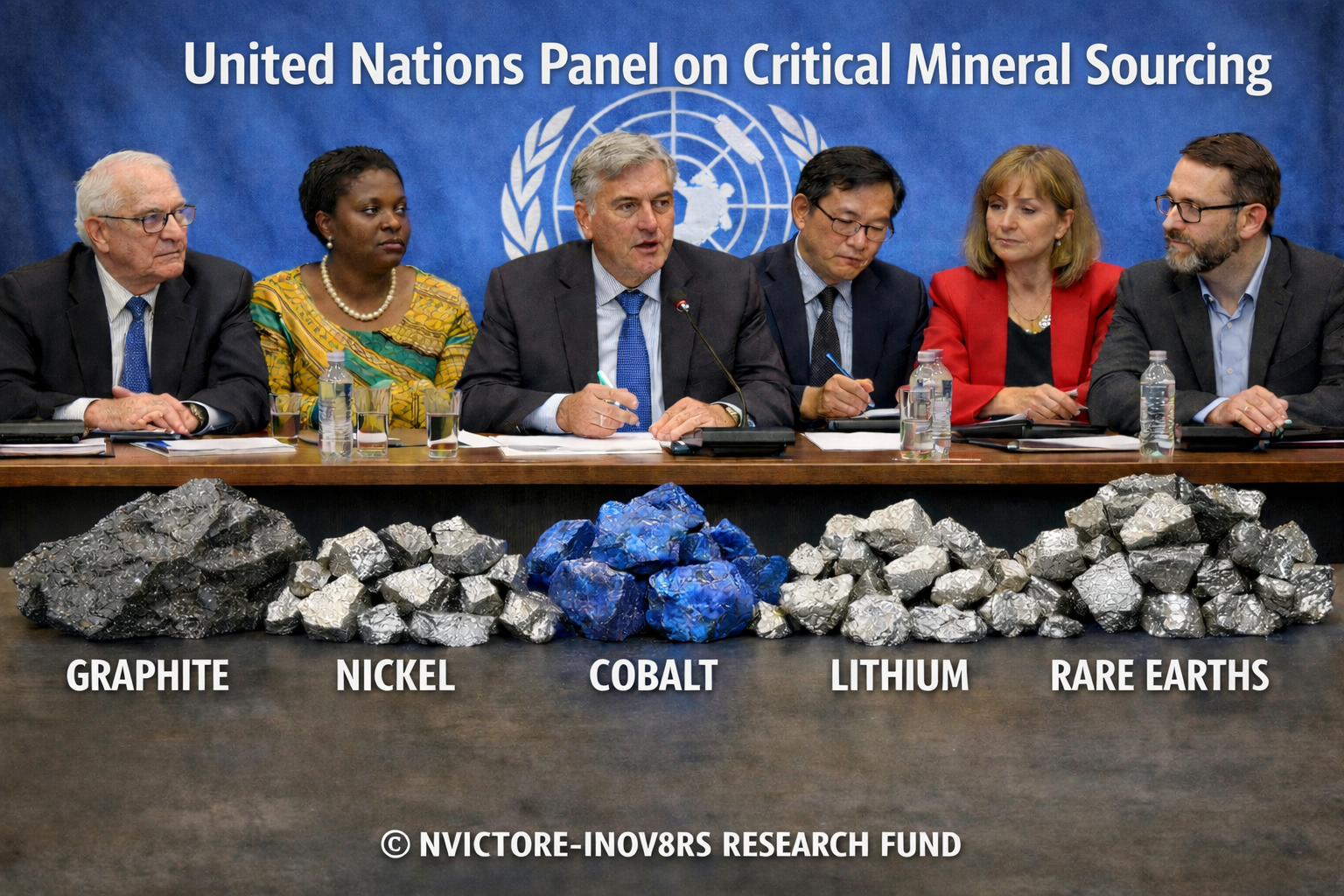
On Thursday, the UN Security Council convened to discuss the links between energy, critical minerals, and global security. The discussion highlighted ongoing UN efforts to ensure that the transition to clean energy is both fair and inclusive.
Despite current geopolitical tensions, the global shift from a fossil-fuel-based economy to one powered by clean electricity continues to move forward.
According to the International Energy Agency (IEA)—an independent international body outside the UN system—demand for lithium increased by nearly 30 percent in 2024. Demand for nickel, cobalt, graphite, and rare earth elements also rose by roughly 6–8 percent. This rapid growth is largely driven by the expansion of electric vehicles, battery production, and renewable energy technologies, all of which rely heavily on critical minerals.
Across the UN system—from the Secretary-General to multiple agencies and partners—efforts are underway to guide responsible mineral extraction and use. Through policy guidance, global meetings, and research reports, the UN aims to ensure that the benefits of the clean energy transition are shared broadly and support a low-carbon global economy.
Panel on Critical Energy Transition Minerals
In April 2024, UN Secretary-General António Guterres established the Panel on Critical Energy Transition Minerals to promote a transition that is just, equitable, and environmentally sustainable, while ensuring that countries and communities rich in these resources benefit fully.
Later that year, the panel published its first report, which Guterres described as a practical roadmap for achieving both prosperity and fairness alongside the growth of clean energy.
The report outlines strategies to ensure that the expansion of renewable energy is grounded in principles of justice and equity. It emphasizes sustainable development, respect for communities, environmental protection, and economic opportunities for developing countries with abundant mineral resources.
UN Guidance for Action on Critical Energy Transition Minerals
Released in June 2025, the UN’s guidance on critical energy transition minerals recommends policies to ensure that mineral extraction and use promote human rights, protect ecosystems, and support equitable development. The framework is built around three key principles:
Human rights at the centre. This includes conducting human rights due diligence, performing impact assessments, securing free, prior, and informed consent from affected communities, safeguarding civic space, and establishing effective grievance mechanisms.
Environmental protection and planetary integrity. The guidance calls for strong environmental and social impact assessments, biodiversity conservation, the designation of no-go zones, decarbonisation of mining activities, circular-economy approaches, and progressive mine-site restoration.
Justice and equity throughout the value chain. The framework stresses meaningful community participation, gender equality, the inclusion of Indigenous Peoples, and fair distribution of economic benefits.
A major development opportunity: UN trade agency
The UN Conference on Trade and Development (UNCTAD) notes that surging demand for critical minerals is reshaping global economic and geopolitical dynamics. As a result, resource-rich developing countries are becoming increasingly central to emerging clean-energy supply chains.
UNCTAD describes the energy transition as a significant development opportunity for these countries. By shifting from exporting raw minerals to processing and adding value domestically, they can greatly increase their economic gains. For example, in the Democratic Republic of the Congo, local cobalt processing helped raise export value from $167 million to $6 billion in 2022.
Environmental concerns: UN environment agency
The UN Environment Programme (UNEP) warns that the rapid expansion of mineral production also carries serious environmental and social risks. UNEP calls for governance frameworks that cover the entire mineral value chain—not just mining sites—and for stronger international cooperation, transparent oversight, and collaboration among governments, industry, and communities.
Mining and mineral processing can lead to high greenhouse-gas emissions, biodiversity loss, pollution, and human rights violations, including impacts on Indigenous communities. In addition, supply shortages and tight markets can cause price volatility, heighten geopolitical tensions, and increase pressure to open mines in environmentally sensitive regions.











 A Blog for Browsing Mining, Mineral Processing, and Metals Info