Group of Seven members Japan, France and Canada are working on alternatives to a U.S.-led trade bloc to secure critical minerals and reduce reliance on China, according to three senior officials from these countries.
Some options include import quotas on certain rare earths, subsidies for mining companies to diversify the supply chain on critical minerals, and a buyers’ club,a Canada-led G7 initiative that aims to develop a reliable supply chain of critical minerals outside of China and break that country’s monopoly on these metals.
Rare earths are difficult-to-extract metals used in cell phones, EVs, and high-tech weapons. China currently controls over 90% of these metals and imposed export controls last year in retaliation for U.S. tariffs.
Japan has asked its manufacturing industries to strike commercial deals with rare earths projects that it has funded with allies such as France, Australia, and Canada.
“They might not be the cheapest, but now that the industry understands the balance of risk and price, it is not a bad idea to use those projects,” Hatada explained.
Benjamin Gallezot, France’s interministerial delegate for supplies of strategic minerals and metals, told Reuters the U.S. proposal is one way to diversify, “but there are other ways to do it.” “There will not be a general policy, that is our view. Second, it has to be built and discussed between a large number of countries, not only the G7, but G7 plus.”
On Thursday, the UN Security Council convened to discuss the links between energy, critical minerals, and global security. The discussion highlighted ongoing UN efforts to ensure that the transition to clean energy is both fair and inclusive.
Despite current geopolitical tensions, the global shift from a fossil-fuel-based economy to one powered by clean electricity continues to move forward.
According to the International Energy Agency (IEA)—an independent international body outside the UN system—demand for lithium increased by nearly 30 percent in 2024. Demand for nickel, cobalt, graphite, and rare earth elements also rose by roughly 6–8 percent. This rapid growth is largely driven by the expansion of electric vehicles, battery production, and renewable energy technologies, all of which rely heavily on critical minerals.
Across the UN system—from the Secretary-General to multiple agencies and partners—efforts are underway to guide responsible mineral extraction and use. Through policy guidance, global meetings, and research reports, the UN aims to ensure that the benefits of the clean energy transition are shared broadly and support a low-carbon global economy.
Panel on Critical Energy Transition Minerals
In April 2024, UN Secretary-General António Guterres established the Panel on Critical Energy Transition Minerals to promote a transition that is just, equitable, and environmentally sustainable, while ensuring that countries and communities rich in these resources benefit fully.
Later that year, the panel published its first report, which Guterres described as a practical roadmap for achieving both prosperity and fairness alongside the growth of clean energy.
The report outlines strategies to ensure that the expansion of renewable energy is grounded in principles of justice and equity. It emphasizes sustainable development, respect for communities, environmental protection, and economic opportunities for developing countries with abundant mineral resources.
UN Guidance for Action on Critical Energy Transition Minerals
Released in June 2025, the UN’s guidance on critical energy transition minerals recommends policies to ensure that mineral extraction and use promote human rights, protect ecosystems, and support equitable development. The framework is built around three key principles:
Human rights at the centre. This includes conducting human rights due diligence, performing impact assessments, securing free, prior, and informed consent from affected communities, safeguarding civic space, and establishing effective grievance mechanisms.
Environmental protection and planetary integrity. The guidance calls for strong environmental and social impact assessments, biodiversity conservation, the designation of no-go zones, decarbonisation of mining activities, circular-economy approaches, and progressive mine-site restoration.
Justice and equity throughout the value chain. The framework stresses meaningful community participation, gender equality, the inclusion of Indigenous Peoples, and fair distribution of economic benefits.
A major development opportunity: UN trade agency
The UN Conference on Trade and Development (UNCTAD) notes that surging demand for critical minerals is reshaping global economic and geopolitical dynamics. As a result, resource-rich developing countries are becoming increasingly central to emerging clean-energy supply chains.
UNCTAD describes the energy transition as a significant development opportunity for these countries. By shifting from exporting raw minerals to processing and adding value domestically, they can greatly increase their economic gains. For example, in the Democratic Republic of the Congo, local cobalt processing helped raise export value from $167 million to $6 billion in 2022.
Environmental concerns: UN environment agency
The UN Environment Programme (UNEP) warns that the rapid expansion of mineral production also carries serious environmental and social risks. UNEP calls for governance frameworks that cover the entire mineral value chain—not just mining sites—and for stronger international cooperation, transparent oversight, and collaboration among governments, industry, and communities.
Mining and mineral processing can lead to high greenhouse-gas emissions, biodiversity loss, pollution, and human rights violations, including impacts on Indigenous communities. In addition, supply shortages and tight markets can cause price volatility, heighten geopolitical tensions, and increase pressure to open mines in environmentally sensitive regions.
Capital is needed for Canada to take advantage of the critical minerals industry that’s projected to grow between two to three times globally with a capital requirement of US$500-600 billion by 2040, according to an International Energy Agency forecast. Global demand for six core commodities—cobalt, copper, graphite, lithium, nickel and rare earth elements—will be driven by several growth sectors, including electric vehicles, clean energy infrastructure and space. As well as strategic sectors such as defence, manufacturing and electronics.
Canada holds world-class geology across all six metals but remains a relatively marginal player, accounting for roughly 2% of the global supply of the six metals. If identified projects proceed at full capacity, it could climb to 14% of total supply over the next 15 years, on average, according to Canadian government estimates. The development of vertical supply chains such as an expanded advanced manufacturing base, could have an exponential impact on Canadian supply to meet domestic and international demand.
Yet, Canada remains largely a “mine-and-ship” jurisdiction. Raw metals are shipped mostly to China where they are refined and transformed into high-value components. It’s the result of two decades of capital allocation decisions and the lack of a robust national strategy, but also China’s ability to depress metal prices to crush competitors.
There’s considerable global momentum to propel the Canadian critical minerals industry forward. The U.S. is leveraging its funding, market mechanisms and guarantees to build out a critical minerals market that excludes China. Meanwhile, Europe and several G20 allies are eager to diversify their critical minerals supply chain as they fear the Chinese industrial machine will crush their domestic economies and leave them ever more beholden to Beijing.
China’s recent export controls on key minerals—including rare earths, graphite, gallium, germanium—over the past year are a clarion call for Western countries to act.
Among its G7 allies, Canada is best equipped to take advantage: it’s home to high-grade lithium belts and graphite deposits in Quebec and Ontario, globally significant nickel resources in Manitoba, formidable copper reserves in British Columbia, and rare earth elements in pockets across Canada, including Newfoundland and Labrador. Few countries can claim this breadth across all six critical minerals at scale.
Closing the gap requires a coordinated public-private agenda anchored in sovereign co-investment, infrastructure financing, miner-driven shared processing corridors and integration into Western supply chains.
Canada and Brazil have signed a technical cooperation agreement to advance research aimed at identifying areas with a higher probability of containing nickel deposits.
The Geological Survey of Brazil (SGB) and the Geological Survey of Canada (GSC) formalized the partnership during the PDAC 2026 global mining convention in Toronto and the signed the accord.
Researchers from both countries will collaborate on studies examining the geological processes responsible for the formation, concentration and preservation of nickel deposits. The work will focus on developing an integrated exploration approach that combines geoscientific databases, including geology, geochemistry, geophysics and remote sensing data.
The partnership will also apply mineral potential modelling using artificial intelligence, with results processed and compared on a shared research platform. Initial findings from the joint work are expected in 2027.
The collaboration will allow both countries to expand exploration capabilities by sharing expertise and modern techniques.
“The partnership is strategic because it allows us to exchange experiences and advance in the use of more modern methodologies to identify areas with mineral potential,” GSC said in a statement. “Brazil and Canada have much to gain from this cooperation, but the impacts go further. We are talking about a contribution that will meet the global demand for strategic minerals for the energy transition.”
Brazil holds an estimated 16 million tonnes (Mt) of nickel reserves, ranking third globally behind Indonesia, which has about 62 Mt, and Australia with 25 Mt. Despite that resource base, Brazil ranks eighth in global nickel production and accounts for about 2.1% of total output, data from SGB shows.
International interest in Brazil’s nickel potential has grown in recent years, although volatile nickel prices have created challenges for project development and financing. Several projects have struggled to advance even as dealmaking in the sector continues.
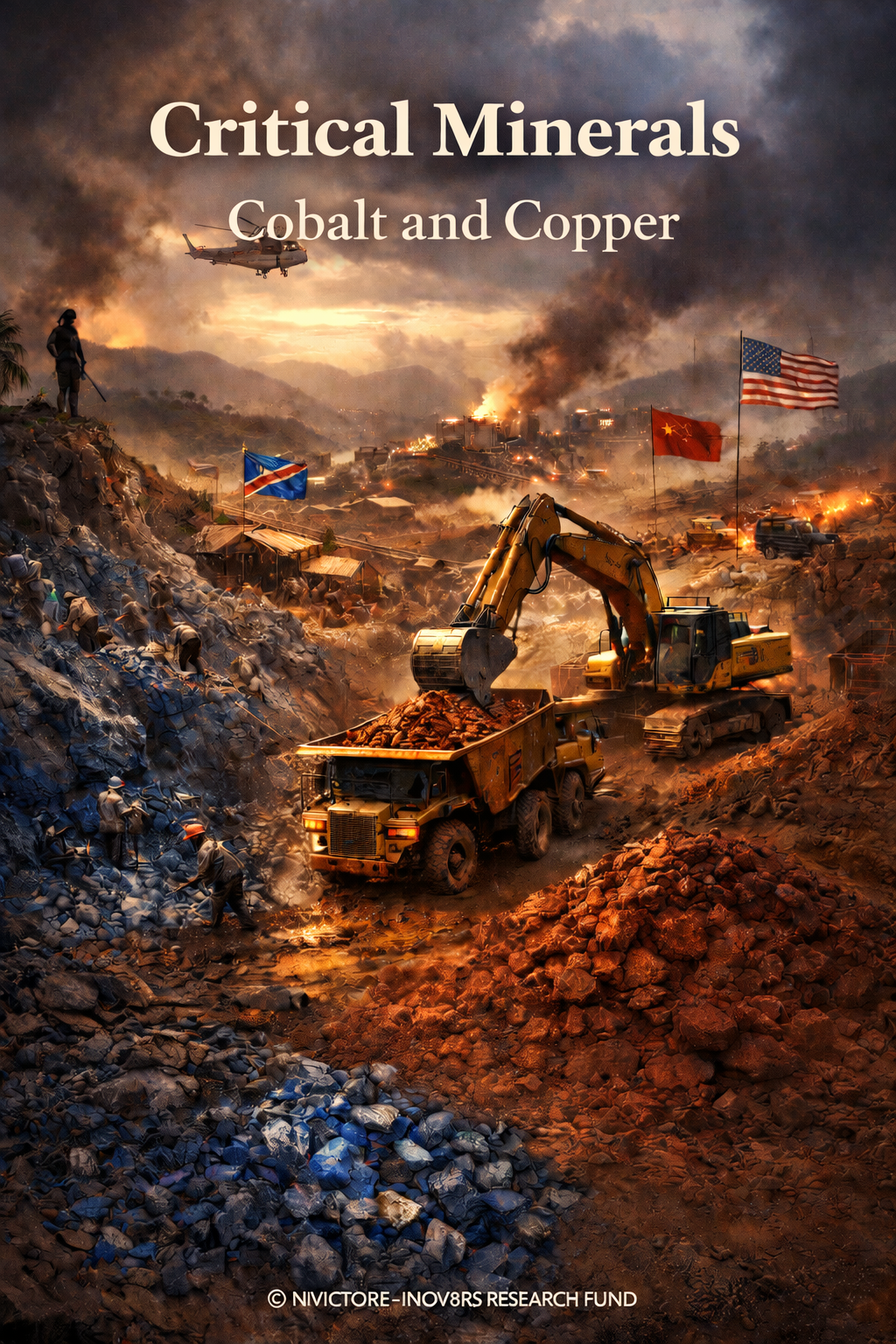
The U.S. has made progress in its push to prise Congo’s strategic minerals from China’s orbit, but conflict, contested licences and compliance demands are still slowing Washington’s advance into a region its rival dominates, diplomats and industry officials said.
Democratic Republic of Congo, which hosts the world’s largest cobalt supply and rich copper and lithium reserves, is central to the U.S. push to cut the West’s reliance on China for rare minerals.
One U.S. diplomat said Kinshasa is deliberately slowing new deals to push Washington to increase pressure on M23 before any further steps are taken. Reuters could not independently verify the claim.
The Congolese government did not immediately respond to requests for comment. On background, a senior government official described the allegations as “speculation”.
“The agreement has its own rhythm: a period for receiving offers, a period for negotiation,” the official said. Rwanda, which denies backing M23, did not immediately respond to requests for comment.
The U.S. State Department told Reuters the U.S. remains “deeply concerned” by violence in eastern Congo and is pushing regional partners to reinforce the ceasefire, urging Rwanda to end M23 support and withdraw in line with December’s peace deal.
The department said Washington hopes to see swift progress on key deals, including a proposal for Glencore to sell copper and cobalt assets to the U.S.-backed Orion consortium, U.S.-based Virtus Minerals’ bid for Congo-focused Chemaf, and the extension of the Lobito Corridor railway line.
Kinshasa’s inclusion on the shortlist of the Rubaya mine, which supplies about 15% of global coltan and sits under M23/AFC control, signals Congo wants stronger U.S. action on M23, said Joshua Walker of NYU’s Congo Research Group.
Investment is unlikely while the group holds territory, he said.
U.S. influence on security has already been seen at some mines. Alphamin Resources, opens new tab restarted its Bisie tin mine only after U.S. diplomatic pressure helped ease fighting in territory around the site, though it warns that renewed clashes could threaten access and operations.
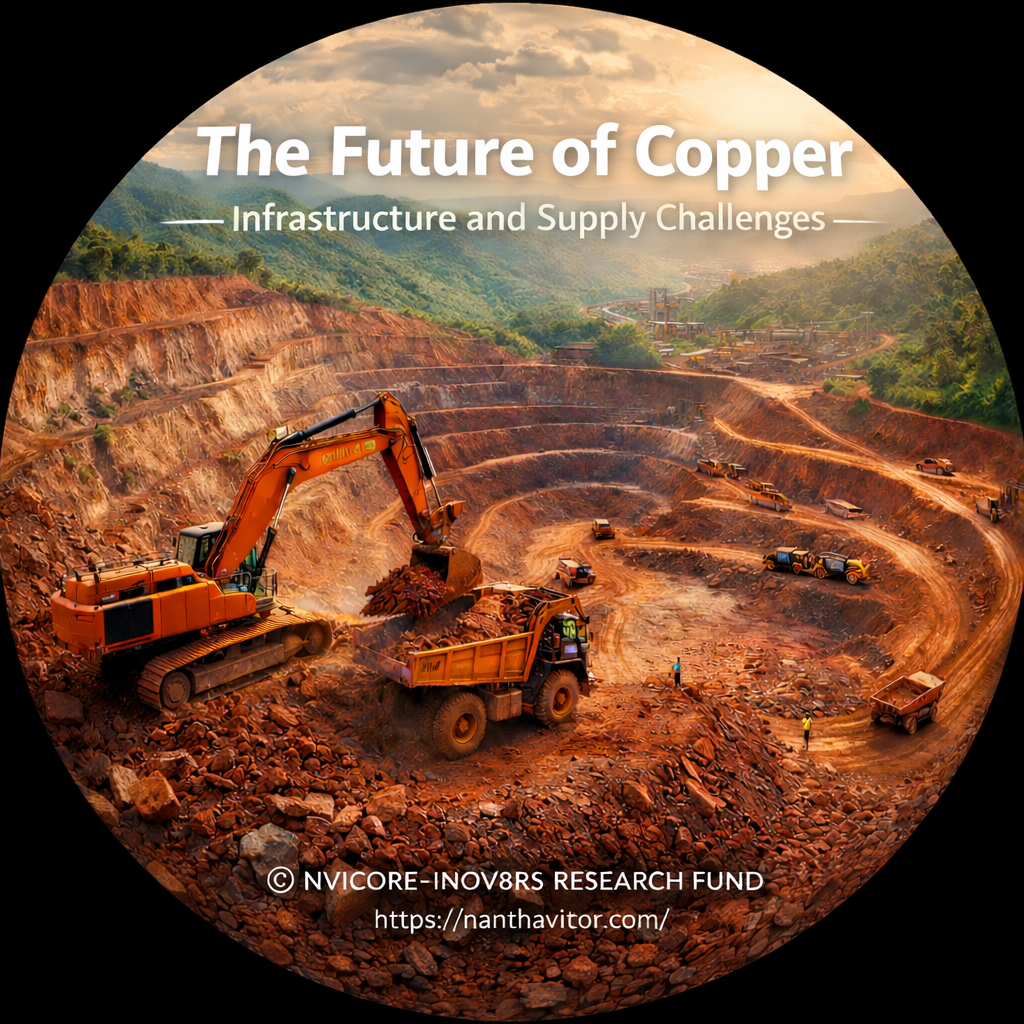
Copper exchange inventories have surpassed 1 million tons for the first time in 21 years. Despite a slowdown in smelter activity and softened demand from China, prices remain elevated, although they have retreated from January highs. This situation stems from a lack of confidence in long-term supply.
We are entering an era characterized by electricity intensity, where copper is no longer just a cyclical industrial input but a fundamental component of the 21st-century economy. Electric vehicles require approximately four times more copper than internal combustion vehicles. Additionally, solar farms, wind turbines, and the grid expansions necessary to connect them are heavily reliant on copper. Hyperscale data centers, which form the physical backbone of AI and cloud computing, are being deployed at an unprecedented pace.
There is a notable disconnect between the lead time required to bring new mine supply online and the demand drivers. A new data center can be constructed in as little as nine months, while establishing a new mine may take over 20 years.
In response, major miners are adapting with strategic focus. Teck’s $53 billion merger with Anglo American plc will create “Anglo Teck,” positioning it as a top-five global copper producer with over 70% exposure to copper. Other companies are opting for organic growth; after its acquisition attempt for Anglo American, BHP Group Limited is prioritizing expansion at Escondida, Pampa Norte, and the Vicuña project. Rio Tinto Plc has allocated 85% of its exploration budget to copper, emphasizing the Oyu Tolgoi expansion in Mongolia. Glencore Plc is also expanding in the DRC, aiming for 300,000 tons annually at Kamoto Copper Company and planning to nearly double output over the next decade.
As supply-side numbers tighten due to existing mines facing surging capital expenditures—estimated at $250 billion over the next decade just to maintain current production—the focus is shifting to emerging markets. The Democratic Republic of Congo (DRC) has emerged as the world surpassing Chile.
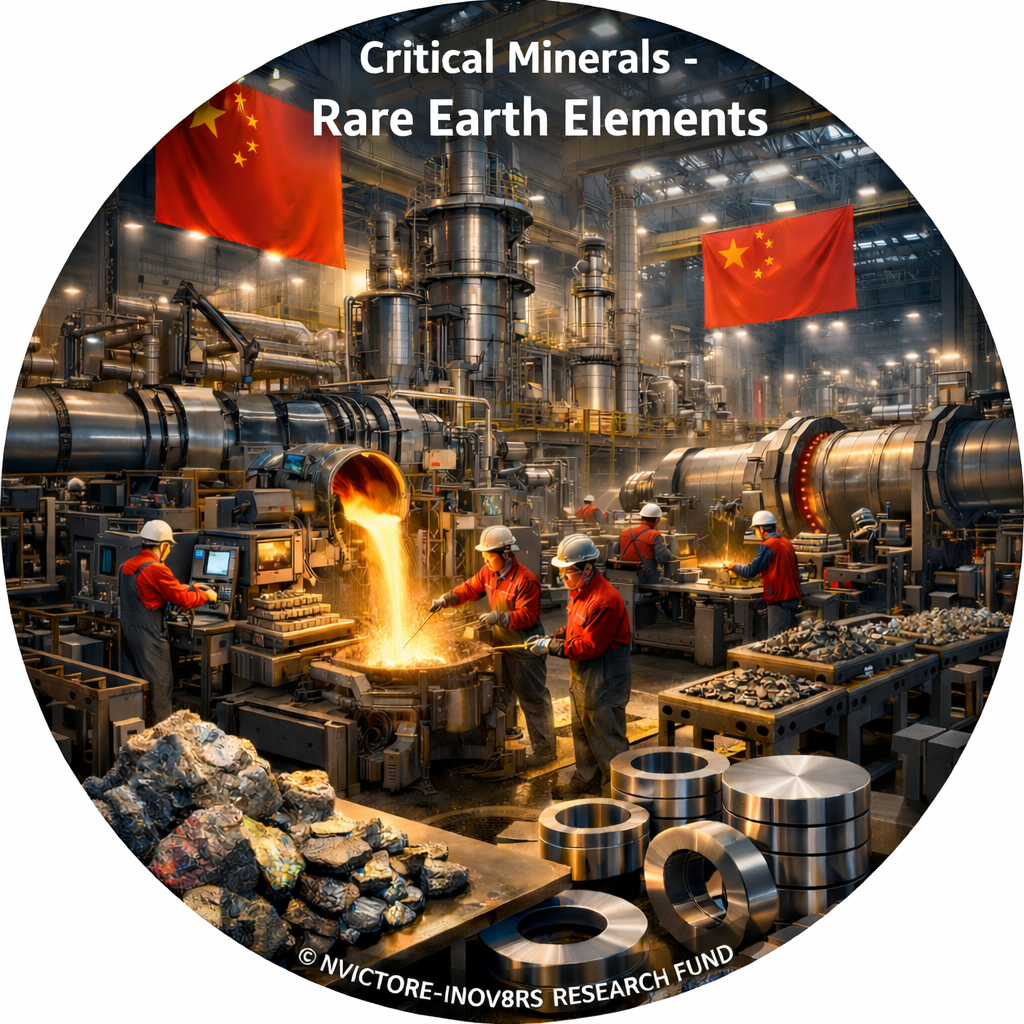
Long before trade wars and tariffs, China secured manufacturing dominance by controlling rare earths – a reality so consequential that the United States and its allies are now pledging more than $8.5 billion just to claw back some control of the supply chain. Companies mentioned in this release include: REalloys Inc., MP Materials Corp.,Sociedad Química y Minera de Chile, Amprius Technologies, Inc., Critical Metals Corp., Nouveau Monde Graphite Inc.
As global manufacturing expanded over the past two decades, rare earth processing was steadily pushed out of Western supply chains. It was capital-intensive, technically demanding, and difficult to defend on short-term economics.
China made the opposite choice, keeping those capabilities in place and methodically expanding them as others exited.
“China didn’t win this by mining. It won by building the entire system–separation, refining, metals, magnets–all connected. Everyone else walked away from it. At that point, control wasn’t up for debate anymore,” REalloys’s CEO Lipi Sternheim said. “North America lost control, and the reality is simple: factories don’t run on ore. They run on metals and alloys and at this moment in time our company is the only one able to actually refine heavy metals and magnets. Our competitors, no matter how well funded they are, are at least 3 years away from production”
Prior to going into mining in unexplored part of the world:
1. We need immediate research and development to improve the existing technologies.
2. Build refineries in the existing mines with infrastructure using developed technologies.
3. Take the price control of the Rare Earth Elements by tariffs or other means until the local refineries optimize the refining processes and operating cost.
We do not want to send the concentrate to another country to do final refining.
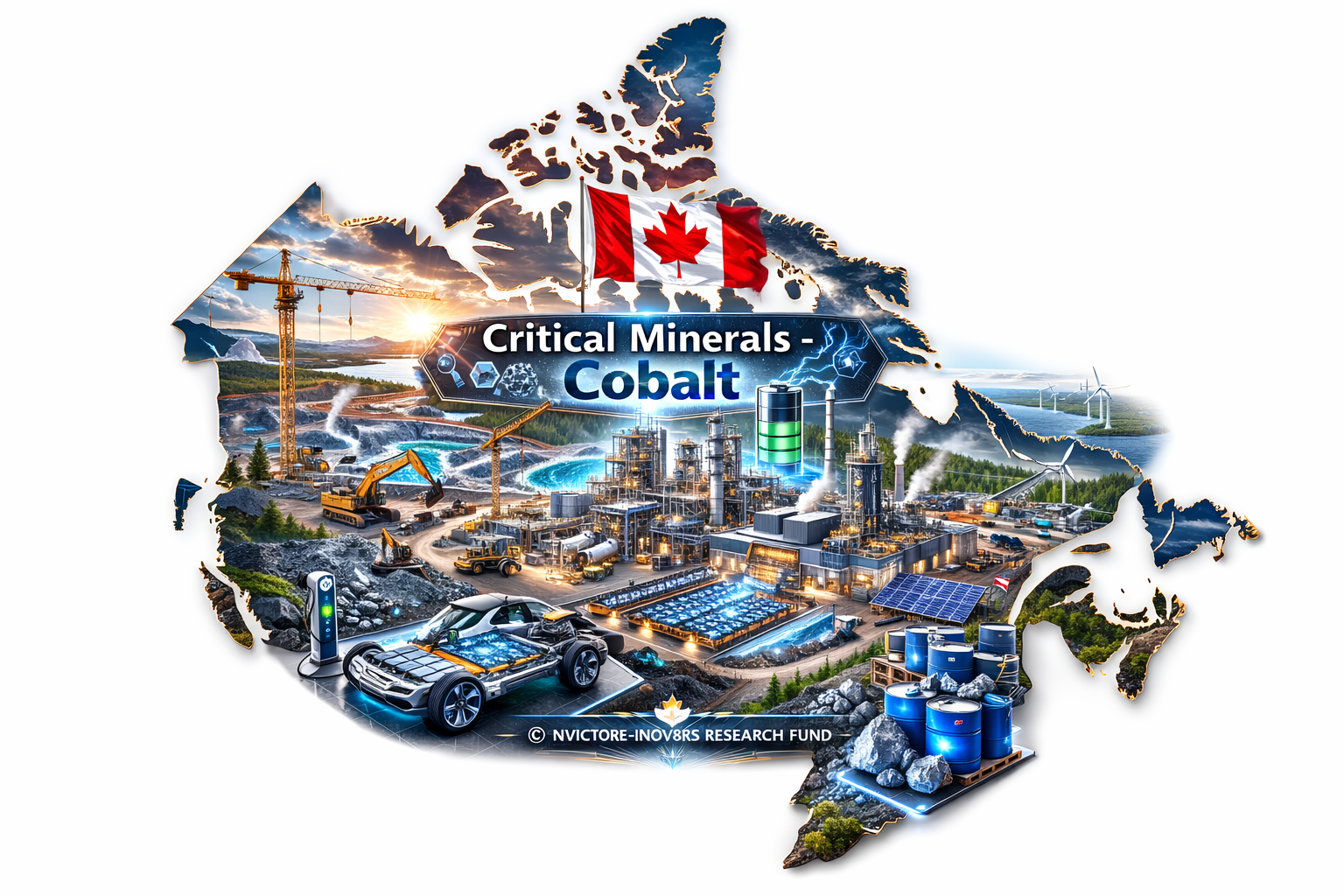
Electra Battery Materials’ board of directors recently approved a US$73 million budget to launch expansion plans for its brownfield site, located on the border of Temiskaming Shores and the Town of Cobalt, Ont.
Once up and running, the refinery will produce refined cobalt, the first produced in North America. Refined cobalt is a key part in manufacturing batteries for electric vehicles.
“We are going to be the first — not just the first in Canada, not just the first northern Ontario, but the first in North America — and so it’s an honour. It’s been a long journey. By this time next year, we’ll be getting close to finalizing construction.”
Company founder and CEO Trent Mell said that parts of the plant will be commissioned later in 2026, with investment and support from all levels of government, including the United States.
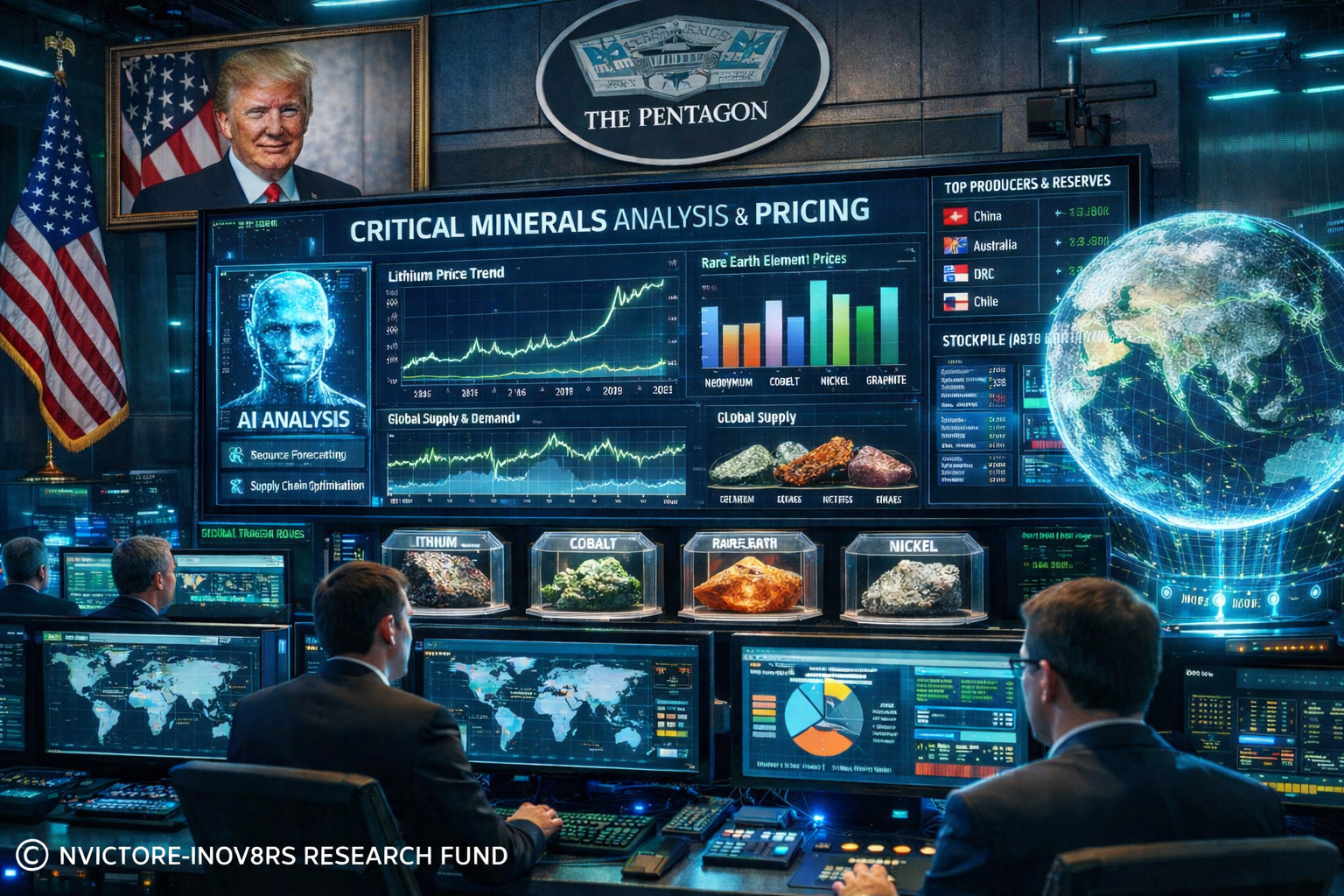
The Trump administration plans to use a Pentagon-created artificial intelligence program to help set reference prices for critical minerals as it works to build a global metals trading zone, three sources with direct knowledge of the effort told Reuters.
Vice President JD Vance earlier this month proposed that the U.S. and more than 50 other countries impose “reference prices for critical minerals at each stage of production” that would be backed by “adjustable tariffs to uphold pricing integrity.”
Those reference prices will be set by the U.S. Department of Defense’s Open Price Exploration for National Security (OPEN) AI metals program, according to the sources, who were not authorized to speak publicly.
The move sheds light on how the administration aims to shape market pricing, even as the AI technology has faced skepticism for whether it can retool how critical minerals are bought and sold.
The OPEN program was launched in 2023 by the Pentagon’s Defense Advanced Research Projects Agency (DARPA) with the goal of calculating what a metal should be priced at when labor, processing and other costs are factored in and when alleged Chinese market manipulation is factored out.
The processes currently available in North American and Europe to refine light and heavy rare earth elements do not meet the economic and environmental standard.
Prior to going into mining in unexplored part of the world:
1. We need immediate research and development to improve the existing technologies.
2. Build refineries in the existing mines with infrastructure using developed technologies.
3. Take the price control of the Rare Earth Elements by tariffs or other means until the local refineries optimize the refining processes and operating cost.
We do not want to send the concentrate to another country to do final refining.
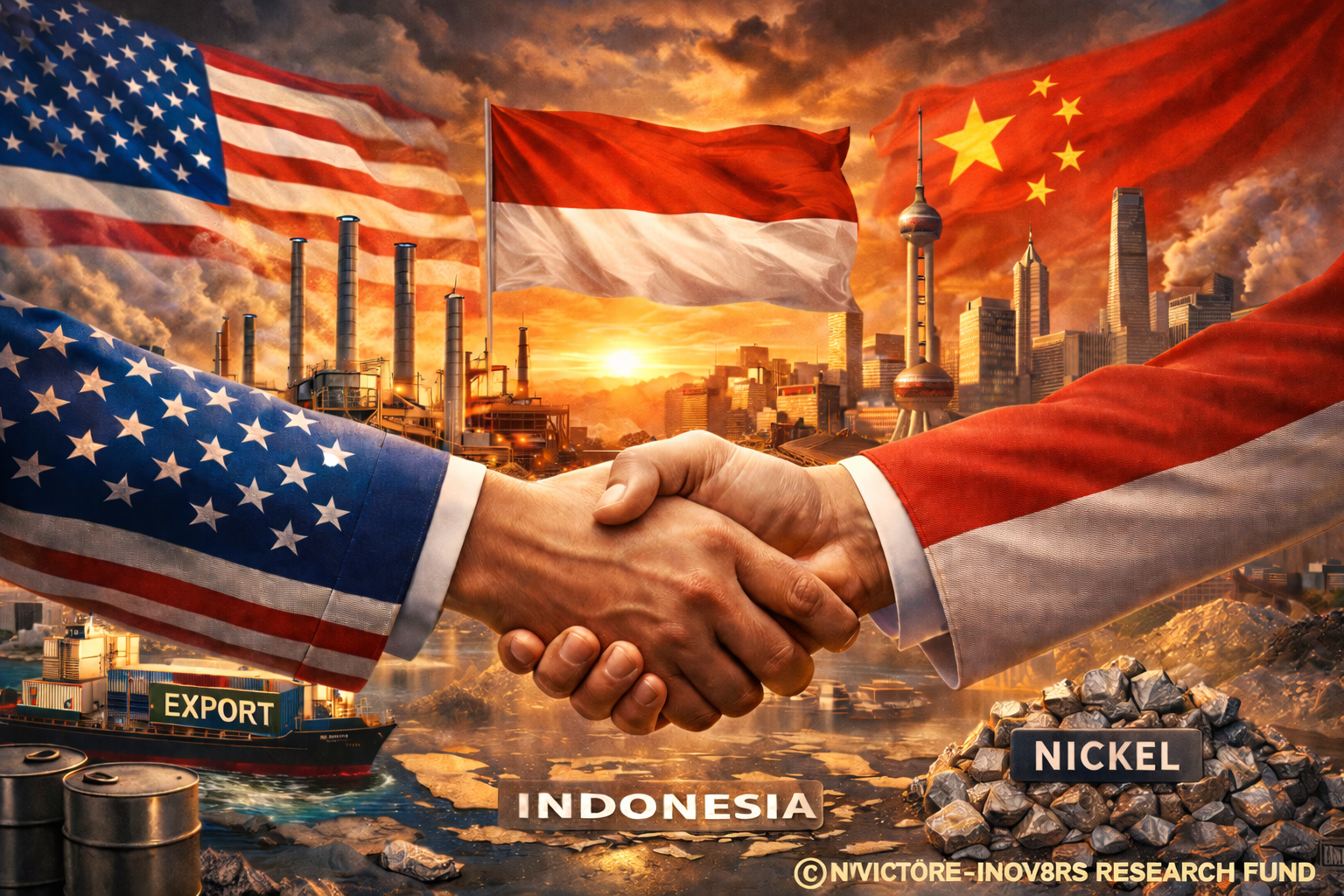
China will accelerate investment in alternative nickel supply sources and strengthen its role across the metal’s wider supply chain, analysts said, after the United States finalised a deal with Indonesia recently that will give America unrestricted access to the country’s industrial commodities.
While the US Supreme Court’s tariff ruling could add some uncertainty to US-Indonesia trade, the agreement has the potential to reshape the global supply chain for nickel – a metal used to make stainless steel and some electric vehicle batteries.
“[The US-Indonesia deal] is quite important and China will not like it,” said Alicia Garcia-Herrero, chief economist for the Asia-Pacific region at Natixis. “China does have leverage through its big stake in Indonesian nickel mines and could try to retaliate by slowing tech transfers or pulling back investment.”
Indonesia has emerged as a decisive player in the nickel market in recent years, accounting for more than 60 per cent of global mine supply for the metal, according to a Goldman Sachs article published last week.
Chinese investment has supported Indonesia’s expansion in nickel processing capacity, reinforcing the nation’s growing influence on the market, the article added.
The recent rally in global nickel prices – which saw the price of the base metal jump more than 30 per cent between mid-December and January – was largely driven by Indonesia’s decision to restrict how much ore could be mined, Goldman Sachs said.











 A Blog for Browsing Mining, Mineral Processing, and Metals Info