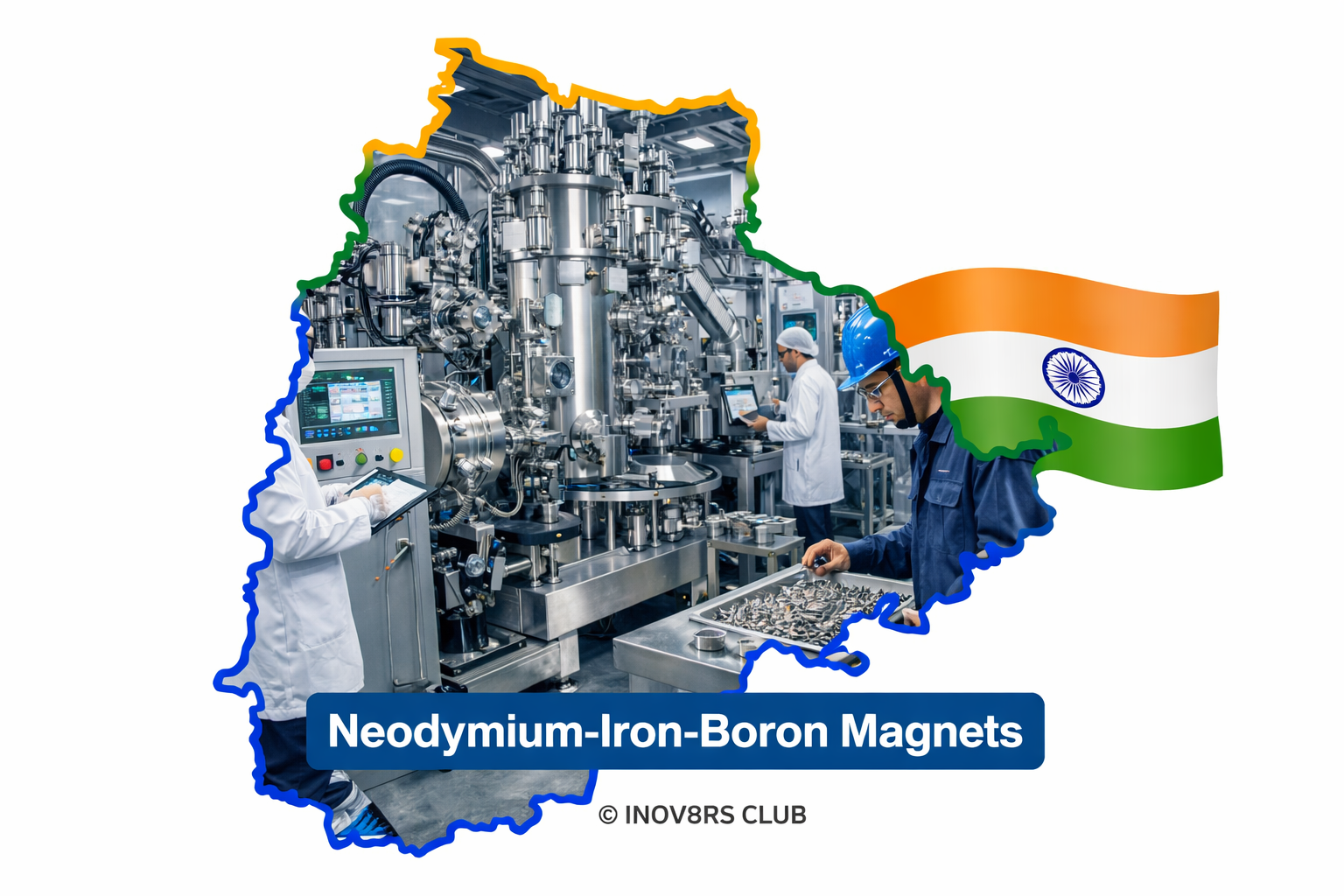
#Nd-Fe-B #RareEarth Permanent Magnets Development- Pilot Plant Established at #ARCI #Hyderabad


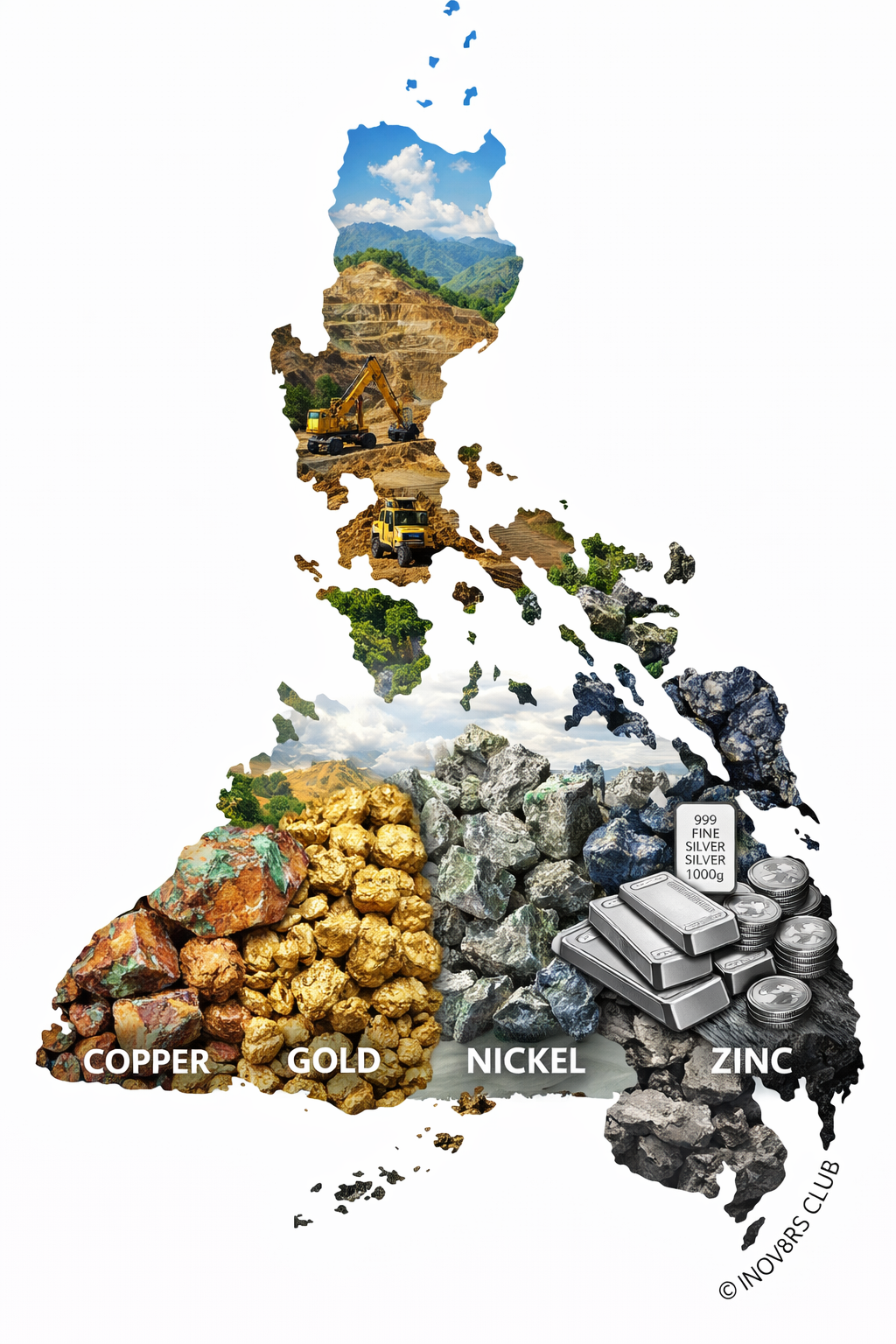
Without a proper road map to grow its mining sector, the country remains a ‘second-tier mineral economy’.
As the Philippines forms partnerships with several countries to harness its potentially huge wealth of critical minerals, analysts have called for a coherent road map to develop the country’s mining industry to globally competitive standards.
President Ferdinand Marcos Jnr’s administration has signed multiple agreements over the past months, including a memorandum of understanding with the United States to cooperate on diversifying global critical mineral supply chains.
The accord, signed during an inaugural ministerial meeting on critical minerals hosted by Washington last month, is expected to shift Manila’s mining sector from raw mineral ore exports to domestic processing.
Talks on a critical minerals deal between the Philippines and Canada are also in progress. Earlier this month, a delegation from the Philippines took part in the Prospectors and Developers Association of Canada Convention in Toronto, a key gathering for the global mining industry.
Philippines could tap huge global opportunities to grow its industry, as it possessed the world’s fifth-largest mineral reserves, with an estimated US$1 trillion in untapped supplies of copper, gold, nickel, zinc and silver.
Only about 5 per cent of these reserves have been explored, and mining contracts cover just 3 per cent of mineralized areas. At the same time, global demand for these resources, driven by climate change mitigation, clean energy and the broader energy transition, is expected to remain strong for the foreseeable future.
Read more at: https://www.scmp.com/week-asia/economics/article/3347369/why-philippines-struggles-tap-its-us1-trillion-mineral-wealth

Published by Cambridge Industrial Innovation Policy, based at the Institute for Manufacturing (IfM), the UK Innovation Report offers a detailed analysis of the UK’s innovation landscape, assessing the performance of key industrial sectors compared to global competitors.

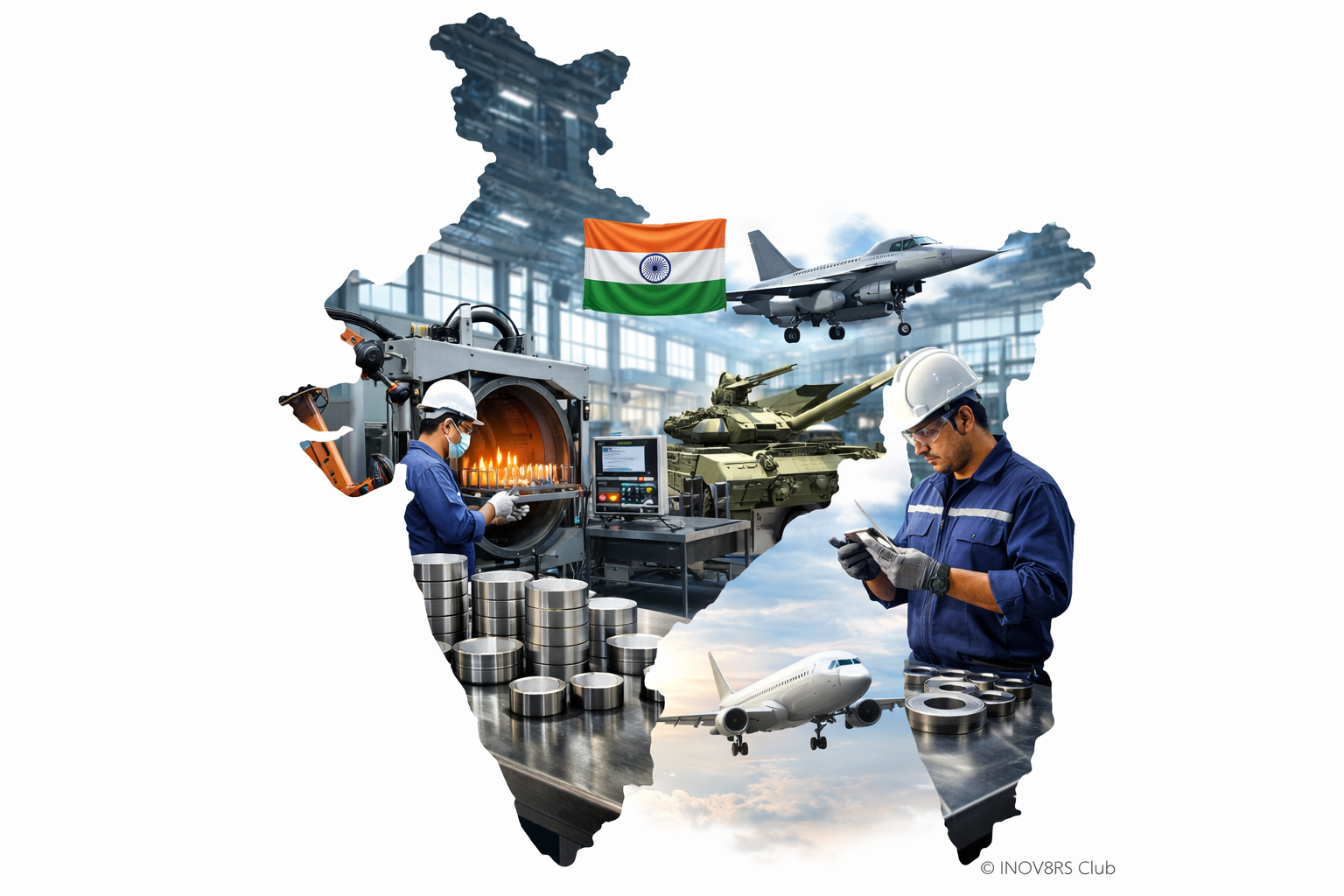
The Ministry of Heavy Industries is likely to call for bids under the Scheme to Promote Manufacturing of Sintered Rare Earth Permanent Magnets (REPM) Friday. Officials said the Rs 7,280 crore scheme will promote domestic manufacturing of 6,000 million tonnes per annum (MTPA) of magnets, strengthening supply chains for the automotive, defense, and aerospace sectors.


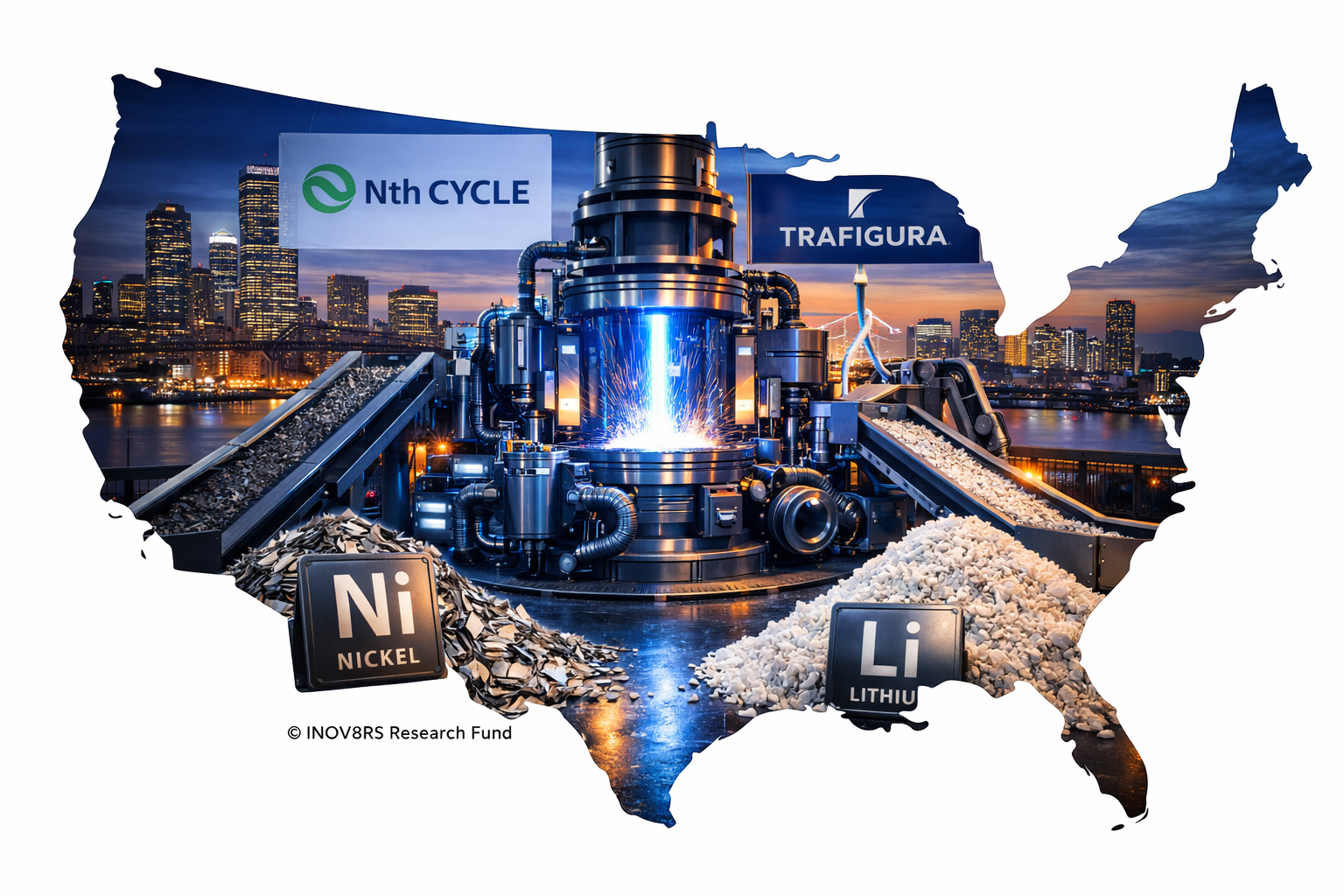
Metal recycling startup Nth Cycle of Burlington says it’s struck a deal with Singapore-based metals trading company Trafigura to deliver $1.1 billion in recycled nickel and lithium over the next decade.
Nth Cycle, which operates a recycling plant in Ohio, plans to add capacity by building facilities in South Carolina and the Netherlands. The deal was announced at an energy security forum in Tokyo co-hosted by the Japanese and US governments, in an effort to reduce the two nations’ dependence on China for access to critical metals.
Nth Cycle is the second local recycling company to team up with Trafigura, which is scrambling to meet surging global demand for lithium, cobalt, nickel, and other scarce metals that are vital in high-tech manufacturing.
Read more at: https://www.bostonglobe.com/2026/03/17/business/lithium-nickel-cobalt-recycling-us-china/

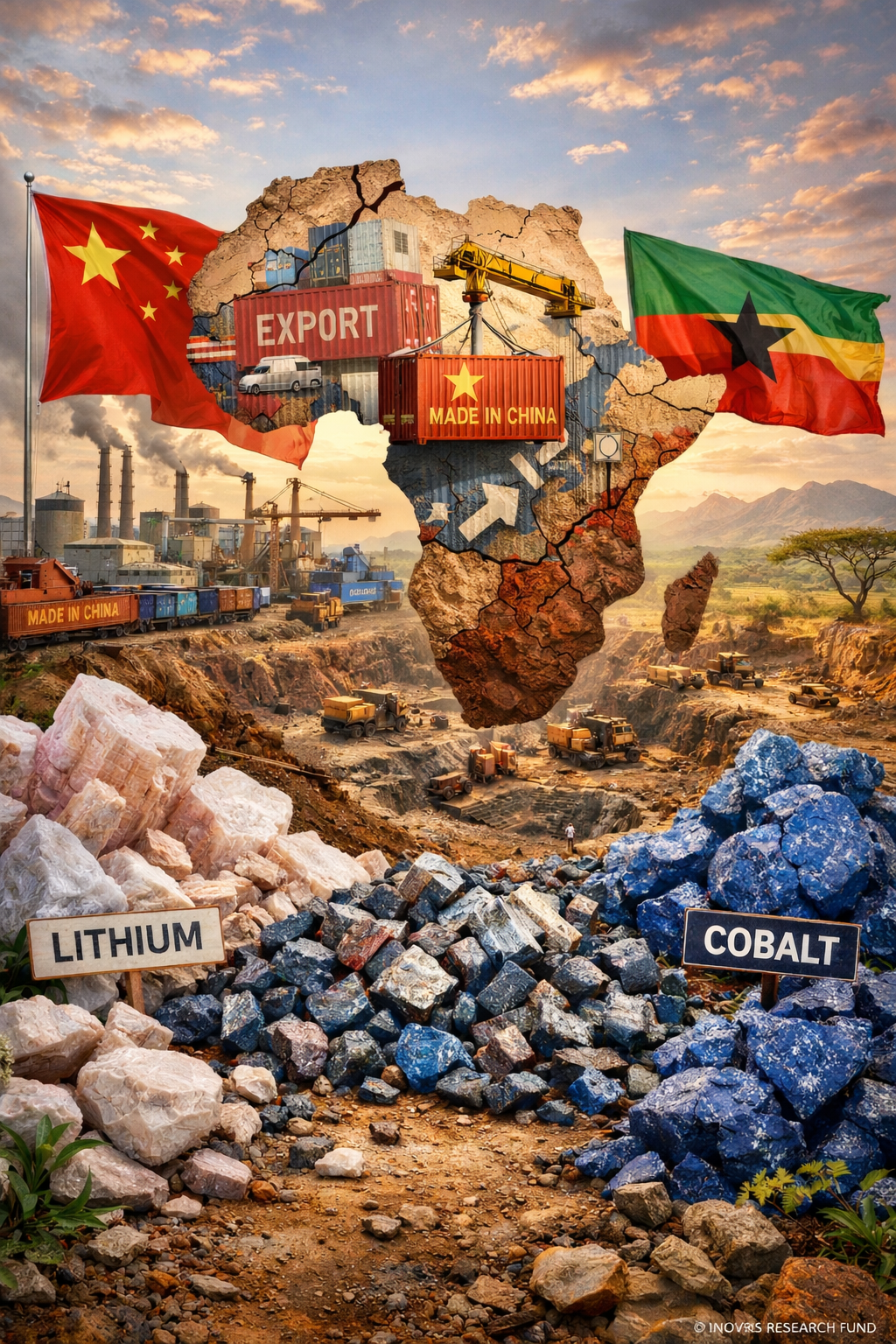
Resource-rich African nations are increasingly asserting control over critical minerals to maximise domestic returns, sending global prices soaring and exerting pressure on Chinese supply chains.
One price crunch started last month when Zimbabwe, Africa’s biggest lithium producer, abruptly suspended exports of raw lithium minerals and concentrates.
Chinese battery producers, which rely on Zimbabwe for about 15 per cent of their total lithium concentrate supply, were hit particularly hard.
The Democratic Republic of Congo (DR Congo) has also sought to extract higher returns from its mineral sales, imposing cobalt export controls last year following a sharp decline in global prices. The embargo was eventually replaced in October by a quota system to rebalance the market, with Kinshasa setting limits of 96,600 tonnes this year.
Although China dominates the processing of cobalt, an essential metal used in batteries for electric vehicles and other electronics, it depends heavily on the DR Congo for raw materials.
Namibia prohibited unprocessed mineral exports in 2023, while Tanzania and Malawi issued mandates for in-country refining and raw export bans last year. Ghana has set a 2030 deadline to halt raw bauxite and lithium shipments for its domestic battery industry.
Read more at: https://www.scmp.com/news/china/diplomacy/article/3346717/chinas-supply-chain-meets-wall-african-resource-nationalism

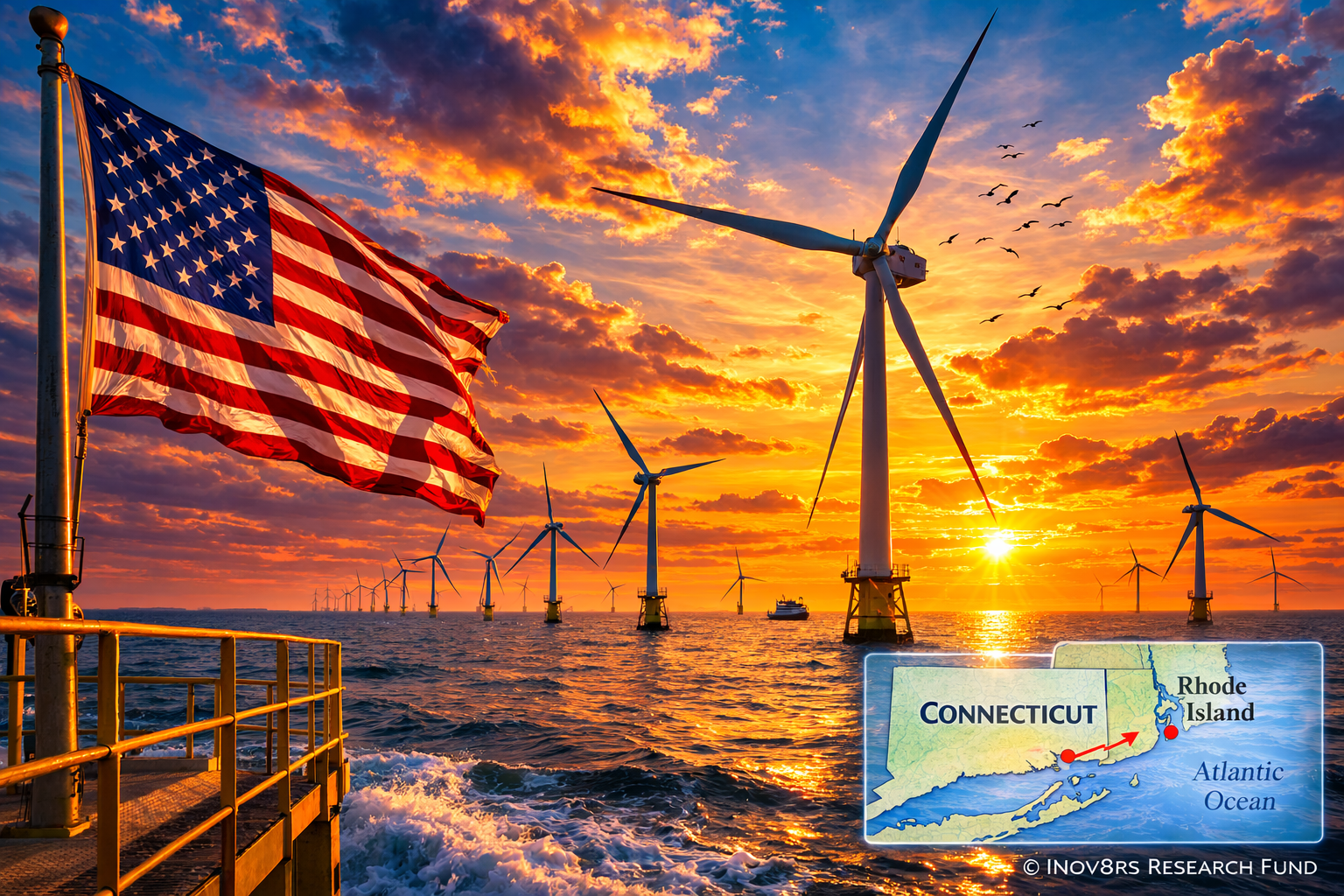
In the US offshore wind farm energy is making news during the current energy crunch.
Will it be enough to break through administrative mind set to support more funding for renewable energy?

The US, Japan and the European Union are set to announce plans in the coming weeks to lay the foundation for a trade agreement in critical minerals, according to people familiar with the preparations.
The Office of the US Trade Representative, which has led negotiations with Brussels and Tokyo on the framework, will also head talks for a trade deal that is set to include a price floor and tariffs for the materials to counter any market distortions by China, said the people, who spoke on the condition of anonymity.
Global efforts to diversify critical minerals supply chains intensified after Beijing last year imposed sweeping export controls, including on rare earths and critical minerals, in response to President Donald Trump’s so-called Liberation Day tariffs, which set a 10% levy on nearly all American imports.
Beijing has threatened it would retaliate against the formation of a bloc that would target its exports.
The supply crunch has eased somewhat since its worst point last summer and fall, but companies still complain that they don’t receive the quantities they need and have ordered from Chinese suppliers.
Read more at: https://www.mining.com/web/us-advance-critical-minerals-talks-with-eu-japan-on-price-floor/

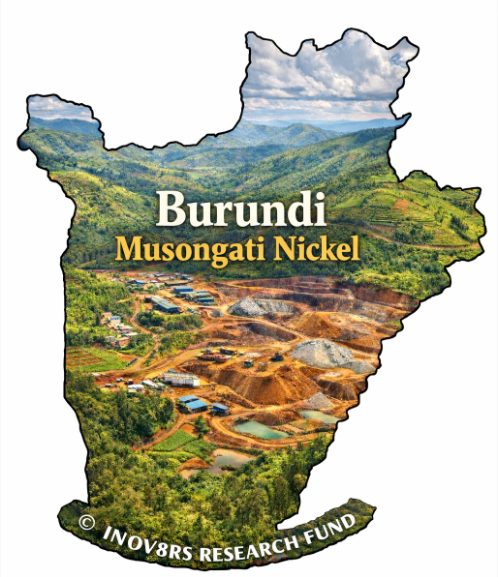
Lifezone Metals said post-market Tuesday it signed an exclusivity agreement with Burundi’s government over the Musongati nickel laterite project, located in Burundi and part of the larger East African Nickel Belt, which also includes the company’s Kabanga nickel project.
The Musongati Nickel Project is Burundi’s most important nickel deposit and sits within the world-class NE-SW-trending line of mafic-ultramafic intrusions known as the Kabanga-Musongati Alignment of the East African Nickel Belt, the company said.
Lifezone said the 14-month exclusivity agreement allows it to commit its expertise and resources to assess the Musongati nickel laterite project within this initial exclusivity phase, as the company heads to a final investment decision on its key Kabanga nickel project in neighboring Tanzania.
A 2011 study defined a resource of more than 140M tons, making Musongati a major, large-tonnage, open-pittable resource.

 A Blog for Browsing Mining, Mineral Processing, and Metals Info