Category Archives: Metal Recycling

Recycling needed to meet #Europe’s green metals needs-study

LONDON, April 25 (Reuters) – The European Union is likely to suffer severe shortfalls in lithium, rare earths and other metals needed to cut carbon emissions, but recycling could help plug the gap from 2040, according to a study released on Monday.

The issue has become even more critical due to the EU’s recent efforts to become less dependent on Russia for energy, the study commissioned by industry group Eurometaux said.

“The global energy transition is progressing faster than the mining project pipeline, with copper, cobalt, lithium, nickel, and rare earths all at risk of a disruptive demand pull between now and 2035,” said the study by Belgium’s KU Leuven University.

The EU’s pledge to cut net greenhouse gas emissions to zero by 2050 will require large amounts of metals and minerals to roll out electric vehicles and wind turbines.

The study said the bloc will need 35 times more lithium and seven to 26 times more rare earths by 2050, used in EV batteries and motors respectively.

“Europe needs to decide urgently how it will bridge its looming supply gap for primary metals,” said lead author Liesbet Gregoir.

Read more at: Recycling needed to meet Europe’s green metals needs-study | Reuters

Development of new magnet that reduces use of rare-earth element by 30%

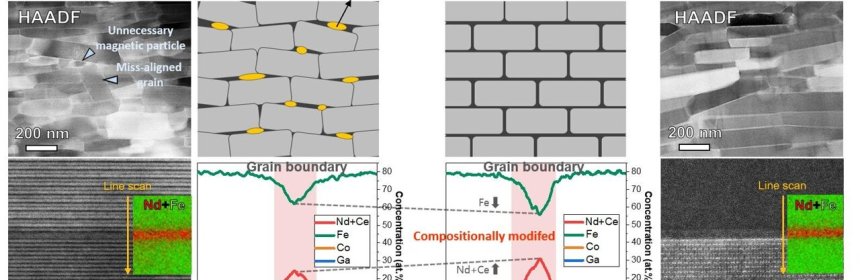
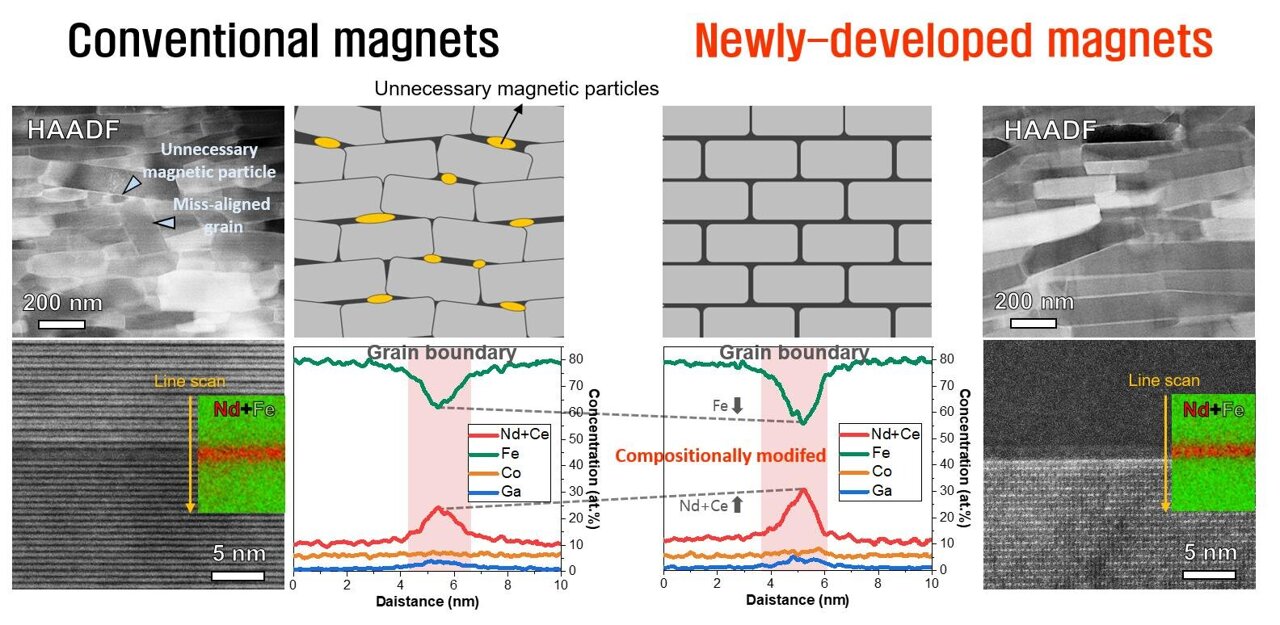
Neodymium is an expensive and unstably supplied material, but it is essential for manufacturing rare-earth permanent magnets. In order to develop an Nd-reduced permanent magnet, the content of cerium (Ce), an inexpensive element, was increased, instead of reducing the content of Nd. Until now, with the increased content of Ce, deterioration of the magnetic properties was inevitable. The research team focused on clarifying the reason for and mechanism of the deterioration of the magnetic properties caused by the increased Ce content, and they successfully solved the problem of rare-earth-reduced permanent magnets by controlling the atomic-scale microstructure.

The researchers discovered that unnecessary magnetic particles were formed during the manufacturing process, the underlying reason for the deterioration of the magnetic and microstructural properties of the magnets. They modified the microstructure and enhanced the magnetic properties by preventing the diffusion of atoms so that the formation of unnecessary magnetic particles is suppressed.

The research team applied the melt-spinning method and the hot-deformation method, which have very fast cooling rates compared to the conventional process, to the process of fabricating rare-earth-reduced precursors and final bulk magnets, respectively. As a result, they succeeded in optimizing the microstructure of the magnets by suppressing the formation of unnecessary magnetic particles. In addition, they were able to simultaneously improve the residual magnetization and coercive force, which are the main properties of permanent magnets.

Read more at: Development of new magnet that reduces use of rare-earth element by 30% (phys.org)

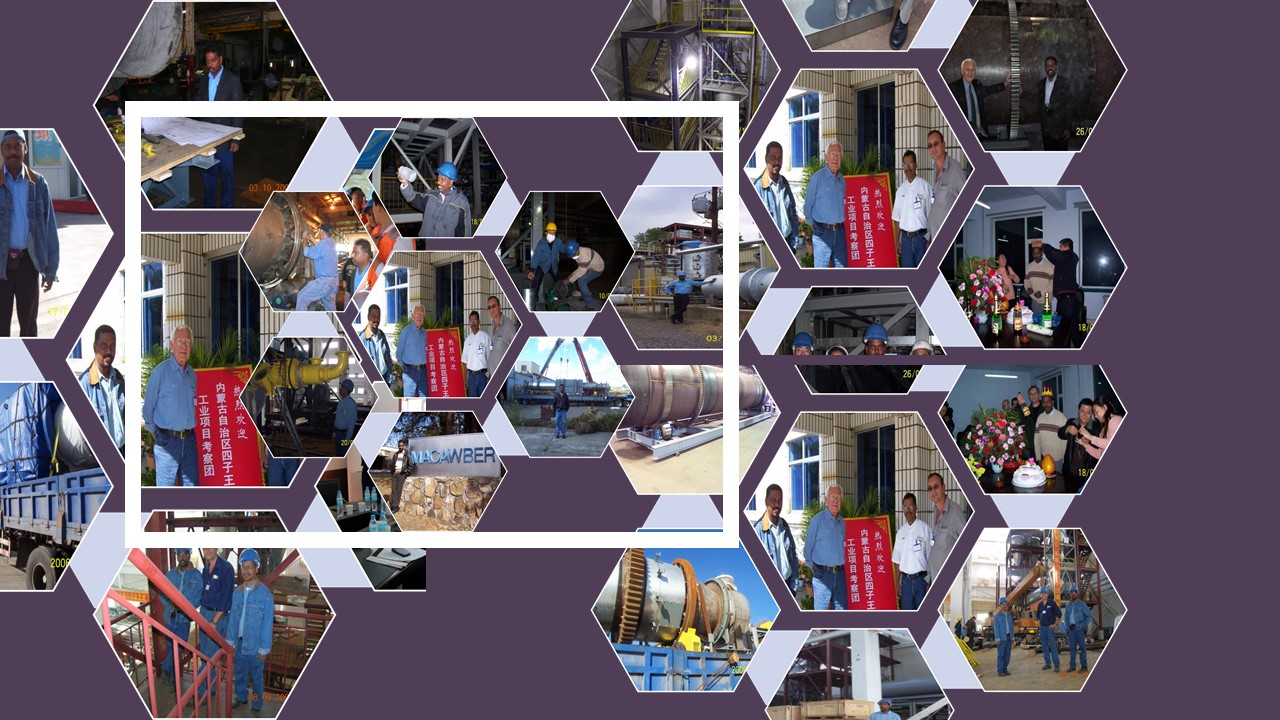
15 Years Ago….. Commissioning a Nickel Carbonyl Refinery.

Commissioning a Nickel Carbonyl Refinery

How #Trudeau proposes to make #Canada a key supplier of critical minerals

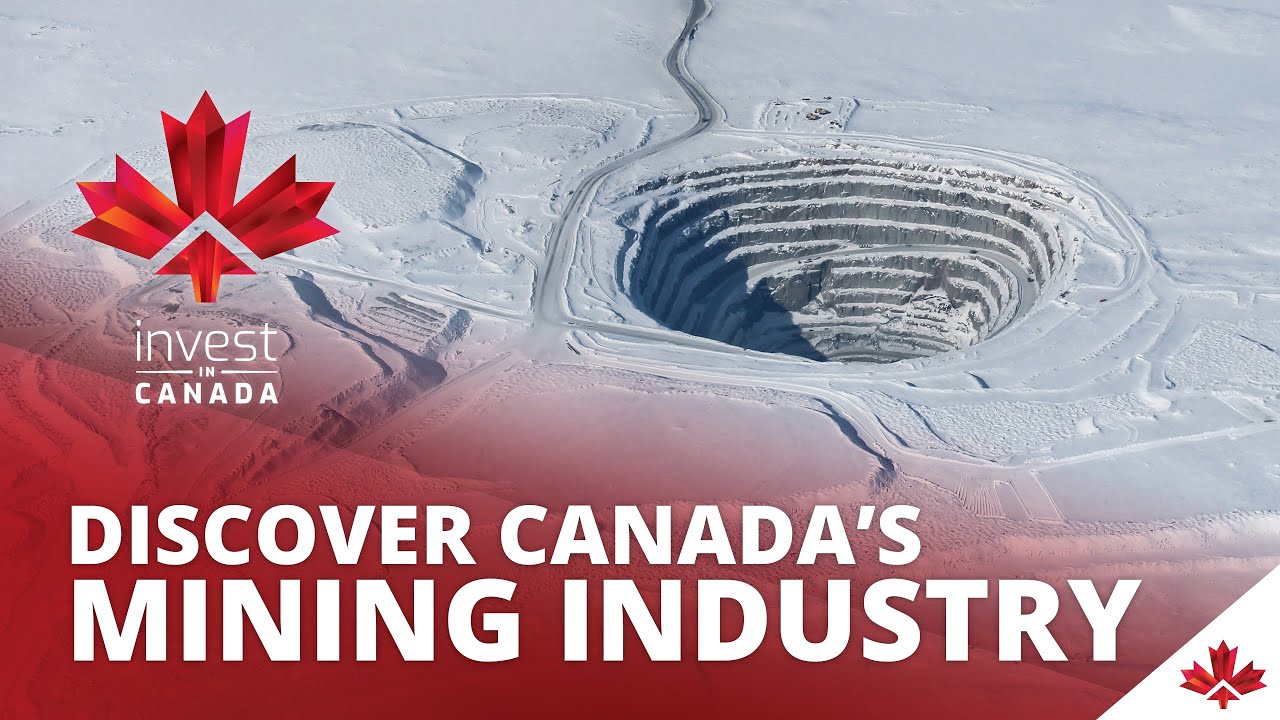
Chrystia Freeland’s second budget as finance minister proposes billions of dollars in new spending to incentivize more mining of critical minerals through investments in infrastructure, tax credits for exploration, and funding to help attract the downstream industries that turn those minerals into products such as electric vehicles and battery cells.

Critical minerals include not only the lithium, nickel and cobalt used in batteries, but a far wider array of elements, from copper to manganese. The budget proposes allocating at least $3.8 billion in cash, plus more in tax credits, between now and 2030, to develop a supply chain of critical minerals. Whether that investment sounds like too much money, or far too little, depends on how you view the threats posed by climate change and the urgency of the energy transition.

Much of the strategy outlined in the budget hinges on the idea that creating a supply chain will help attract industrial investment to Canada, and thus boost future economic growth. To that end, Prime Minister Justin Trudeau’s government would spend up to $1.5 billion by 2030 on the infrastructure needed to get those materials from the ground to factories.

Read more at: https://financialpost.com/commodities/energy/how-trudeau-proposes-to-make-canada-a-key-supplier-of-critical-minerals

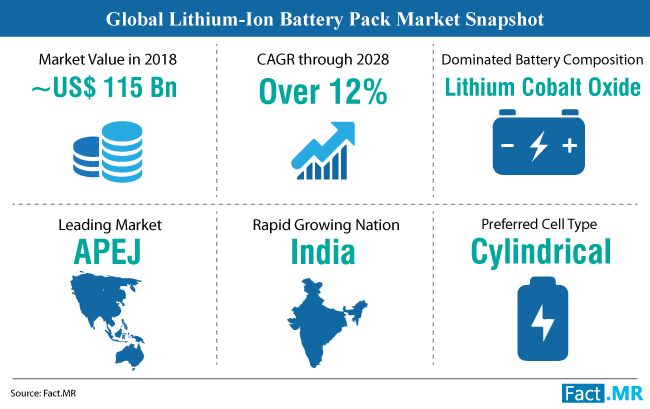
India: Simple Energy invests $150M on Lithium ion cell factory

Chennai: Electric vehicle startup Simple Energy, which is setting up its EV factory at Hosur (Tamil Nadu), will invest $150 million (around Rs 1136.5 crore) on a lithium ion cell manufacturing unit. The company has tied up with US-based battery company C4V for technology and knowhow.

Simple Energy’s flagship product, Simple One, will be produced at Phase I of the company’s manufacturing unit located at Hosur which has an annual production capacity of up to one million units. The factory will be operational in the coming weeks. The company has also commissioned a second plant in Dharmapuri, Tamil Nadu, which will have a capacity of 12.5 million units annually as part of its Phase 2 ramp up.

Read more at: https://timesofindia.indiatimes.com/business/india-business/simple-energy-invests-150-mn-on-lithium-ion-cell-factory/articleshow/90693184.cms

President #Biden Poised to Use Cold-War Powers to Boost Battery Metals

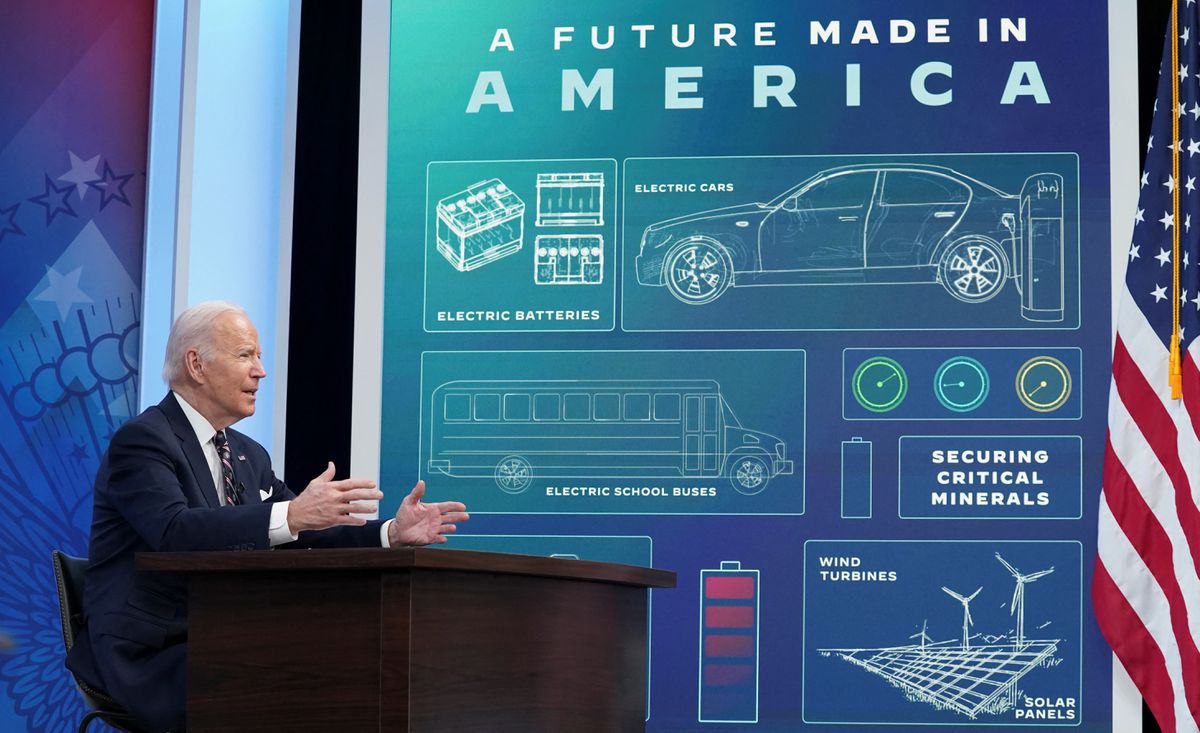
President Joe Biden plans Thursday to invoke Cold War powers to encourage domestic production of critical minerals for electric-vehicle and other types of batteries, according to people familiar with the matter.

Adding minerals like lithium, nickel, graphite, cobalt and manganese to the list could help mining companies access $750 million under the Defense Production Act’s Title III fund, the people said. The move also could aid recycling of battery materials, one of the people said.

Read more at: https://www.bloomberg.com/news/articles/2022-03-30/biden-poised-to-invoke-cold-war-powers-to-boost-battery-metals

#India to invest in exploring #lithium, #cobalt mines in #Australia.

NEW DELHI — India has committed to jointly invest $6 million with the Australian government to explore lithium and cobalt mines in Australia over the next six months, in a bid to firm up supplies of key minerals needed to further its electric vehicle plans.

India’s KABIL, a mining joint venture between state-run firms National Aluminium Co, Hindustan Copper Ltd and Mineral Exploration Corp Ltd, has signed a preliminary agreement with Australia’s Critical Minerals Facilitation Office (CMFO), the Indian government said on Tuesday.

The move comes at a time when India is offering $2.4 billion of incentives for companies to build battery cells locally for electric vehicles. Lithium, whose price has surged in the recent days, is a key raw material used to make electric vehicle batteries.

Read more at: https://financialpost.com/pmn/business-pmn/india-to-invest-in-exploring-lithium-cobalt-mines-in-australia

#Eramet, #Suez eye #EV battery recycling in #France by 2024

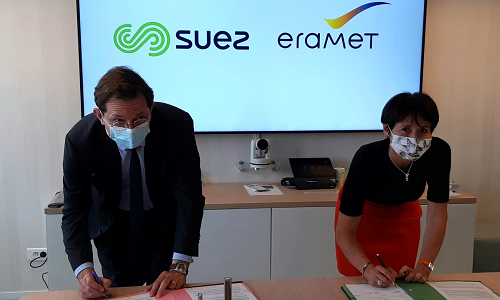
PARIS, March 16 (Reuters) – French mining group Eramet (ERMT.PA) said on Wednesday it could develop jointly with Suez a recycling facility in France for electric vehicle batteries by 2024.

Eramet, a major producer of nickel and manganese for the steel sector, has focused increasingly on materials for electric vehicles.

In addition to large mine deposits in Indonesia and Argentina, it sees recycling as contributing to its potential to cover 20% of the European Union’s nickel requirements, 25% of the bloc’s lithium needs and 12% of its cobalt demand for EV batteries by 2030.

The joint project would produce black mass, a metal concentrate containing nickel, cobalt, manganese, lithium and graphite that is suitable for hydrometallurgical refining.

Read more at: https://www.reuters.com/technology/eramet-suez-eye-ev-battery-recycling-france-by-2024-2022-03-16/

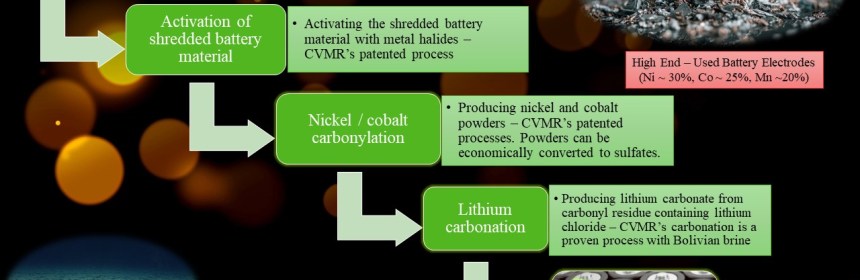
Sourcing Green EV Materials – Sea Nodules to Used Battery Electrodes

#Reuters: Don’t take #Russia back to 1917, #Russian metals king #Potanin

LONDON, March 11 (Reuters) – Confiscating the assets of companies that have fled Russia since the invasion of Ukraine would shatter investor confidence for decades and take Russia back to the calamitous days of the 1917 Bolshevik revolution, metals magnate Vladimir Potanin has said.

Potanin, president and biggest shareholder of Norilsk Nickel (GMKN.MM), the world’s largest producer of palladium and refined nickel, said Russia should respond with pragmatism to its exclusion from swathes of the global economy.

Read more at: Don’t take Russia back to 1917, Russian metals king Potanin warns | Reuters

« Older Entries Recent Entries »