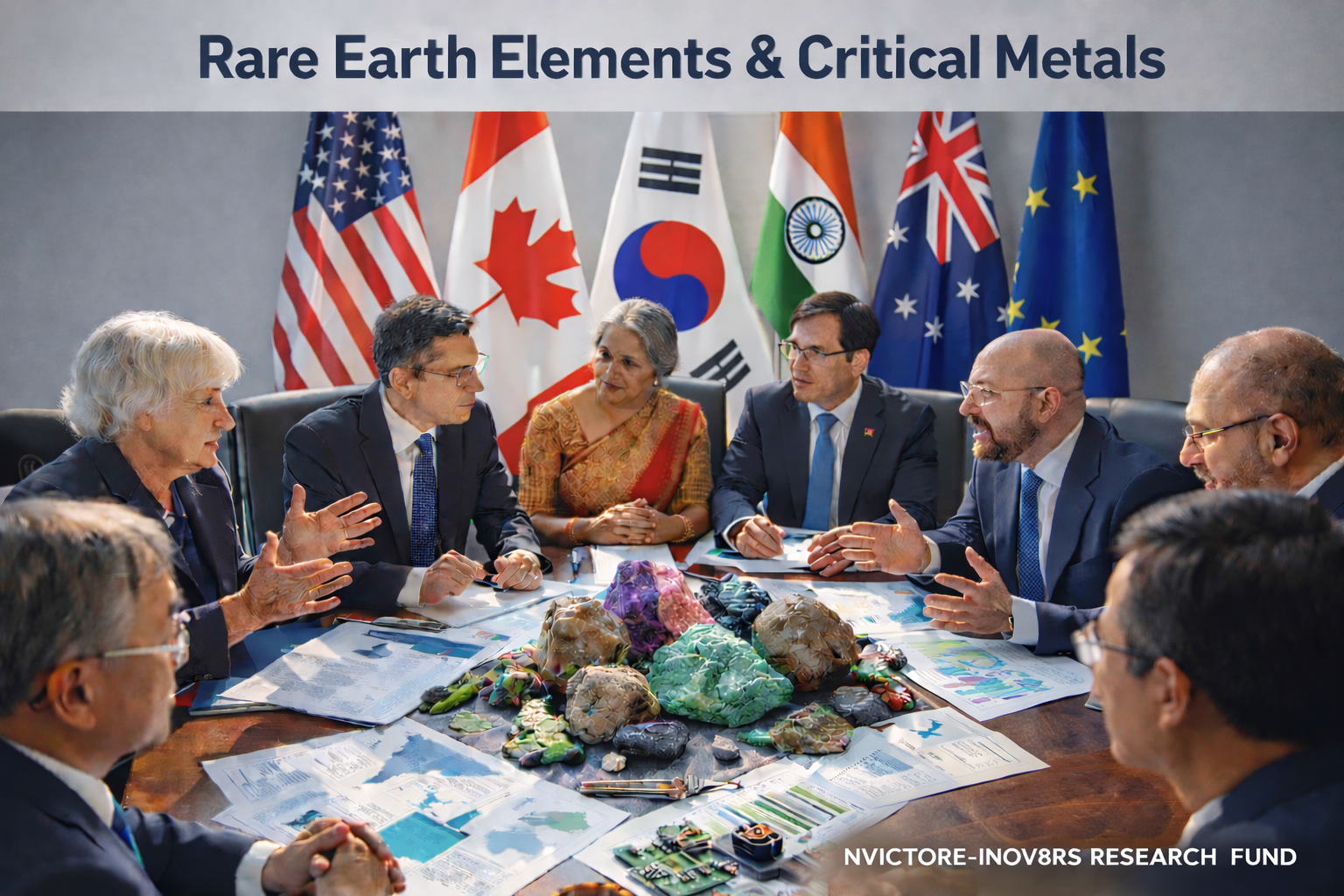
A US-led meeting with its allies to reduce the global reliance on rare earths from China was an “easy sell”, even as analysts warn that such an ambitious goal would depend on their long-term investment commitments and ability to narrow differences over national policy.
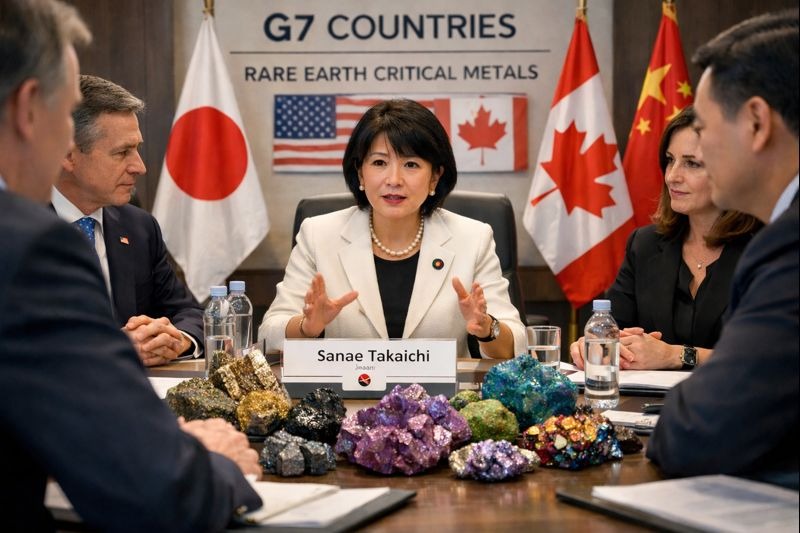
On Monday, the US hosted a meeting in Washington with G7 finance ministers and other allies, including Australia, India, South Korea and the EU, to address vulnerabilities in the rare earth supply chain, as they close ranks against what they perceive as coercive Chinese control of the export of the critical minerals.
The agenda items included proposals to set price floors to make non-Chinese rare earth projects more viable and explore new partnerships for alternative supplies.
Prior to going into mining in unexplored part of the world:
1. We need immediate research and development to improve the existing technologies. Western world does not have a Rare Earth refining technology that can compete with Chinese technologies.
2. Build refineries in the existing mines with infrastructure using developed technologies.
3. Take the price control of the Rare Earth Elements by tariffs or other means until the local refineries optimize the refining processes and operating cost.
Chinese team says their process can recover most of the lithium without the need for harsh and polluting chemicals.
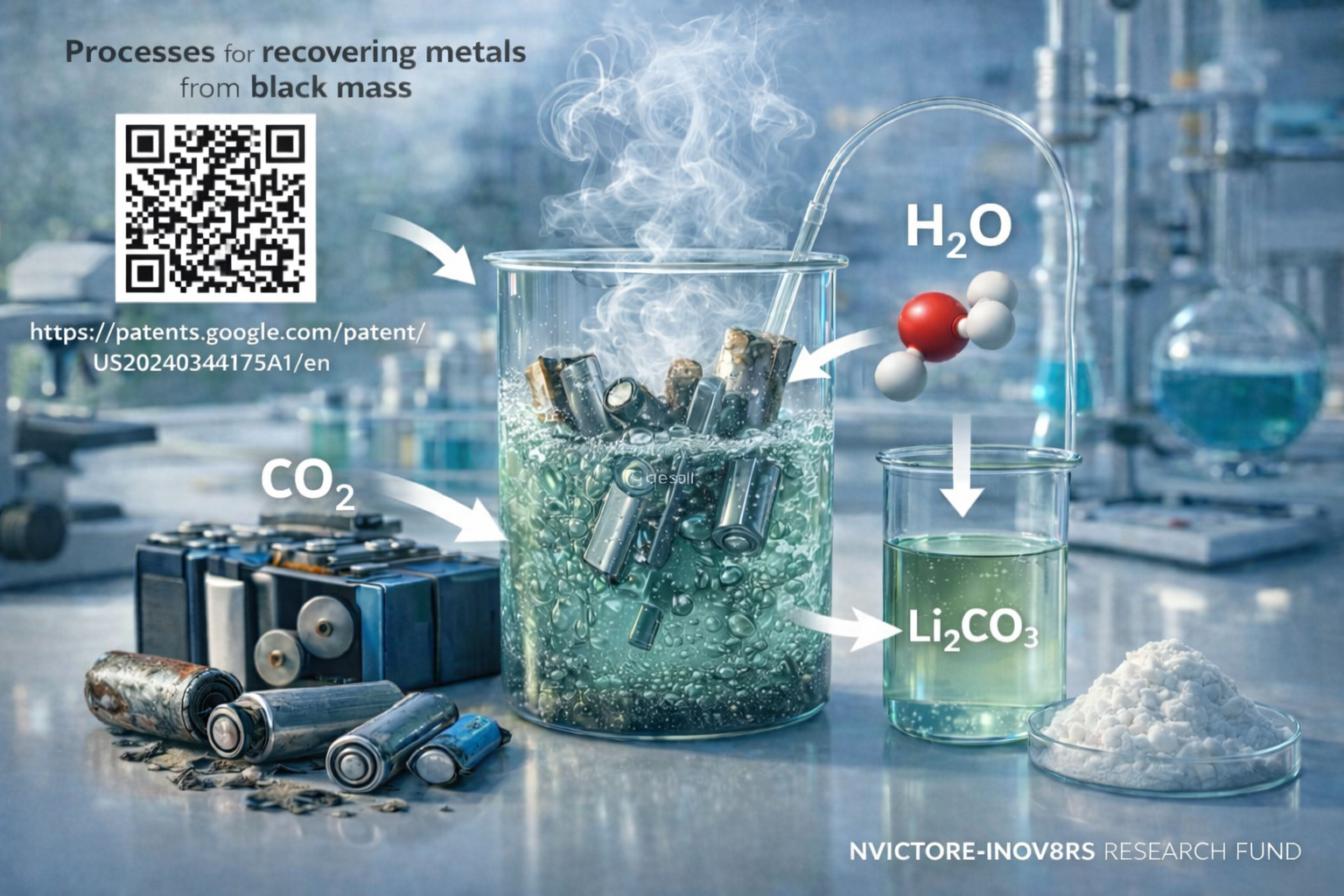
Chinese scientists have found a way to recycle lithium batteries using only carbon dioxide and water – eliminating the need for harsh, polluting chemicals to extract the lithium and upcycle cathode materials.
The team from the Chinese Academy of Sciences and Beijing Institute of Technology said they used a “three-in-one” strategy to improve lithium recovery, upgrade transition metals like cobalt and nickel, and sequester carbon to eliminate waste by-products.
Their method achieved a lithium leaching efficiency exceeding 95 per cent – comparable to traditional recycling methods that require corrosive chemicals and produce hazardous waste water.
“This approach not only provides an efficient pathway for lithium recovery but also upcycles spent cathode materials into valuable catalysts, supporting sustainable energy conversion technologies,” the team said in a paper published in the peer-reviewed journal Nature Communications on January 10.
A cathode is the positive electrode of a battery and can be made using metals like lithium, cobalt, nickel and manganese.
“Conducted under ambient conditions without additional grinding aids or leaching agents, this method minimizes environmental impact,” according to the scientists.
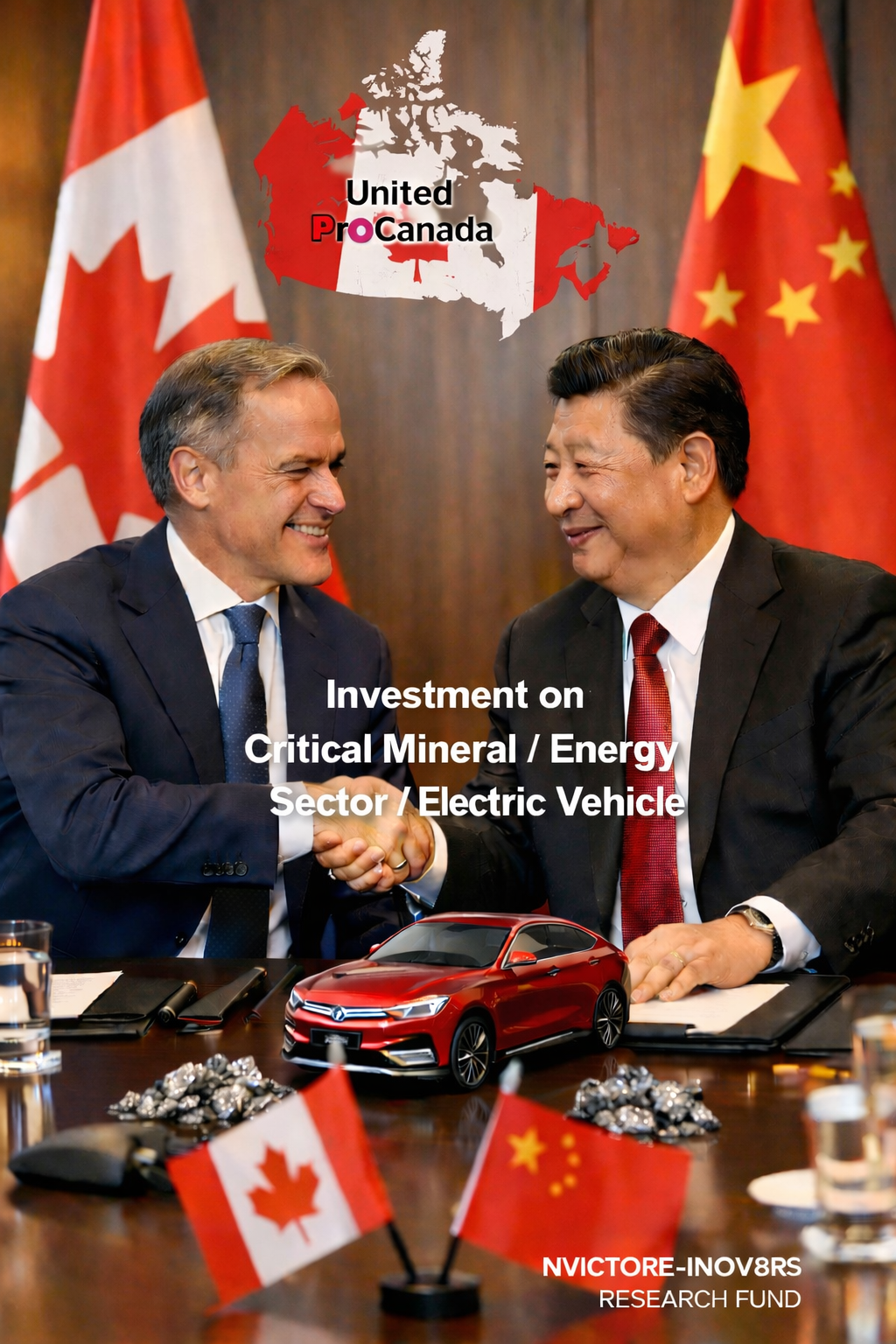
Economic ties with China are becoming increasingly significant for Carney. Upon arriving in Beijing on Wednesday, he engaged with senior executives from leading Chinese companies, including an electric vehicle battery manufacturer and an energy corporation.
In the deal struck on Friday, Canada will allow only 49,000 Chinese electric vehicles into the Canadian market at the 6.1% tariff rate.
The deal could also see more Chinese investments in Canada.
A new wave of innovation and technological revolution is still required in the Western World.
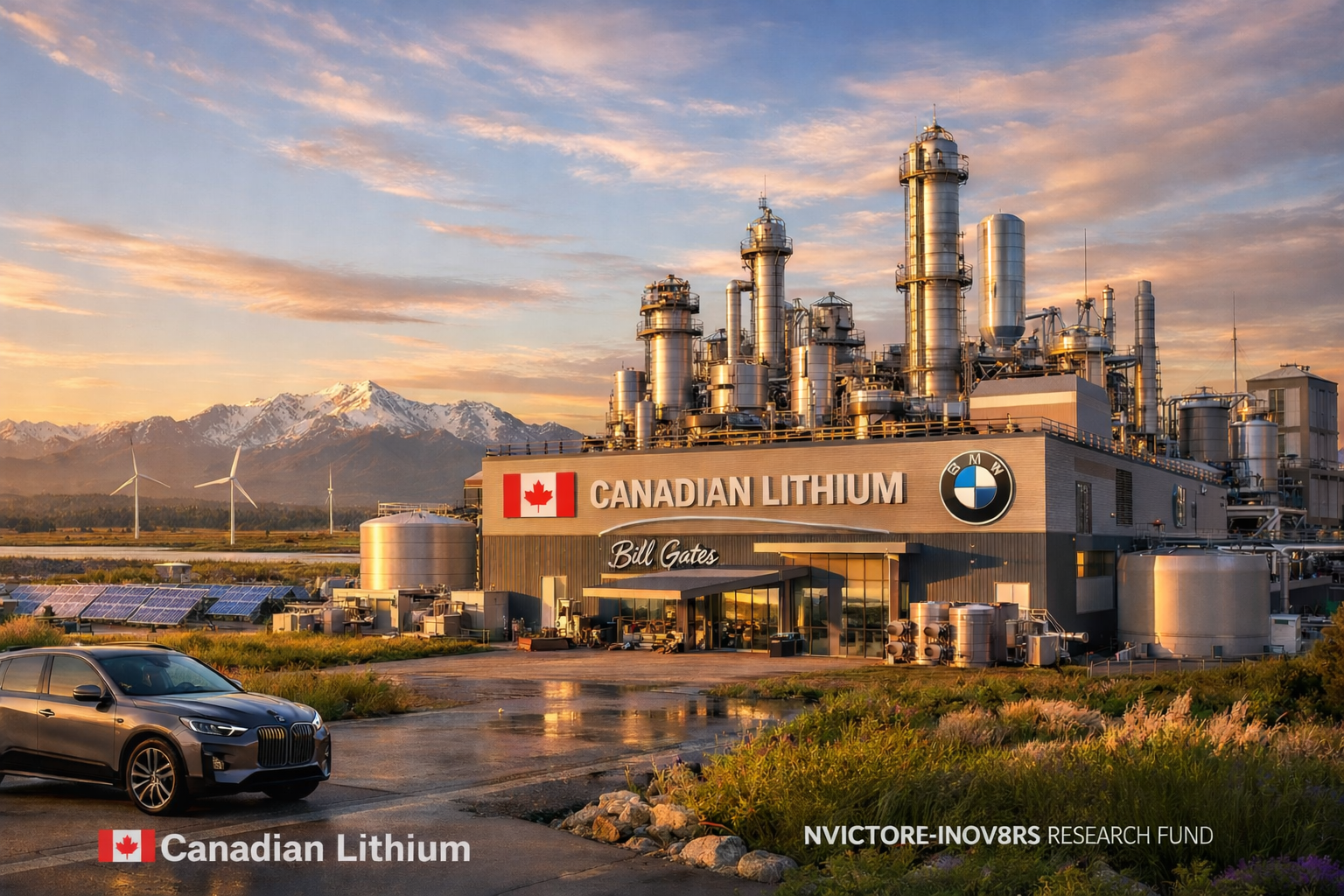
Lithium refiner Mangrove Water Technologies Inc. secured $85 million from the Canada Growth Fund, BMW AG’s i Ventures and Bill Gates-backed Breakthrough Energy LLC.
The “structured financing package” will support the company’s commercial facility in Delta, which neighbors the US border south of Vancouver. It will also help the firm move toward a second, much larger plant, which could contribute to powering half a million electric vehicles per year, Canada’s Finance Department said in a statement Thursday.
A new wave of innovation and technological revolution is still required in rare earth refining in the Western World.
The industry saw record funding in 2025 as the US looks to build out a supply chain of elements crucial to the defense and energy sectors.
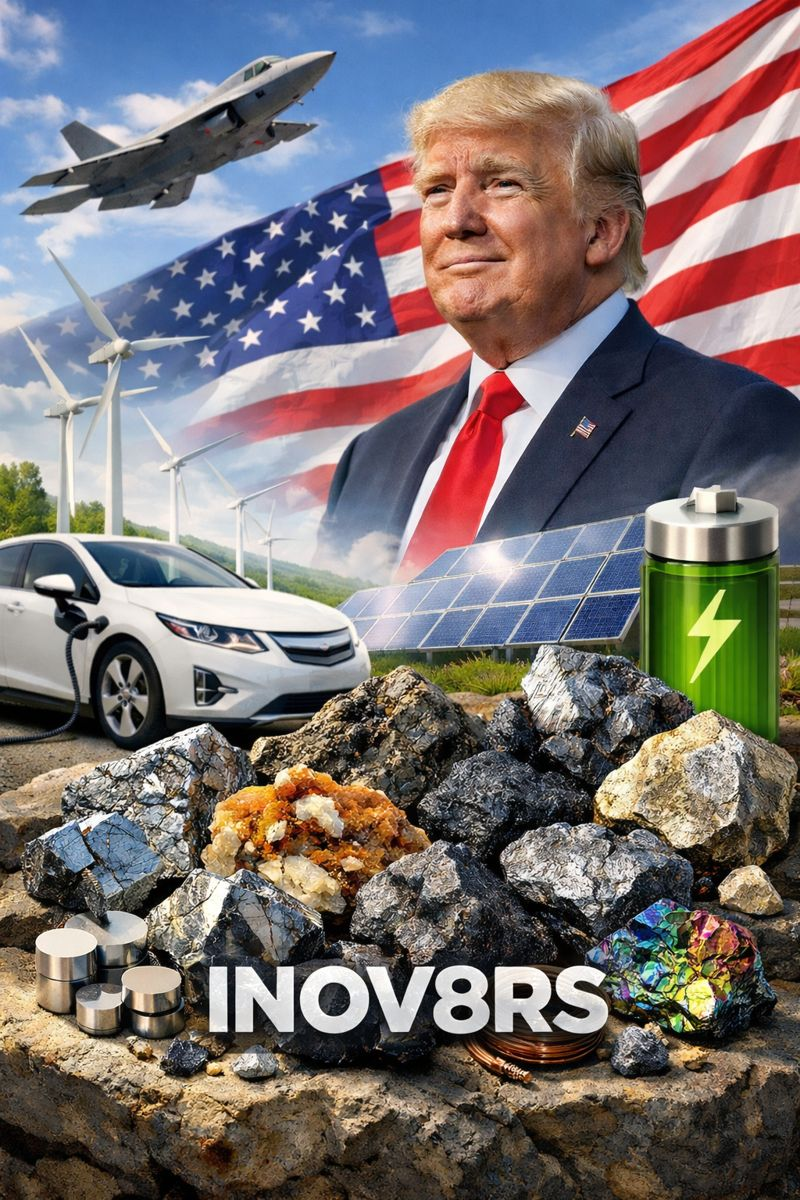
US President Donald Trump has vowed to cut into China’s overwhelming lead in producing critical minerals as part of his national security push, including a new supply chain proclamation on Wednesday. In response, investors are pouring a record amount of money into US startups, providing support to an industry that also plays a key role in the energy transition.
The minerals — a set of 17 metallic elements — are used in products ranging from smartphones and electric vehicles to fighter jets. China controls roughly 60% of the world’s rare earth mining output and more than 90% of the global refining capacity, according to an October report by the International Energy Agency. That leaves industries in the US exposed to potential supply shocks.
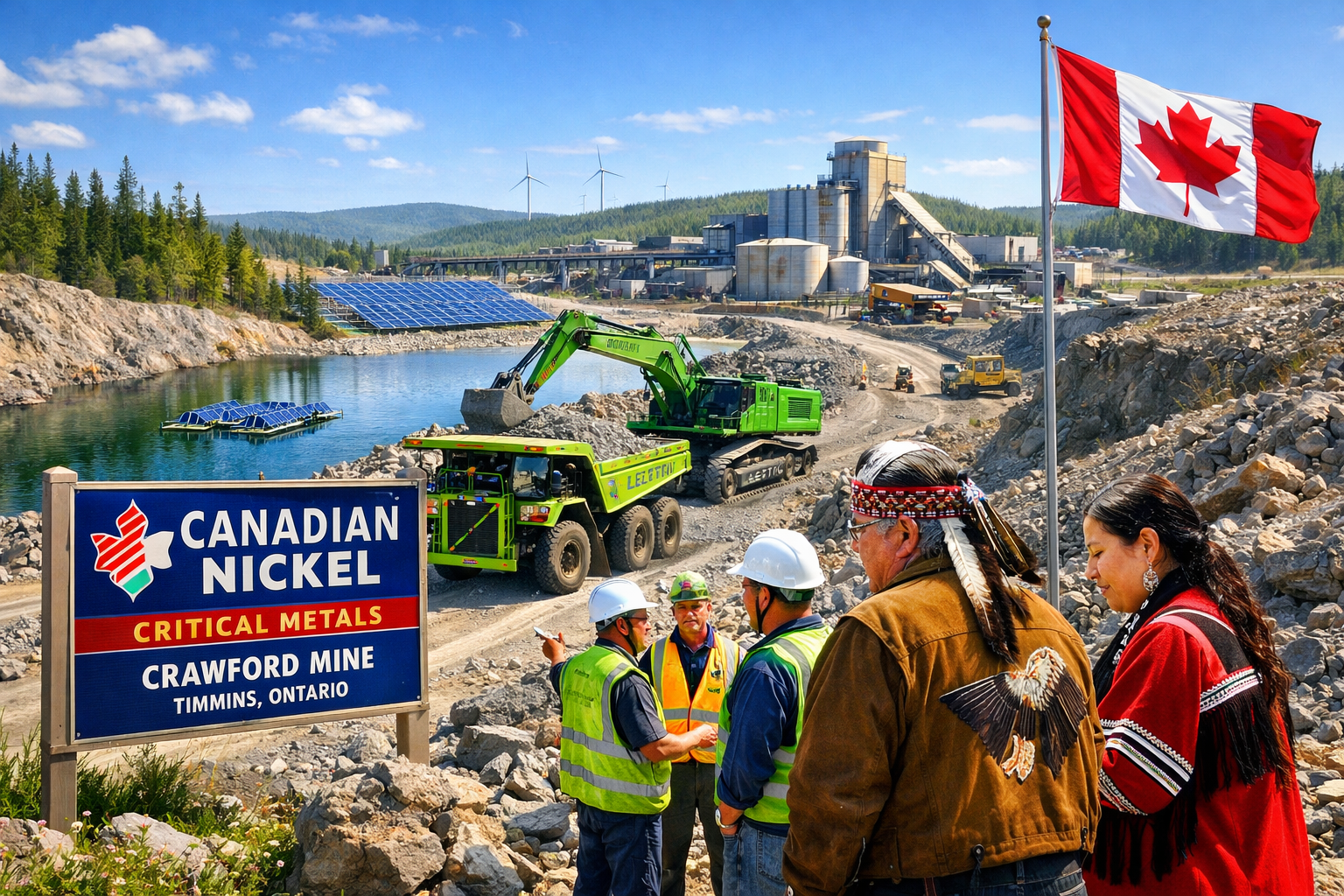
TIMMINS – Having the backing of the province is giving a Timmins nickel mine a push towards the finish line.
Ontario Energy and Mines Minister Stephen Lecce was in Timmins today (Jan. 13) to add Canada Nickel’s Crawford mine to the province’s One Project, One Process framework.
“Permitting certainty is a key thing for mining projects and today’s announcement crystalizes what the province has already been doing,” said Mark Selby, Canada Nickel CEO.
Being designated by the province gives Selby more certainty that they’ll meet the construction milestone of breaking ground by year-end. The aim is to open the mine by the end of 2028.
In November, the project was also referred to Canada’s Major Projects Office, making it the first to be endorsed federally and provincially.
What stands out for Lecce is that it’s shovel-ready.
“This is a pretty incredible turnaround. So we want to create jobs. We want to displace Chinese, dirty nickel in global markets with green nickel that is being produced here, among the cleanest nickel on Earth,” said Lecce.
The critical minerals are needed for aerospace and military projects, said Lecce.
“And this is a company that’s demonstrated a strong commitment to collaboration, both with First Nations and with community. So they have our full endorsement,” he said.
Crawford is Canada Nickel’s flagship project in the area that the company has coined as the Timmins nickel district. It’s the second-largest nickel reserve in the world and would be the only source of chromium in North America. It would also supply cobalt, platinum and palladium.
It has the potential to become the Western world’s largest nickel operation, said Selby.
Fears of China choking off exports of critical minerals to Japan amid a deepening political dispute have set off industry alarms and prompted Tokyo to elevate the issue at a G7 gathering of finance ministers this week, despite Beijing’s assurances that civilian trade would be spared.
Japanese Finance Minister Satsuki Katayama said last week that she would attend the Group of Seven event in Washington on Monday with the “risk of a rare-earth-supply interruption from China in mind”, the Tokyo-based Jiji Press reported. Officials from Canada, the United States and Australia were also expected to participate.
The inclusion of rare earths on the G7 agenda reflects heightened concern in Japan over China controlling exports of 17 rare earth elements that are crucial for Japan’s massive manufacturing sector, from consumer electronics to vehicles, according to analysts.
Although Japan has reduced its reliance on Chinese rare earths since 2010, when China stopped rare earth exports for two months following a vessel collision near disputed islets, it still depends heavily on Chinese supplies, as replacements take time, the experts said.
The Chinese State Council’s “Rare Earth Industry Development Plan (2021-2025)” establishes coordinated targets that explicitly connect mining output with downstream technology milestones. This policy framework differs from market-driven approaches where private investment decisions occur independently of government industrial planning.
Key coordination mechanisms include:
Research funding allocation aligned with five-year industrial development priorities
State-owned enterprise operations integrated with private sector innovation incentives
Regulatory environments designed to support domestic technology development clusters
University-industry partnerships with explicit commercialization mandates
Government research institutes, including Chinese Academy of Sciences divisions focused on materials science, receive dedicated funding for rare earth materials research aligned with broader industrial objectives. This creates predictable resource flows for long-term research projects while ensuring alignment between fundamental research and commercial applications.
The integration extends to environmental and regulatory considerations. Chinese facilities operate under different environmental compliance requirements compared to Western competitors, enabling cost structures that support both current operations and reinvestment in technology development. Additionally, these operations increasingly benefit from decarbonization benefits that enhance long-term competitiveness. This regulatory environment, combined with established supply chains and vertical integration advantages, creates compound benefits for innovation funding.
How Does China’s Patent Strategy Create Competitive Moats in Critical Technologies?
Intellectual Property Accumulation in Emerging Materials
China’s patent filing activity in rare earth materials significantly exceeds Western competitors, with China accounting for approximately 40-50% of global rare earth materials patents and higher percentages in emerging technology areas including nanomaterials and energy storage applications, according to World Intellectual Property Organization data from 2023.
Patent applications in rare earth nanomaterials and energy storage categories have grown at approximately 15-20% year-over-year in China between 2018-2023, while Western filing rates in equivalent categories have remained relatively flat or declined. This divergence reflects different strategic approaches to materials innovation and intellectual property development.
Focus areas for Chinese patent activity include:
Energy storage nanomaterials with enhanced conductivity and thermal stability
Magnetic separation processes optimizing cost structures and efficiency
Luminescent compounds for specialized optical and sensor applications
Advanced alloy compositions targeting aerospace and electronics sectors
Consequently, organizations must develop comprehensive IP protection strategies to safeguard their technological advantages in this competitive landscape.
Research Institution Networks and Knowledge Transfer
Chinese university-industry collaboration operates under different structural incentives compared to Western academic systems. Chinese institutions receive explicit mandates to commercialize research findings, supported by government incentive structures that reward technology transfer activities. This contrasts with Western university systems where commercialization typically occurs post-publication through licensing offices, creating longer development timelines.
WASHINGTON, Jan 11 (Reuters) – U.S. Treasury Secretary Scott Bessent will urge Group of Seven nations and others to step up their efforts to reduce reliance on critical minerals from China when he hosts a dozen top finance officials on Monday, a senior U.S. official said.
The meeting, which kicks off with a dinner on Sunday evening, will include finance ministers or cabinet ministers from the G7 advanced economies, the European Union, Australia, India, South Korea and Mexico, said the official who was not authorized to speak publicly.
Together, the grouping accounts for 60% of global demand for critical minerals.
“Urgency is the theme of the day. It’s a very big undertaking. There’s a lot of different angles, a lot of different countries involved and we really just need to move faster,” the official said.
According to a Mysteel survey, the 60,000-tonne-per-year nickel sulfate project of Jilin Jien Nickel Industry Co., Ltd. officially commenced production on December 31, 2025. Located in the Panshi Metallurgical and Chemical New Materials Industrial Park, the project represents a total investment of Yuan 1.279 billion. It covers a site area of 160,570 square meters with a total building area of 96,500 square meters. The primary construction includes a main production line with an annual capacity of 60,000 tonnes of nickel sulfate, along with supporting public and auxiliary facilities.
The project is being implemented in two phases. The first phase, with a capacity of 30,000 tonnes per year, utilizes high-grade nickel matte as its raw material. The second phase, also with a capacity of 30,000 tonnes per year, will use nickel-cobalt hydroxide as feedstock. Upon full completion, the project’s total designed output will reach an annual production of 60,000 tonnes of nickel sulfate, 3,658 tonnes of cobalt sulfate, and 3,600 tonnes of manganese sulfate.











 A Blog for Browsing Mining, Mineral Processing, and Metals Info