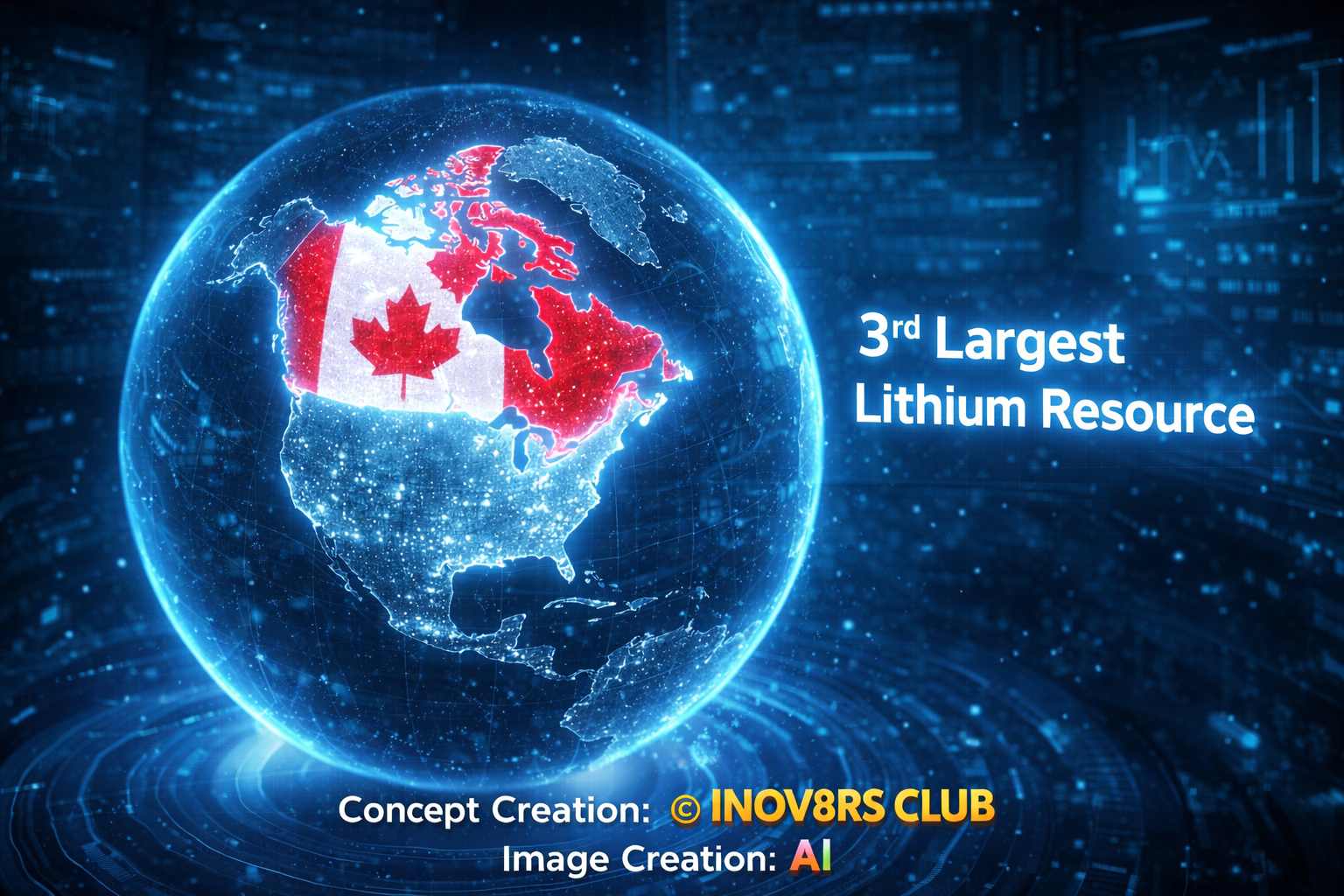
#Lithium processing innovation is paving the way for a clean energy economic boom in #Alberta



Indonesia’s sweeping nickel downstreaming policy, launched in 2020, is entering a more consequential phase. Having successfully halted raw ore exports, the government is now preparing to deploy a more assertive instrument: an additional export levy on processed nickel products.
Energy and Mineral Resources Minister Bahlil Lahadalia, who also oversees investment, has made clear that the move is not merely about boosting state revenue but about navigating mounting global economic uncertainty and growing saturation in the base metals market.
The proposal is a direct response to the oversupply of lower-grade nickel products — such as nickel pig iron and ferronickel — which have flooded global markets from Indonesia’s rapidly expanding smelting sector.
This glut has depressed international nickel prices, eroding royalties and state income. From a mining economics perspective, the policy represents a large-scale market correction aimed at safeguarding the value of Indonesia’s strategic resources from being undervalued internationally.
The levy will target nickel derivatives produced through pyrometallurgical processes, particularly nickel pig iron and ferronickel, whose nickel content remains relatively low to mid-range.
Read more at: https://asiatimes.com/2026/04/indonesia-bets-on-nickel-levy-to-break-its-china-habit/

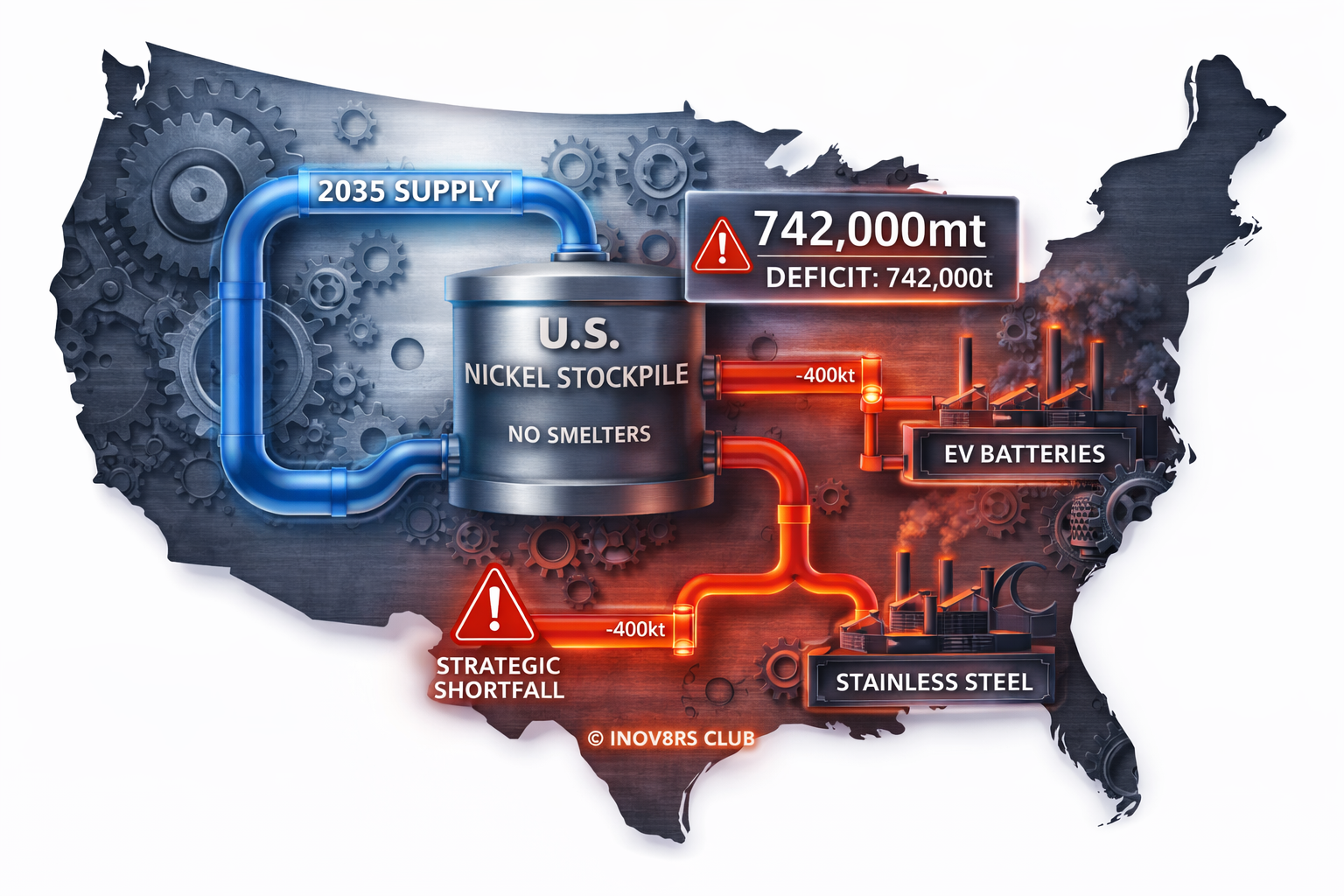
The United States currently operates no domestic nickel smelters, leaving North America entirely reliant on just two remaining pyrometallurgical facilities in Canada.
Compounding this critical supply chain vulnerability, a recent report by the Carnegie Endowment for International Peace projects that the US will face a massive annual nickel deficit of approximately 741,987 tonnes by 2035.
To address this severe shortfall, awaruite (a naturally occurring nickel-iron alloy) is emerging as a strategic solution. Because awaruite concentrate can bypass traditional smelting and be directly converted into nickel sulfate, it is favorably positioned to qualify for the US Section 45X Advanced Manufacturing Production Credit, helping to secure domestic defense and EV battery supply chains.

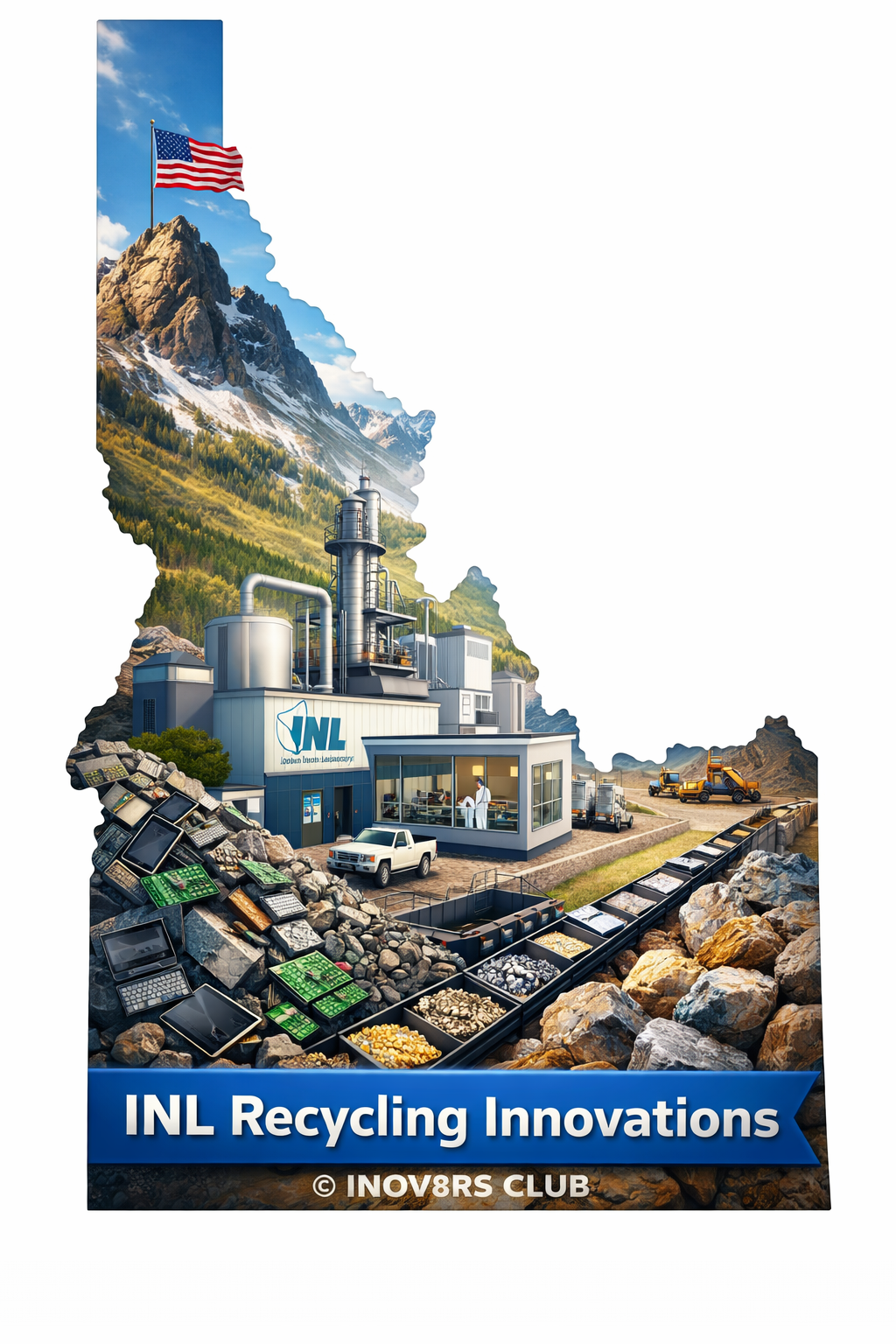
The critical materials in discarded rocks, e-waste and other sources don’t degrade over time and can be recovered. However, the U.S. lacks the infrastructure to recycle them.
Recycling facilities could tap into these largely untouched sources, helping meet U.S. demand. These facilities could be built far more quickly than new mines, which can take over a decade due to permitting, costs and infrastructure needs.
“The U.S. doesn’t recycle well,” said Bob Fox, a senior manager at INL. “There’s a willingness to recover critical materials from recycled sources, but there’s no infrastructure or market for it. Right now, critical materials recycling doesn’t have the economic incentives to drive infrastructure development.”
INL is working to change that by making recycling more efficient, less energy-intensive and economically viable.
“Recycling represents a crucial pathway for the U.S. to obtain critical materials, including rare earth elements like dysprosium,” said Arindam Mukhopadhyay, a staff scientist at INL. “Even critical materials we mine domestically, such as lithium, cobalt, nickel and manganese, can be recovered through recycling.”
Read more at: https://inl.gov/feature-story/idaho-researchers-advance-critical-materials-recycling-technologies/

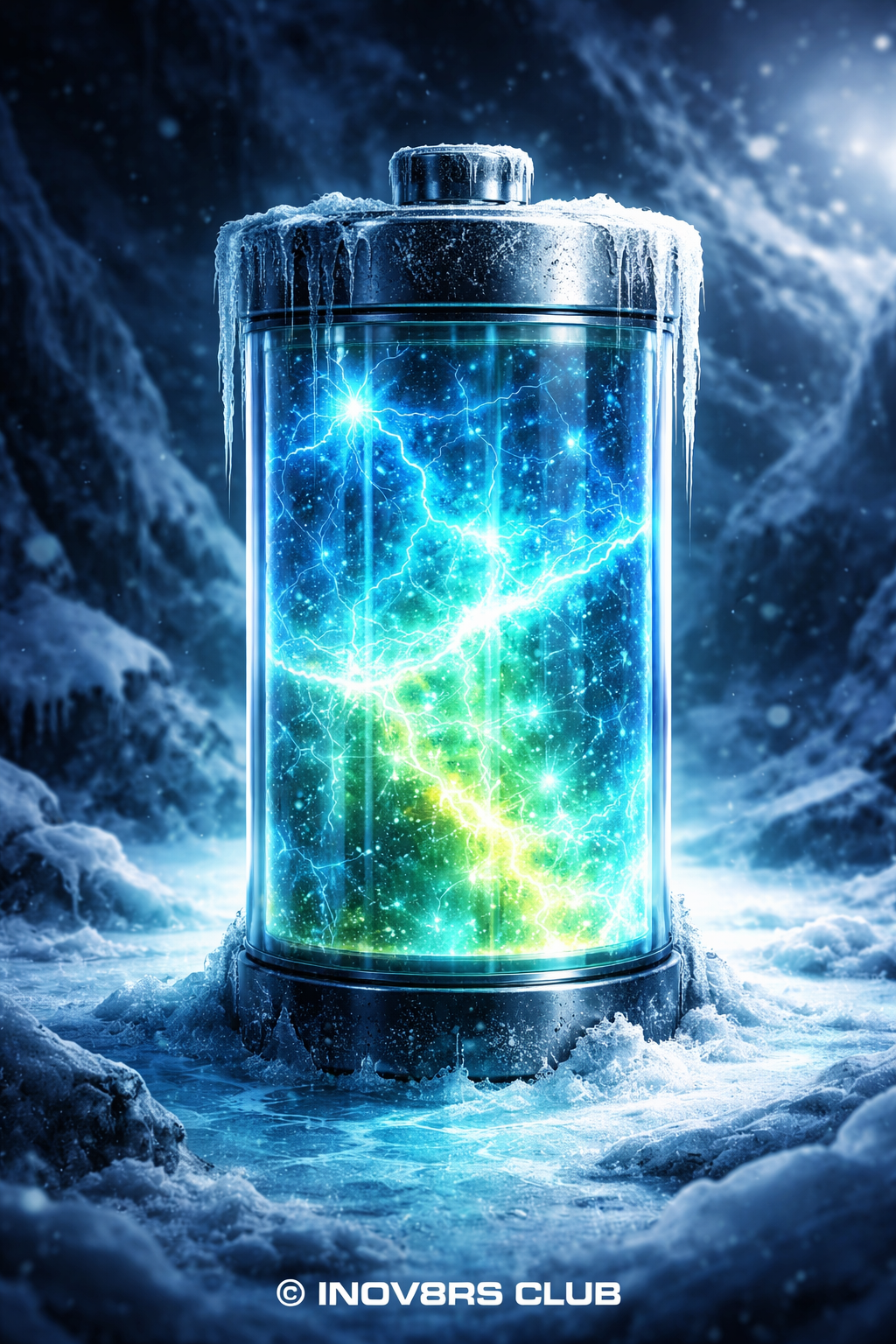
Chinese scientists have created an all-weather electrolyte that could improve lithium batteries, allowing them to operate more efficiently at room temperature and in extreme environments.
The research team from Shanghai and Tianjin said batteries made using the hydrofluorocarbon-based electrolyte had more than double the energy density of those made with traditional electrolytes when operating at room temperature.
They said the batteries could also operate efficiently at minus 70 degrees Celsius (minus 94 degrees Fahrenheit).
Electrolytes are chemical media that enable the transport of ions between the positive and negative electrodes in a battery.
For the past few decades, conventional lithium-based battery electrolytes have mainly been composed of oxygen and nitrogen-based compounds due to their effectiveness in dissolving lithium salts, the team said.
However, these electrolytes have limited charge transfer capabilities, leading to challenges in fast charging or low-temperature performance that limit efficiency and can lead to safety concerns.
The researchers from Nankai University and SISP – which is affiliated with the China Aerospace Science and Technology Corporation – found a way to synthesise fluorine-based electrolytes for lithium-metal batteries, which offer reduced viscosity, improved stability and better low-temperature performance.
Using one of their fabricated hydrogen, fluorine and carbon-based electrolytes, the team created lithium-metal pouch batteries with an energy density of more than 700 watt-hours per kilogram at room temperature and 400 watt-hours per kilogram at minus 50 degrees.


Congo’s exports to China are already due to benefit from duty-free access to China from May 1 under an initiative covering 53 African countries.
The new agreement sets out cooperation on geological data sharing, investment protection and the promotion of local processing of raw materials in Congo, according to the Congolese government statement published late on Thursday.
It also includes a monitoring mechanism to ensure projects comply with Congolese law and are implemented in a stable and transparent investment environment.
Read more at: https://www.reuters.com/world/africa/congo-china-deepen-mining-ties-us-pushes-rival-minerals-pact-2026-03-27/

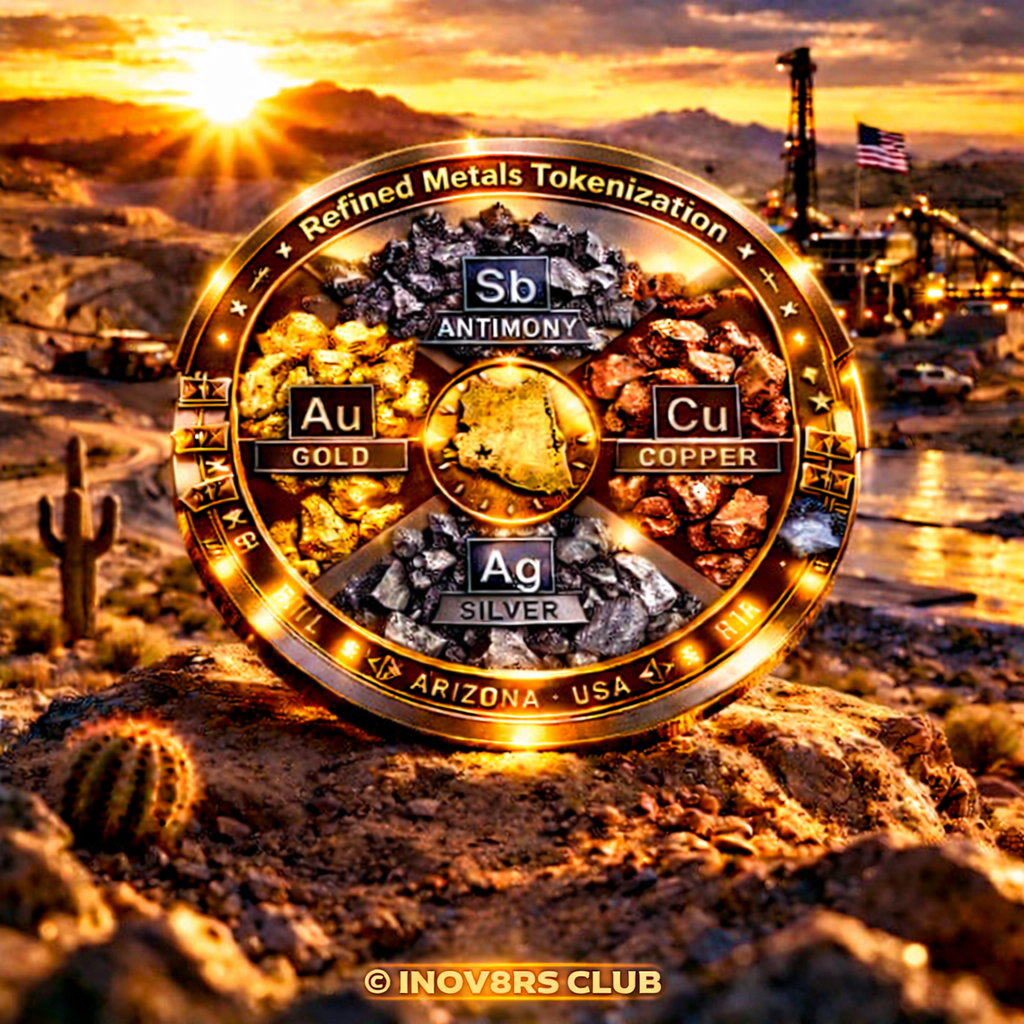
Datavault AI (DVLT) said Thursday it has partnered with American Strategic Minerals to develop and monetize one of the latter’s resource extraction projects in Arizona through a $78.2 million digital tokenization initiative.
Under the agreement, American Strategic will receive up to $68.8 million, while Datavault AI may earn up to a 20% equity stake in the company upon meeting performance milestones under the tokenization program.
Datavault AI said antimony will be the first element tokenized, followed by gold, copper and silver. The initial phase will cover about 5% of the project’s antimony resource through the ASMI Antimony 1 Token.
The partnership sets the stage for the launch of an International Elements Exchange, the company added.

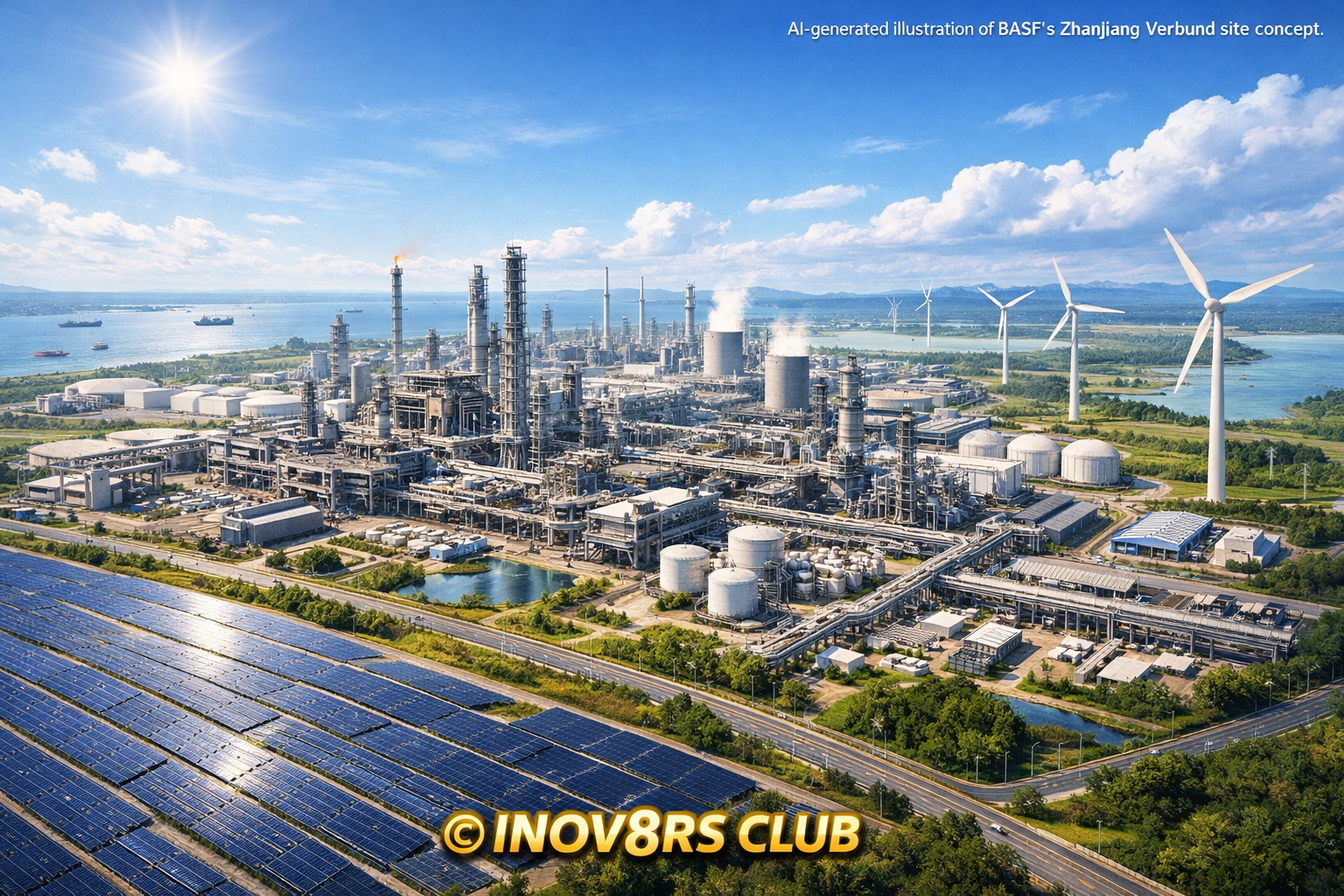
German chemical giant opens US$10 billion Zhanjiang complex, its largest overseas investment, as Beijing courts foreign capital.
Germany’s chemical giant BASF has launched operations at its China production base – its largest overseas investment to date – with a total outlay of €8.7 billion (US$10 billion), and the country’s first wholly foreign-owned large-scale Verbund site.
The company on Thursday inaugurated the world-scale complex in Zhanjiang, Guangdong province, designed to run entirely on renewable electricity.
A Verbund site is an integrated chemical complex where plants, energy use and materials are interconnected to maximise efficiency and minimise waste.
The site has brought 18 plants and 32 production lines into operation, producing more than 70 types of products spanning basic chemicals, intermediates and specialty chemicals for industries including transport, consumer goods, electronics, home care and personal care.
Read more at: https://www.scmp.com/business/article/3348021/basf-launches-biggest-overseas-project-china-green-powered-mega-site

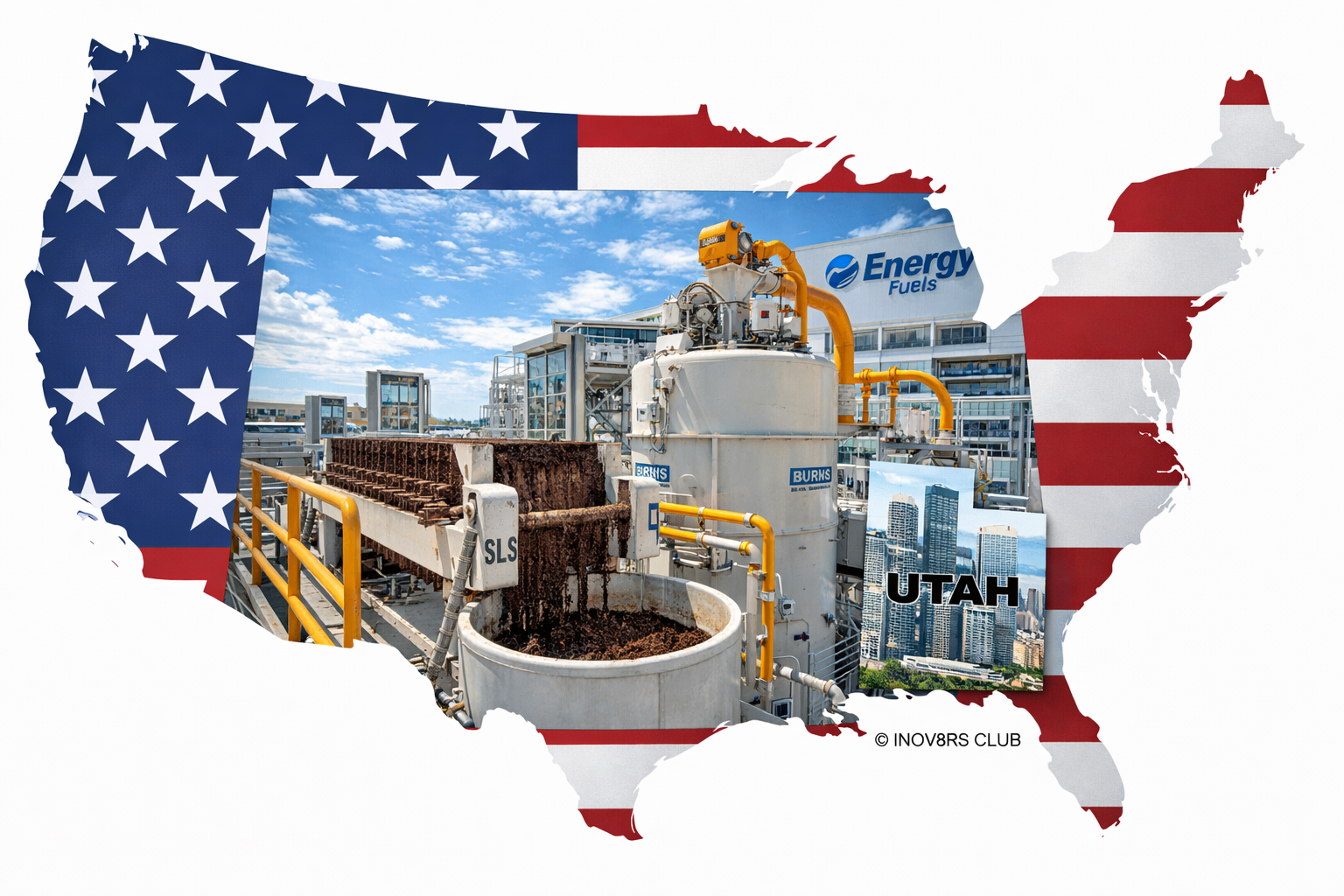
Energy Fuels Inc. produced a so-called heavy rare earth element for the first time at its plant in Utah, advancing efforts to build a domestic supply of critical minerals used in electronics and defense technology.
The US company said on 24th March 2026 that it successfully recovered its first kilogram of terbium oxide at the White Mesa Mill as part of a pilot project to scale production at the facility, which predominantly processes uranium.
Terbium — a heavy rare earth element — is essential to building magnets that support consumer electronics, cars and military-grade weaponry. Heavy rare earths are less abundant and typically more valuable than “light” elements such as neodymium-praseodymium. Mining companies like Energy Fuels are pushing to scale production of these metals through facilities in the US as part of the United States effort to create a supply chain that circumvents China.
Read more at: https://www.bloomberg.com/news/articles/2026-03-25/energy-fuels-produces-key-heavy-rare-earth-metal-at-utah-mill

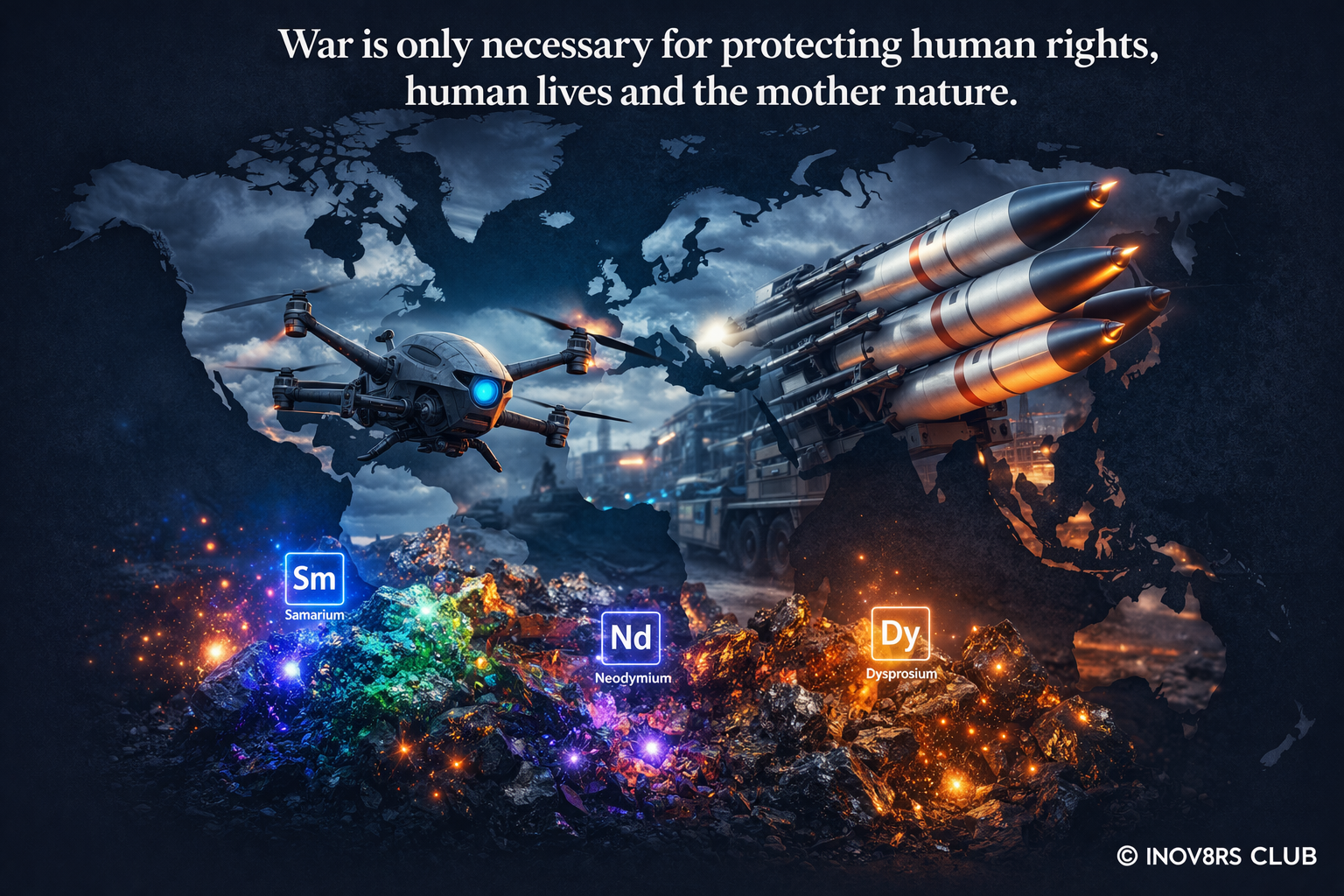
“You can’t fight a twenty-first-century war with twentieth-century supply chains”. “Modern weapons rely on materials that are difficult to source, difficult to process, and difficult to replace once inventories begin to tighten.”
Reports from the South China Morning Post and Reuters indicate Washington could have only weeks or months of certain rare-earth inventories available for defense manufacturing if supply disruptions deepen.
Rare earth elements are embedded throughout modern military systems—from missile guidance and drone propulsion to radar systems and fighter aircraft electronics.
Note: War is only necessary for protecting human rights, human lives and the nature.
Read more at: https://finance.yahoo.com/sectors/energy/articles/chinese-publication-claims-u-two-014600091.html

 A Blog for Browsing Mining, Mineral Processing, and Metals Info